
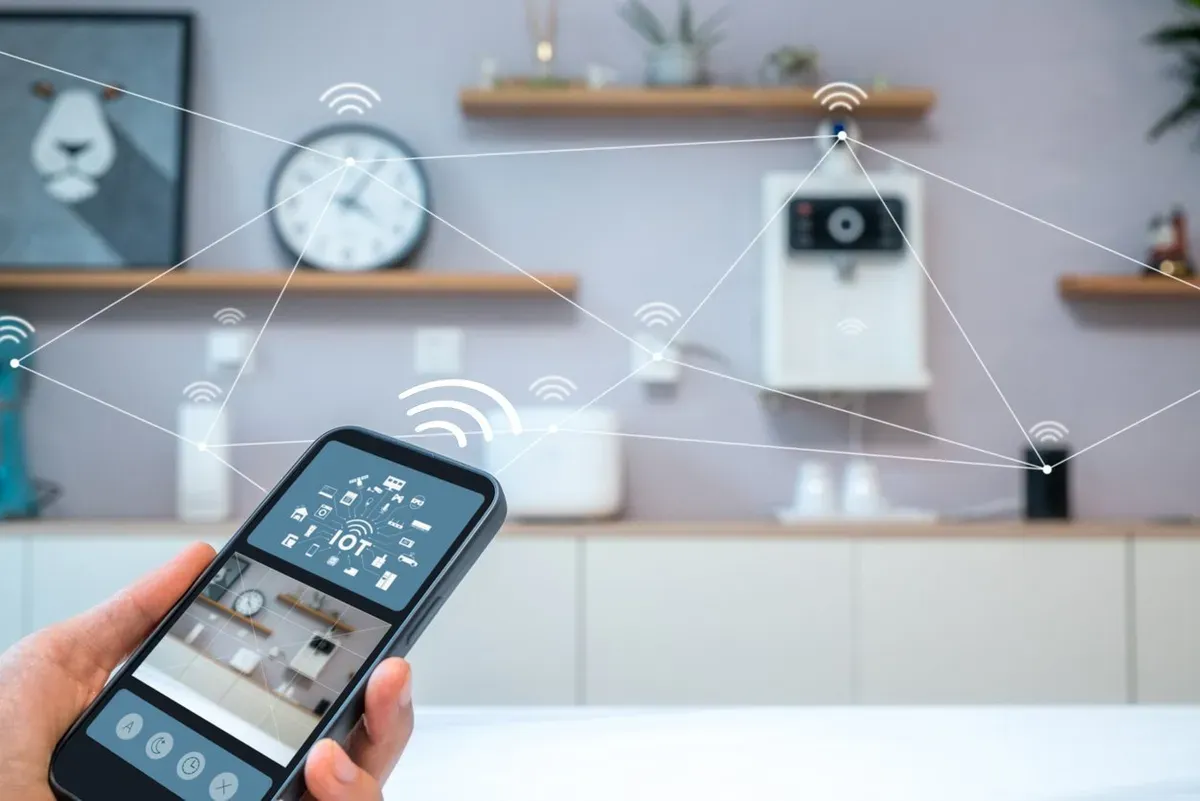
Smart devices and IoT India are rapidly transforming the way people live, work, and interact with technology. From intelligent home appliances to industrial automation, the Internet of Things (IoT) is becoming an integral part of daily life. India’s growing tech ecosystem and expanding internet penetration have accelerated the adoption of connected devices, making them accessible to millions of users across urban and semi-urban areas.
The combination of affordable smart devices, cloud computing, and mobile connectivity is creating an environment where IoT applications can thrive. Businesses and households are leveraging these technologies for improved efficiency, convenience, and innovation, positioning India as a key player in the global IoT landscape.
The Rise of Smart Devices and IoT India
The surge in smart devices and IoT India can be attributed to several factors, including affordable internet, government initiatives like Digital India, and the proliferation of smartphones. Consumers are increasingly adopting smart home solutions such as connected lighting, thermostats, security cameras, and voice assistants.
On the industrial front, IoT adoption is enabling predictive maintenance, supply chain optimization, and real-time monitoring. Companies are integrating sensors and connected devices into their operations, allowing data-driven decision-making and improved operational efficiency.
Smart Homes and Consumer IoT
One of the most visible areas of smart devices and IoT India is smart home technology. Homeowners are adopting IoT-enabled devices to enhance convenience, security, and energy efficiency.
For instance, smart security systems allow users to monitor their homes remotely through mobile apps. Voice-controlled assistants manage lighting, temperature, and entertainment, while IoT-enabled appliances optimize power consumption. Companies like Xiaomi, Amazon, and Samsung are leading the Indian market with affordable, high-quality smart home solutions, making these technologies accessible to a broader audience.
Industrial IoT and Business Applications
In the enterprise sector, smart devices and IoT India are creating opportunities for efficiency and innovation. Manufacturing plants are integrating sensors to monitor machinery, reducing downtime through predictive maintenance.
Logistics and supply chain companies use IoT-enabled tracking devices for real-time monitoring of goods, ensuring timely deliveries and minimizing losses. Retailers leverage IoT analytics to understand consumer behavior, manage inventory, and personalize services. These applications demonstrate how IoT is transforming India’s industrial and commercial landscape.
Healthcare and IoT in India
Healthcare is another sector benefiting from smart devices and IoT India. Hospitals are using connected devices to monitor patient vitals, track equipment, and improve workflow efficiency. Remote patient monitoring allows doctors to provide timely care, even in rural regions.
Wearable devices such as smartwatches and fitness trackers collect health data, providing insights into sleep patterns, heart rate, and activity levels. These devices empower individuals to manage their health proactively while enabling healthcare providers to make data-driven decisions for better patient outcomes.
Smart Cities and Public Infrastructure
Government initiatives are leveraging smart devices and IoT India to develop smart cities. IoT technologies are applied in traffic management, waste management, energy efficiency, and public safety.
Connected sensors in streetlights, water supply systems, and transportation networks improve resource utilization and enhance citizen services. The Smart Cities Mission in India has demonstrated how IoT infrastructure can contribute to sustainable urban development, benefiting both citizens and municipal authorities.
Challenges in IoT Adoption
Despite the rapid growth of smart devices and IoT India, several challenges remain. Data security and privacy concerns are critical as more devices collect and transmit personal and business data. Interoperability issues, lack of standardized protocols, and network reliability can hinder seamless IoT deployment.
Additionally, the need for skilled professionals in IoT development, data analysis, and cybersecurity is growing. Companies and governments must address these challenges through robust cybersecurity measures, employee training, and collaborative ecosystems to ensure sustainable growth.
Future Prospects of Smart Devices and IoT in India
The future of smart devices and IoT India is promising. Advancements in AI, 5G networks, and edge computing will enable faster, smarter, and more responsive IoT applications. From autonomous vehicles to AI-powered industrial robots, IoT technologies will continue to reshape India’s economy and daily life.
India is poised to become a global hub for IoT innovation, with startups, established technology companies, and government initiatives collaborating to develop cutting-edge solutions. As awareness and adoption increase, IoT will expand into sectors such as agriculture, education, and transportation, driving efficiency and convenience nationwide.
Read also: