
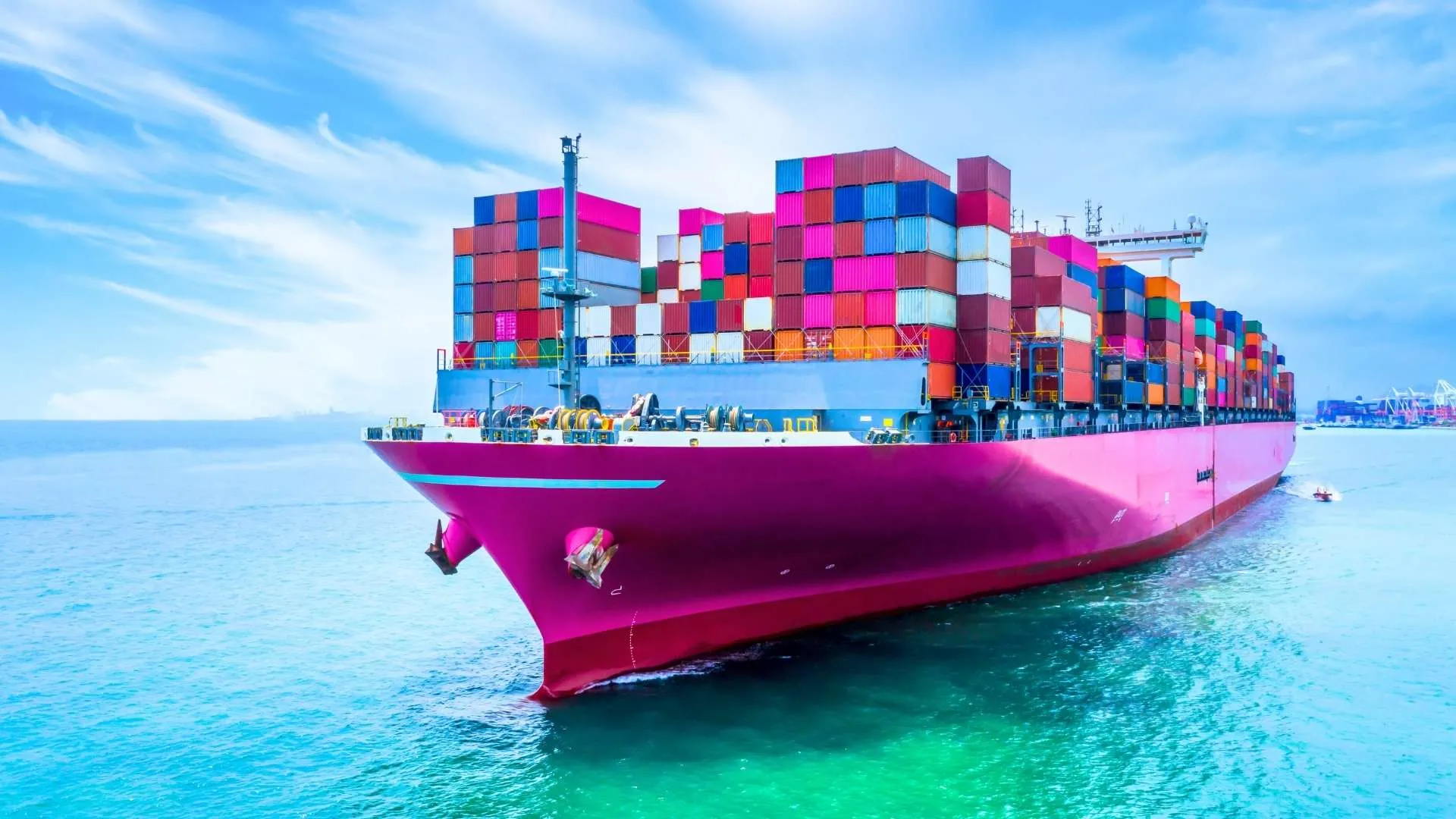
shipping delay analytics is no longer a niche concept reserved for global logistics giants. It has become a critical capability for businesses that rely on timely deliveries, transparent communication, and customer trust. In a world shaped by e-commerce growth, supply chain volatility, and rising customer expectations, understanding why shipments arrive late is just as important as moving them fast.
What once felt like unpredictable chaos can now be measured, analyzed, and anticipated. With the right data and analytical frameworks, delays stop being surprises and start becoming solvable problems.
Table of Contents
ToggleWhy shipping delays have become a business risk
Delays were once tolerated as part of logistics reality. Today, they are viewed as service failures. shipping delay analytics helps organizations understand how late deliveries affect brand perception, refund rates, and long-term customer loyalty.
Customers expect transparency. When delays happen without explanation, trust erodes. Businesses that fail to understand delay patterns often repeat the same mistakes, compounding dissatisfaction and operational costs.
Shipping delays are no longer operational issues alone. They are business risks.
Understanding the real causes behind delays
Many delays are blamed on vague external factors, but shipping delay analytics uncovers deeper patterns. Weather disruptions, carrier capacity limits, customs clearance bottlenecks, warehouse inefficiencies, and inaccurate delivery promises all leave measurable data trails.
When these factors are analyzed together, they reveal recurring root causes. Patterns emerge across routes, regions, carriers, and seasons. Without analytics, these insights remain hidden beneath surface-level assumptions.
Clarity begins with data.
How data transforms delay management
Raw shipment data means little without interpretation. shipping delay analytics transforms timestamps, transit updates, and exception logs into actionable intelligence.
Instead of reacting to delays after they happen, businesses learn to predict where and when they are most likely to occur. This shift from reactive to proactive logistics management changes how teams plan inventory, communicate with customers, and negotiate with carriers.
Prediction replaces panic.
shipping delay analytics in real operational environments
In real-world logistics, shipping delay analytics often reveals unexpected truths. A regional distributor once assumed delays were caused by drivers. Data showed the real issue was late warehouse dispatch times during peak hours.
By adjusting staffing schedules, delays dropped significantly within weeks. Without analytics, the organization would have continued addressing the wrong problem.
Evidence leads to effective solutions.
The role of historical shipment data
Historical data is the backbone of shipping delay analytics. Past delivery performance provides context that real-time tracking alone cannot.
Analyzing historical trends reveals seasonal spikes, route-specific risks, and recurring carrier performance issues. Over time, these insights improve forecasting accuracy and strengthen decision-making across operations and customer service teams.
History informs strategy.
Predictive modeling and early warning signals
Advanced shipping delay analytics uses predictive modeling to generate early warning signals. When current shipments resemble past delayed scenarios, alerts are triggered before problems escalate.
This allows teams to reroute shipments, adjust delivery promises, or notify customers proactively. Predictive insights transform logistics from damage control into risk prevention.
Forewarning creates resilience.
Improving customer communication through insights
Customers value honesty more than perfection. shipping delay analytics enables businesses to communicate delays with confidence and clarity.
When customer service teams understand the cause and expected duration of a delay, conversations shift from apologies to explanations. This transparency strengthens trust even when delivery timelines slip.
Information improves experience.
Carrier performance evaluation through analytics
Not all carriers perform equally under different conditions. shipping delay analytics provides objective metrics to evaluate carrier reliability across routes and seasons.
Instead of relying on anecdotal feedback, businesses use data to negotiate contracts, allocate volumes, and set realistic expectations. Performance-based decisions replace guesswork.
Accountability drives improvement.
shipping delay analytics and inventory planning
Inventory decisions are closely tied to delivery reliability. shipping delay analytics informs safety stock levels, reorder points, and distribution strategies.
When delays are predictable, inventory buffers can be optimized instead of inflated. This reduces carrying costs while maintaining service levels.
Predictability supports efficiency.
Reducing financial impact of delays
Delays have direct financial consequences. Expedited shipping, refunds, lost sales, and penalty clauses all add up. shipping delay analytics helps quantify these costs and identify where investments yield the greatest return.
By addressing high-impact delay drivers first, businesses maximize cost savings while improving service quality.
Insight protects margins.
Cross-team alignment using shared data
Logistics, customer support, procurement, and leadership often operate in silos. shipping delay analytics creates a shared source of truth that aligns these teams.
When everyone sees the same data, discussions become fact-based rather than opinion-driven. This alignment accelerates decision-making and reduces internal friction.
Shared insight builds cohesion.
Building trust with data-backed delivery promises
Overpromising delivery timelines damages credibility. shipping delay analytics enables businesses to set realistic delivery expectations based on actual performance data.
Accurate promises reduce customer frustration and support long-term loyalty. Trust grows when delivery commitments consistently match reality.
Reliability becomes a brand asset.
The impact on last-mile delivery
The last mile is often the most unpredictable phase of shipping. shipping delay analytics highlights how local factors like traffic patterns, delivery density, and time windows affect final delivery outcomes.
By understanding these variables, companies refine routing strategies and improve last-mile performance without increasing costs.
Precision improves reliability.
Leveraging real-time data streams
Real-time tracking enhances shipping delay analytics by adding immediacy to historical insight. Live updates allow teams to monitor deviations as they happen while contextualizing them within broader trends.
This combination of real-time and historical data creates a dynamic decision environment where actions are informed, timely, and relevant.
Speed meets intelligence.
Trustworthiness and data accuracy
EEAT principles emphasize trust, and shipping delay analytics depends heavily on data quality. Inaccurate timestamps or incomplete carrier updates undermine analysis and decision-making.
Organizations that invest in clean data pipelines and validation processes gain more reliable insights and stronger stakeholder confidence.
Accuracy sustains authority.
Ethical and responsible data usage
Using shipping delay analytics responsibly matters. Customer data, location information, and shipment details must be handled securely and ethically.
Transparent data policies and compliance with regulations protect both customers and organizations. Ethical practices reinforce long-term trust and credibility.
Responsibility supports sustainability.
Scalability for growing businesses
As businesses grow, shipping complexity increases. shipping delay analytics scales alongside operations, adapting to higher volumes, new markets, and diverse carrier networks.
What begins as a simple delay report evolves into a strategic intelligence system that supports expansion without chaos.
Scalability ensures continuity.
Competitive advantage through insight
Companies that master shipping delay analytics gain a competitive edge. Faster issue resolution, better communication, and more reliable delivery differentiate them in crowded markets.
Customers notice consistency. Competitors struggle to match it without similar analytical capabilities.
Insight becomes differentiation.
Future evolution of delay analytics
The future of shipping delay analytics lies in deeper automation and smarter prediction. Machine learning models will continuously refine themselves as more data becomes available.
As analytics tools evolve, delay prevention will become increasingly precise, reducing uncertainty across global supply chains.
Intelligence drives resilience.
shipping delay analytics has transformed how modern businesses understand and manage delivery performance. By converting uncertainty into insight, it empowers organizations to anticipate risks, protect customer trust, and operate with confidence in an unpredictable logistics landscape.
Read also:
prr number tracking
shipment redirected on same awb
tirupati courier tracking shipway
prr status tracking