
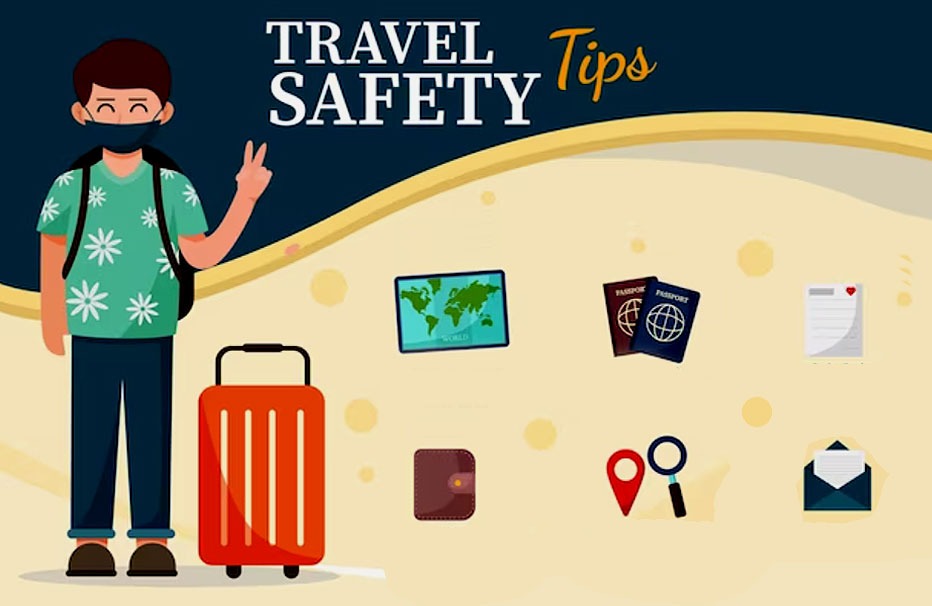
Travel safety guidelines serve as the foundation of any successful journey, allowing explorers to immerse themselves in new cultures without falling prey to avoidable risks. I remember my first solo trip to a bustling market in Marrakesh. The air was thick with the scent of cumin and grilled meats, and the vibrant colors of hand-woven rugs were intoxicating. In my excitement, I forgot the most basic rule of keeping my bag zipped and close to my chest. Within minutes, I realized my wallet was gone. That moment of panic taught me that no matter how seasoned a traveler you think you are, a lack of preparation can turn a dream vacation into a stressful ordeal in an instant.
The world is an incredible place filled with kindness, but it also requires a level of street smarts and digital awareness that many people overlook when they are in “vacation mode.” When we step off a plane or train, our senses are often overwhelmed by new sights and sounds, which can make us easy targets for opportunistic theft or scams. By establishing a mental framework of safety before you even leave your house, you create a shield that moves with you across borders. This doesn’t mean traveling in fear; rather, it means traveling with a quiet confidence that comes from being thoroughly informed.
One of the most overlooked aspects of preparing for a trip is the meticulous management of documentation. It is not enough to simply have your passport in your pocket. You should have digital copies stored in a secure, encrypted cloud service and physical photocopies hidden in a separate piece of luggage. If your primary documents are lost or stolen, having these copies can significantly speed up the process of getting replacements at an embassy. This simple step provides a safety net that most travelers hope they never need but are eternally grateful for if the unthinkable happens.
Essential Travel safety guidelines for International Trips
Understanding the local landscape is a vital component of staying secure while exploring foreign lands. Researching the specific neighborhoods of your destination can help you avoid areas that are known for high crime rates or civil unrest. Many travelers rely on outdated guidebooks, but the most current information often comes from local expat forums or recent travel blogs. These sources can provide real-time updates on everything from common street scams to the reliability of local public transportation. Knowledge is your most powerful tool when navigating an unfamiliar city.
Choosing the right travel insurance is another pillar of a secure trip that many people try to skip to save a bit of money. However, a single medical emergency in a foreign country can lead to financial ruin if you are not properly covered. You should look for policies that include emergency medical evacuation and coverage for trip cancellations or interruptions. Beyond health, insurance can protect your expensive gear like cameras and laptops. Reading the fine print ensures you know exactly what is covered, preventing nasty surprises when you try to file a claim after a mishap.
When it’s time to handle money on the ground, the way you carry your cash can make a huge difference. Avoid pulling out large wads of bills in public places, as this signals to onlookers that you are a high-value target. Instead, keep a small amount of “walking around money” in an easily accessible pocket and hide the rest in a money belt or a hidden pouch inside your clothing. Using ATMs located inside banks rather than on busy street corners reduces the risk of card skimming and provides a more private environment for your transactions.
Another practical tip involves your digital footprint while you are on the road. Public Wi-Fi networks in airports and cafes are notoriously insecure and are often monitored by hackers looking to steal sensitive information. Using a Virtual Private Network (VPN) is one of the best ways to encrypt your data and protect your bank details while you are browsing. Furthermore, be cautious about posting your real-time location on social media. While it is tempting to share that stunning sunset immediately, doing so tells the world exactly where you are and, more importantly, that you are not in your hotel room.
Practical Travel safety guidelines to Protect Your Valuables
The physical security of your belongings starts with the type of luggage you choose to carry. Slash-proof bags with locking zippers are becoming increasingly popular for a reason—they deter the “grab and go” style of theft that is common in crowded tourist hubs. When you are sitting at a cafe, never hang your bag on the back of your chair. Instead, keep the strap looped around your leg or arm. This creates a physical connection that makes it nearly impossible for someone to swipe your bag without you noticing immediately.
I once met a traveler named Julian in a hostel in Prague who had lost his phone because he left it on the table while he looked at a map. A distraction artist had approached him with a newspaper, laid it over the phone while asking for directions, and then walked away with the phone hidden under the paper. This is a classic example of why situational awareness is so important. By keeping your electronics tucked away when you aren’t actively using them, you eliminate the temptation for thieves who are looking for an easy score.
Communication is your lifeline when things go wrong, and having a local SIM card or an international roaming plan is essential. You should always have the local emergency numbers programmed into your phone, along with the contact information for your country’s nearest embassy or consulate. It is also a great idea to share your detailed itinerary with a trusted friend or family member back home. If they don’t hear from you by a certain time, they will have a starting point for where to look or who to contact on your behalf.
Maintaining your health while traveling is a form of safety that often goes unrecognized until you feel unwell. Drinking bottled or filtered water in regions where the tap water is unsafe is a basic rule, but you should also be mindful of ice cubes and raw vegetables washed in local water. Carrying a small first-aid kit with essential medications for common ailments like stomach upsets, headaches, and allergic reactions can save you a trip to a foreign pharmacy where language barriers might make it difficult to get what you need.
Navigating local transportation requires its own set of Travel safety guidelines to ensure you don’t end up in an unlicensed vehicle. Always use reputable taxi apps or ask your hotel to call a cab for you. If you must hail a taxi on the street, ensure it has a visible meter or agree on a price before you get in. When using public buses or trains, stay alert and keep your belongings in your lap rather than on the floor or in an overhead bin where you can’t see them. Being proactive about your transport prevents you from being stranded in an unfamiliar area.
For solo female travelers, the dynamics of safety often require an extra layer of intuition and planning. While the world is generally welcoming, it is important to be aware of cultural norms regarding dress and behavior in different regions. Dressing in a way that respects local customs can help you blend in and avoid unwanted attention. If you ever feel uncomfortable or followed, don’t be afraid to duck into a busy shop or a hotel lobby. Trusting your “gut feeling” is one of the most effective safety tools you have; if a situation feels wrong, it probably is.
Interacting with locals is one of the highlights of traveling, but it is important to remain discerning. Most people are genuinely helpful, but “too friendly” strangers who approach you out of nowhere with unsolicited help or deals should be treated with caution. This is often the precursor to a scam or a distraction. It is better to seek out help from a uniformed official, a shopkeeper, or a family than to accept it from someone who seems overly eager to lead you down a side street or to a “special” shop.
Language can also be a safety barrier, so learning a few key phrases in the local tongue can be incredibly helpful. Knowing how to say “help,” “police,” or “I need a doctor” can make a world of difference in an emergency. Carrying a card with the name and address of your hotel written in the local language is also a smart move, especially if you are in a country with a different alphabet. You can simply show the card to a taxi driver or a local if you get lost and can’t communicate your destination.
The environment itself can pose risks that have nothing to do with people. If you are traveling to a region prone to natural disasters like earthquakes, hurricanes, or floods, you should familiarize yourself with the local evacuation routes and safety protocols. Staying informed about the weather forecast and any local government alerts ensures that you aren’t caught off guard by a sudden change in conditions. Nature is beautiful, but it demands respect and preparation, especially when you are far from home and your usual support systems.
Safe accommodation is the sanctuary where you recharge, so choosing the right place to stay is paramount. Check reviews specifically for mentions of safety and security. Once you arrive, make sure your room door has a functional deadbolt or chain. Some travelers even carry a portable door wedge for added peace of mind. Familiarize yourself with the fire exits and have a “go-bag” ready with your essentials in case you need to leave the building quickly in the middle of the night.
Managing your alcohol intake is another critical part of staying safe, especially when you are in an unfamiliar environment. It is easy to let your guard down after a few drinks, making you more vulnerable to scams or physical danger. If you are out at a bar, never leave your drink unattended, as “spiking” is a real risk in many tourist areas. It is always safer to head back to your accommodation while you are still clear-headed and aware of your surroundings.
Understanding local laws and customs prevents you from accidentally ending up on the wrong side of the law. Things that are legal in your home country might carry heavy penalties elsewhere. For example, some countries have strict laws regarding the photography of government buildings or the use of certain medications. Doing a quick search on local regulations before you arrive can save you from a major legal headache. Respecting local traditions and social codes also goes a long way in ensuring that your interactions with the community remain positive and safe.
The concept of “situational awareness” basically means being aware of what is happening around you and identifying potential threats. This doesn’t mean being paranoid; it just means not being so distracted by your phone or your camera that you don’t notice the person who has been following you for three blocks. Try to walk with purpose and look like you know exactly where you are going, even if you are totally lost. Confidence is a natural deterrent to those looking for an easy target.
Even in the most developed countries, petty crime can be an issue in high-traffic areas. Travel safety guidelines suggest that you should be especially careful in crowded places like festivals, subways, and popular landmarks. These are the playgrounds for pickpockets who use the density of the crowd to hide their movements. Keeping your hands in your pockets or holding your bag in front of you can provide an extra layer of security. Staying on the edges of large crowds can also give you an easy exit if things start to feel overwhelming.
Emergency funds are a final piece of the safety puzzle. Always have a “stash” of emergency cash and an extra credit card hidden somewhere other than your wallet. If you are robbed, having this backup ensures that you can still pay for a hotel room or a flight home. It is a small insurance policy that provides immense psychological comfort. Knowing that you have a way out of a bad situation allows you to stay calm and make better decisions if a crisis does occur.
As you move through your journey, remember that the goal is to have an enriching experience. Safety measures shouldn’t feel like a burden; they should feel like a routine, much like putting on a seatbelt in a car. Once you have integrated these habits into your travel style, they happen automatically, leaving you free to enjoy the wonders of the world. The best travelers are those who are prepared for the worst while expecting the best. This balance allows you to explore the globe with an open heart and a secure mind.
Reflecting on my own experiences, the trips where I felt the most secure were the ones where I took the time to do my homework. I felt more connected to the locals because I understood their customs, and I felt more relaxed because I knew I had a plan if something went wrong. Travel safety guidelines are not about restricting your freedom; they are about giving you the freedom to explore safely. By taking care of the practicalities, you open the door to genuine adventure and the kind of transformative experiences that only travel can provide.
Your intuition is perhaps the most sophisticated piece of safety equipment you own. We often suppress our instincts because we don’t want to seem rude or “difficult,” but in a travel context, your safety must come first. If an alleyway looks too dark, if a taxi driver seems aggressive, or if a deal seems too good to be true, it is okay to say no and walk away. You are the only one responsible for your safety, and you have every right to prioritize it above all else. Trust yourself, stay informed, and the world will reveal its beauty to you in the safest possible way.
Ultimately, being a smart traveler means being a respectful one. When you show respect for a local culture and its rules, that respect is usually returned. Safety is often a byproduct of the relationships we build and the way we carry ourselves in a new environment. By following professional Travel safety guidelines, you are not just protecting yourself; you are ensuring that you remain a positive representative of your own culture while appreciating the wonders of another. Safe travels are happy travels, and with the right mindset, you can navigate any corner of the map with ease.
Read also :-
| young18gye |
| miofragia |
| qapoxerfemoz |