
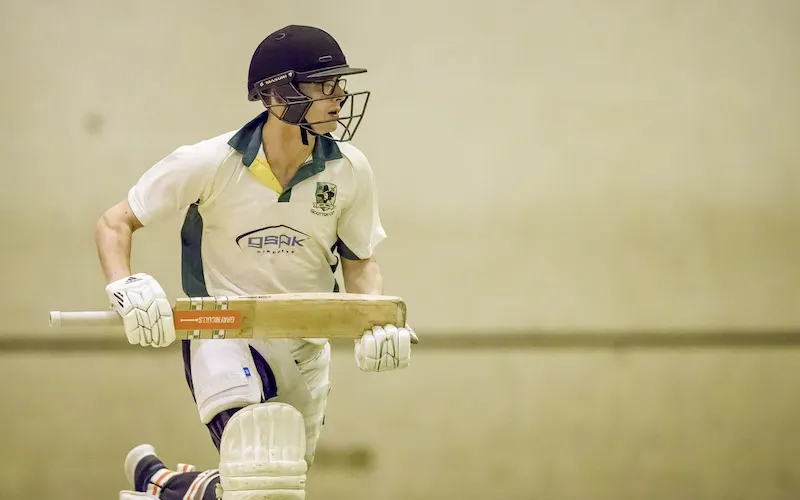
Indoor cricket training drills are essential for players looking to sharpen their skills regardless of weather, location, or time constraints. By practicing indoors, cricketers can focus on precision, technique, and reaction time in a controlled environment. These drills are not just convenient; they are an opportunity to work on areas that outdoor practice sessions may overlook.
Modern cricket demands consistent practice and adaptation, and indoor training provides the perfect platform. From enhancing batting footwork to refining bowling accuracy, players at every level can benefit from well-structured sessions. By integrating indoor cricket training drills into daily routines, athletes maintain sharpness and confidence, ensuring they perform at their best when it counts.
Why Indoor Cricket Training Drills Are Crucial
Indoor practice allows players to replicate match scenarios without relying on weather or large outdoor spaces. It’s ideal for focusing on skill refinement, reaction drills, and technical corrections. Coaches often encourage cricketers to supplement outdoor sessions with indoor drills to enhance muscle memory and precision.
One notable example is a professional batsman who used indoor nets during a rainy season to practice against spinning deliveries. The consistent indoor environment enabled him to refine his footwork and shot selection, which later proved decisive in crucial matches. This illustrates how indoor cricket training drills are more than a stopgap—they’re a key part of skill development.
Batting Drills for Precision and Footwork
Batting is the cornerstone of cricket, and indoor drills can elevate technique and consistency. Using smaller nets or confined spaces helps players focus on timing, hand-eye coordination, and controlled shot execution.
Players often practice with variations such as shorter pitch distances, altered ball speeds, or target zones. These setups simulate real match pressure while allowing for repeated attempts without fatigue or interruptions. Integrating these drills improves reaction time, enhances balance, and builds confidence at the crease.
One memorable case involved a young cricketer who practiced aggressive driving in a compact indoor net. The repetitive, focused sessions strengthened his muscle memory, which helped him dominate in subsequent outdoor games. This demonstrates how indoor cricket training drills can translate directly to match performance.
Bowling Drills to Improve Accuracy and Variation
Indoor bowling drills help players refine line, length, and spin without relying on a full outdoor pitch. Using target cones, markers, or specialized bowling mats allows bowlers to practice consistently while minimizing injury risk.
Fast bowlers benefit from short-run-up drills that emphasize stride, arm action, and follow-through. Spinners focus on wrist and finger control, experimenting with variations to outsmart batsmen. The indoor environment also allows video analysis, letting bowlers track improvements in form and technique.
For instance, a spin bowler once improved his doosra delivery using an indoor setup, mastering grip and release mechanics that proved difficult in outdoor conditions. This showcases how indoor cricket training drills help refine specialized skills in a controlled, repeatable manner.
Fielding Drills for Reflexes and Agility
Fielding often defines close matches, and indoor drills can simulate high-pressure catching and throwing scenarios. Players can practice reaction drills, slip catching, and quick-release throws in confined spaces to enhance hand-eye coordination and reflexes.
Agility ladders, soft ball exercises, and short sprints help fielders move efficiently and respond to unexpected situations. Indoor settings provide the advantage of repeating difficult catches multiple times, improving confidence and execution.
A professional fielder credited indoor drill sessions for enhancing his reflexes, particularly in tight matches where split-second decisions made the difference. This proves that indoor cricket training drills extend beyond basic skill work—they refine instincts under pressure.
Fitness Integration in Indoor Drills
Fitness is integral to cricket performance, and indoor drills often incorporate strength, agility, and endurance components. Players use bodyweight exercises, resistance bands, and plyometrics to build power and prevent injuries.
Combining fitness routines with cricket-specific drills creates a holistic training environment. For example, incorporating short sprints or lateral movements before batting practice can simulate match intensity, improving stamina and reaction under fatigue.
This approach ensures that indoor cricket training drills do more than improve technique—they enhance physical readiness for real match scenarios.
Technology and Analytics in Indoor Training
Indoor cricket training can be enhanced using technology. Video recording, ball-tracking devices, and sensors provide real-time feedback on performance. Coaches and players can analyze posture, delivery speed, shot mechanics, and foot positioning to fine-tune skills.
One young cricketer used high-speed video to correct his batting stance, resulting in more consistent shot execution. The indoor environment provided repeatable practice conditions, making analytics more accurate. This shows how modern indoor cricket training drills integrate science to maximize skill development.
Indoor Drills for Mental Toughness
Indoor sessions can also improve focus and mental resilience. Controlled settings allow players to practice visualization, concentration exercises, and handling pressure situations. By simulating match-like stress, athletes learn to maintain composure when outcomes are uncertain.
For example, practicing consecutive deliveries to a target area under timed conditions challenges concentration and decision-making. Over time, this strengthens mental stamina, complementing physical skill enhancement. Indoor cricket training drills thus contribute to both physical and psychological preparedness.
Youth Development Through Indoor Drills
For young players, indoor drills offer structured learning opportunities. Coaches can emphasize technique, coordination, and basic strategy without worrying about weather or large outdoor facilities.
Repetition in indoor environments helps children develop proper muscle memory, while fun, game-like drills maintain engagement. Early exposure to these exercises builds confidence and sets a foundation for future success in professional cricket.
Drills That Focus on Specific Skill Sets
Indoor cricket training is versatile and can target specialized skills:
-
Batsmen can practice defensive techniques, spin handling, and innovative shots in confined nets.
-
Bowlers can perfect seam positions, swing, or wrist spin mechanics.
-
Fielders can work on slips, close catching, and quick pick-ups with consistent repetition.
This versatility allows cricketers to customize training based on their position and individual needs. By repeating focused drills, players reinforce key movements, which translates into more confident performance during outdoor matches.
Success Stories Using Indoor Drills
Numerous cricketers have credited indoor training for breakthroughs in their careers. One batsman improved against spin by dedicating sessions to indoor footwork drills. Another bowler mastered swing variations indoors before dominating in international matches.
Indoor environments encourage experimentation without high stakes, allowing players to make adjustments and learn from mistakes. These success stories emphasize how indoor cricket training drills can have a direct impact on performance when it matters most.
Seasonal Advantages of Indoor Cricket Training
Indoor practice is especially useful during off-seasons or adverse weather. Players can maintain consistency year-round without interruption. Seasonal disruptions often lead to lost rhythm, but structured indoor drills prevent skill deterioration.
Teams often schedule indoor sessions to replicate match intensity while protecting players from weather-related fatigue or injuries. Maintaining continuity ensures athletes remain match-ready, regardless of environmental conditions.
Tips for Maximizing Indoor Training Effectiveness
Consistency, focus, and structured progression are key. Players should plan drills that incrementally increase difficulty, monitor performance, and integrate recovery strategies.
Combining technical work with fitness, agility, and mental conditioning enhances overall effectiveness. Setting measurable goals for each indoor session ensures progress is tracked and motivates players to refine their skills continuously.
By approaching indoor cricket training drills systematically, cricketers gain a competitive edge and maintain peak performance throughout the year.
The Future of Indoor Cricket Training Drills
As cricket continues to evolve, indoor training will play an increasingly important role. Advances in simulation technology, analytics, and specialized equipment allow players to practice more efficiently and safely.
Indoor facilities provide opportunities for tailored drills, targeted skill development, and year-round training. The integration of physical, technical, and mental components ensures that indoor cricket training drills remain essential in modern cricket preparation.
Read also:
सनरायझर्स हैदराबाद वि राजस्थान रॉयल्स सामन्याचे स्कोअरकार्ड
mi new york vs washington freedom timeline
सनरायझर्स हैदराबाद वि गुजरात टायटन्स सामन्याचे स्कोअरकार्ड
sports career of vignesh puthur