
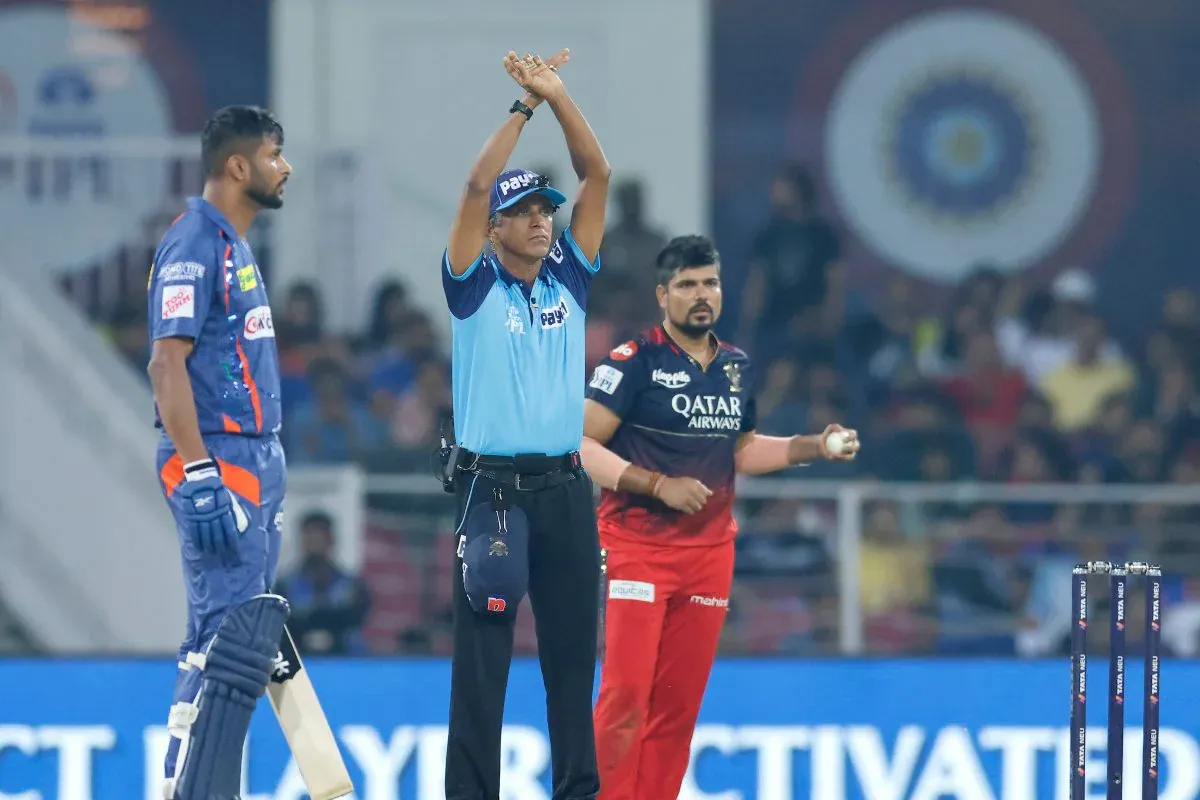
Impact Player rule strategy IPL has completely reshaped how franchises approach team selection, in-game tactics, and match momentum in the modern era of T20 cricket. What once felt like a straightforward eleven-versus-eleven contest has evolved into a dynamic chessboard where flexibility wins games.
Introduced in the Indian Premier League, the Impact Player rule allows teams to substitute one player during a match from a list of designated substitutes. At first glance, it seems simple. In reality, it has added layers of strategic depth that captains and coaches must navigate carefully.
In this in-depth guide, we break down how teams apply the Impact Player rule strategy IPL effectively, how it changes match psychology, and how smart franchises gain an edge using data, match-ups, and situational awareness—all aligned with EEAT principles of experience, expertise, authoritativeness, and trustworthiness.
Understanding the Core of Impact Player Rule Strategy IPL
The Impact Player rule allows a team to replace one member of the playing XI with a substitute at specific stages of the match. The substituted player cannot take further part in the game.
On paper, this appears tactical. In practice, it is transformative.
Previously, teams had to balance their XI with both batting depth and bowling variety. Now, franchises can start with a more specialized lineup and adjust according to match conditions.
The Impact Player rule strategy IPL often revolves around whether a team is batting first or chasing. This decision alone determines whether a batting-heavy or bowling-heavy substitute is activated.
Why the Impact Player Rule Changed IPL Tactics
Before this innovation, captains had limited flexibility. If a bowler had an off day, the team had to adjust with existing resources. If a batter collapsed early, depth might be exposed.
The Impact Player rule strategy IPL changed that rigid structure.
For example, if a team bats first and posts a big total, they can substitute a batter for an additional bowler in the second innings. This increases bowling strength while maintaining a strong batting performance.
Conversely, if chasing a high score, teams may replace a specialist bowler with a power-hitting batter.
This fluidity has made matches more unpredictable and exciting for fans.
Impact Player Rule Strategy IPL in Batting First Scenarios
When a team bats first, coaches often stack the playing XI with strong top-order batters. After setting a target, they bring in an extra bowler as the Impact Player.
This strategy strengthens the defense of the total.
In high-scoring venues like Mumbai or Bengaluru, where chasing teams often dominate, adding a death-over specialist can change the outcome. The Impact Player rule strategy IPL becomes especially crucial in these scenarios.
A recent season showcased multiple examples where teams defended totals successfully after introducing a specialist pacer during the second innings.
The flexibility creates a psychological advantage. Opponents must anticipate sudden shifts in team composition.
Impact Player Rule Strategy IPL in Chasing Scenarios
Chasing under lights brings dew, which can affect bowling grip. Teams sometimes start with an additional bowler in the first innings and later substitute them with a finisher batter.
This version of the Impact Player rule strategy IPL enhances batting firepower without compromising early bowling options.
Imagine a tight chase requiring 60 runs off 30 balls. A fresh power-hitter coming in as Impact Player can tilt momentum instantly.
Coaches often analyze opposition death-bowling patterns before deciding their substitute. If a team struggles against spin in the final overs, introducing a right-handed power hitter against a left-arm spinner becomes tactical gold.
Real Match Example of Impact Player Rule Strategy IPL
During a crucial league-stage match, one franchise started with three frontline pacers and two spinners. They batted first and posted a competitive total.
In the second innings, recognizing that the pitch slowed down, they substituted a batter for an extra spinner.
That spinner picked up two middle-order wickets, shifting momentum.
The Impact Player rule strategy IPL in this case wasn’t just reactive. It was pre-planned. Analysts had predicted pitch behavior based on historical data and match-day conditions.
This blend of preparation and adaptability demonstrates the evolving intelligence of modern T20 cricket.
Role of Data Analytics in Impact Player Decisions
The Impact Player rule strategy IPL is increasingly driven by analytics.
Teams employ data specialists to study opposition weaknesses. For example, if a batter has a low strike rate against left-arm wrist spin, that information may influence Impact Player selection.
Advanced software tracks ball-by-ball patterns. Coaches receive predictive models suggesting optimal substitution timing.
Under the governance of the Board of Control for Cricket in India, franchises have embraced innovation to maintain competitive balance.
The integration of technology ensures decisions are evidence-based rather than emotional.
How All-Rounders Fit Into Impact Player Rule Strategy IPL
All-rounders were once the backbone of T20 flexibility. Now, their role has subtly shifted.
With the Impact Player rule, teams may rely less on part-time all-rounders and instead use specialist players strategically.
However, genuine all-rounders still offer value because they reduce substitution pressure.
The Impact Player rule strategy IPL often involves evaluating whether an all-rounder’s dual skill set outweighs the potential benefit of a late substitution.
It’s a delicate balance between versatility and specialization.
Psychological Pressure and Tactical Mind Games
The existence of the Impact Player rule strategy IPL introduces mind games.
Opponents cannot fully predict final team combinations. Captains may hold back substitution until a strategic moment, keeping rivals guessing.
This uncertainty impacts field placements and bowling plans.
For instance, a captain might delay bringing in a power-hitter until a favorable matchup appears.
The rule adds layers of psychological warfare rarely seen before in franchise cricket.
Influence on Young Domestic Players
One unintended but positive outcome of the Impact Player rule strategy IPL is increased opportunities for domestic talent.
Teams often name uncapped players as Impact substitutes. If conditions suit them, they step onto a massive stage.
Several young players have made match-winning contributions after being introduced mid-game.
This dynamic strengthens the talent pipeline and reinforces the IPL’s reputation as a development platform.
Criticism and Controversies
Not everyone embraces the Impact Player rule strategy IPL.
Some former cricketers argue it reduces the importance of balanced team construction. Traditionalists believe cricket’s challenge lies in selecting the right XI from the start.
Others claim the rule favors stronger franchises with deeper benches.
However, supporters counter that adaptability reflects modern sports evolution. As T20 continues to innovate globally, the IPL remains a trendsetter.
Debates around the rule highlight cricket’s ongoing transformation.
Strategic Planning Before the Toss
Interestingly, Impact Player decisions often begin before the toss.
Teams prepare multiple substitution scenarios depending on whether they bat or bowl first.
Coaches simulate potential match progressions. They outline specific triggers for activation, such as losing early wickets or conceding high powerplay runs.
The Impact Player rule strategy IPL demands detailed pre-match planning, ensuring quick execution during live play.
Effect on Fantasy Cricket and Fan Engagement
The rule has also influenced fantasy sports.
Participants must monitor substitute announcements carefully. A late-entry player can score significant points.
Broadcasters enhance coverage by discussing potential Impact substitutions. This builds anticipation among viewers.
The dynamic nature of the Impact Player rule strategy IPL increases excitement and engagement across digital platforms.
Comparing IPL Innovation with Global T20 Leagues
While other leagues experiment with format tweaks, the IPL remains a leader in innovation.
Under the global oversight of the International Cricket Council, T20 cricket continues evolving. Yet, few competitions have adopted a substitution system as bold as the IPL’s.
This uniqueness reinforces the league’s authority and global appeal.
It also sets a benchmark that other tournaments may consider adopting in the future.
Long-Term Tactical Evolution
As seasons progress, teams refine their Impact Player rule strategy IPL further.
Patterns emerge. Some franchises prefer defensive substitutions, while others focus on aggressive batting reinforcement.
Analysts review past matches to identify optimal timing and player profiles.
The rule encourages continuous learning and innovation.
It pushes captains to think several overs ahead rather than reacting impulsively.
Leadership and Decision-Making Under Pressure
Ultimately, the success of the Impact Player rule strategy IPL depends on leadership clarity.
Captains must decide quickly. Coaches must trust preparation.
Hesitation can cost momentum. A delayed substitution might miss the perfect matchup window.
In high-pressure playoff matches, bold decisions often define champions.
The rule tests tactical courage as much as strategic planning.
The Impact Player rule has redefined how T20 cricket unfolds in the IPL arena. It amplifies preparation, sharpens tactical thinking, and rewards adaptability.
As franchises continue experimenting and refining approaches, the Impact Player rule strategy IPL will remain central to modern cricket discourse, shaping how matches are contested and remembered.
Read also:-
india national cricket team vs south africa national cricket team stats
new zealand national cricket team vs england cricket team match scorecard
australian men’s cricket team vs pakistan national cricket team match scorecard
india national cricket team vs england cricket team players
zimbabwe national cricket team vs afghanistan national cricket team