
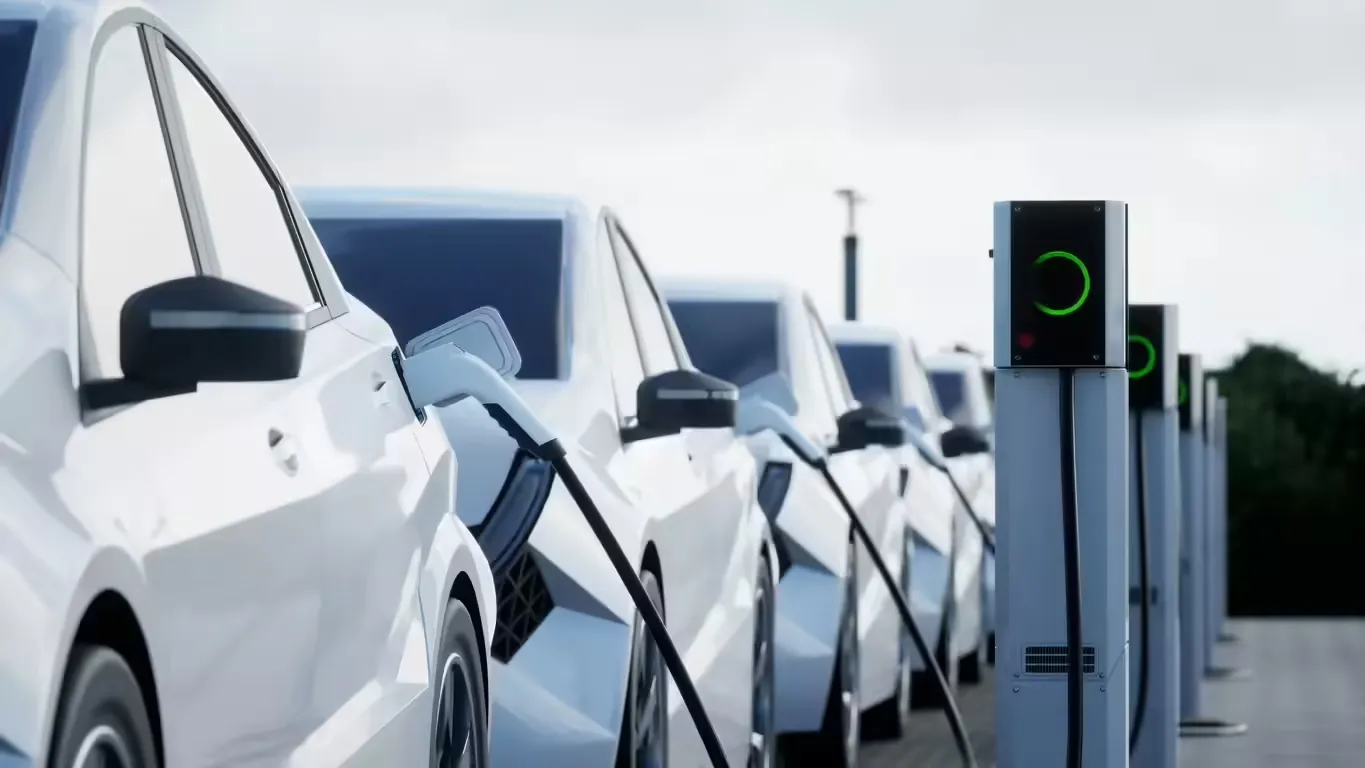
EV Insurance Policies are rapidly gaining importance as electric vehicles (EVs) become a mainstream choice for environmentally conscious drivers. Unlike traditional car insurance, these policies are designed to address the unique features of EVs, including battery replacement costs, charging infrastructure, and specialized repair procedures.
As the market for EVs expands, drivers are seeking insurance coverage that not only protects their vehicles but also accounts for their long-term investment in green technology. These policies ensure peace of mind while encouraging the adoption of electric mobility.
Table of Contents
ToggleUnderstanding EV Insurance Policies
EV Insurance Policies are tailored insurance solutions for electric vehicles. They go beyond standard coverage by factoring in the high cost of EV components, such as lithium-ion batteries, advanced electronic systems, and regenerative braking mechanisms.
Many insurers now offer policies that include roadside assistance for EV-specific issues like charging station access and battery failures. This specialized approach ensures that drivers receive comprehensive protection suited to the technology of their vehicle.
By understanding the nuances of EV insurance, owners can make informed decisions that balance cost, coverage, and risk management.
Key Features of EV Insurance Policies
Modern EV Insurance Policies come with features designed specifically for electric vehicles. Coverage often includes battery protection, repair of electronic components, and liability for EV-specific hazards.
Some policies also provide coverage for charging equipment, home charging station installation, and loss of use if the vehicle is immobilized due to battery or system failures.
These comprehensive offerings make EV Insurance Policies indispensable for anyone who wants to protect their electric vehicle investment fully.
Battery Coverage and Replacement
One of the most significant differences between EVs and conventional vehicles is the battery. Replacement costs can be substantial, making battery coverage a key aspect of EV Insurance Policies.
Policies may cover accidental damage, thermal runaway incidents, or degradation beyond manufacturer warranty limits. This ensures that drivers are protected against one of the highest-value components in their vehicle.
By including battery coverage, EV Insurance Policies provide both financial security and peace of mind for EV owners navigating the evolving market.
Roadside Assistance for Electric Vehicles
Roadside emergencies are different for EVs, especially when battery depletion or charging issues arise. EV Insurance Policies often include specialized roadside assistance that ensures drivers are never stranded.
Services can include towing to the nearest charging station, mobile charging solutions, and assistance with EV-specific mechanical failures.
This feature highlights how EV Insurance Policies adapt traditional insurance to meet the unique needs of electric mobility, providing practical solutions for everyday challenges.
Real-World Example: Tesla Insurance Integration
Tesla has pioneered integration of insurance solutions with their vehicles. Through their proprietary insurance program, EV Insurance Policies are designed specifically for Tesla owners, considering the unique components, software, and battery packs of their vehicles.
By offering usage-based premiums and real-time monitoring of driver behavior, Tesla ensures that their EVs are insured in a way that reflects both risk and technological sophistication. This approach demonstrates how EV Insurance Policies can evolve alongside the vehicles they cover.
Liability Coverage and Accident Protection
Like traditional vehicles, EV owners require liability coverage. EV Insurance Policies provide protection against damages or injuries caused to third parties.
Some policies also account for unique EV risks, such as battery fires or electronic system failures that could lead to accidents. Enhanced liability coverage ensures that drivers are financially protected in diverse scenarios, reflecting the advanced technology of electric vehicles.
This makes EV Insurance Policies both comprehensive and future-ready for modern mobility challenges.
Adoption of EV-Specific Telematics
Telematics has become a cornerstone of modern EV Insurance Policies. By tracking driving patterns, energy consumption, and battery health, insurers can offer personalized premiums and predictive risk assessments.
This data-driven approach allows drivers to benefit from reduced premiums for safe driving while giving insurers accurate insights into vehicle usage. EV owners can receive tips for energy-efficient driving, extending battery life and reducing operational costs.
Telematics integration demonstrates the synergy between EV technology and advanced insurance models, enhancing both safety and cost-efficiency.
Environmental and Social Benefits
EV Insurance Policies not only protect vehicles but also promote sustainability. Insurers often incentivize eco-friendly driving behavior through lower premiums or rewards programs.
By encouraging responsible usage of EVs, these policies contribute to reduced carbon emissions and support the broader adoption of electric mobility. Owners are rewarded for safe, efficient driving, creating a win-win scenario for both individuals and the environment.
This integration of environmental responsibility with insurance highlights the unique role of EV Insurance Policies in shaping a sustainable automotive future.
Customization and Flexible Coverage
Many insurers now allow flexible coverage options tailored to specific needs of EV owners. EV Insurance Policies can be customized to include coverage for home charging infrastructure, theft protection, battery replacement, and software updates.
Flexible options ensure that drivers only pay for what they need while maximizing protection. For example, city drivers may prioritize liability coverage, whereas long-distance commuters may focus on battery and roadside assistance.
Customization ensures that EV Insurance Policies remain practical, relevant, and cost-effective for diverse driving profiles.
Cost Considerations and Premium Calculations
Premiums for EV Insurance Policies often reflect the higher replacement costs of key components like batteries and electronic systems. However, factors such as safe driving habits, telematics usage, and eco-friendly behavior can influence costs positively.
Insurance providers are increasingly adopting dynamic pricing models, where driver behavior, location, and vehicle usage are considered to determine premiums. This ensures fair and personalized rates for EV owners.
By understanding cost factors, drivers can optimize coverage while maintaining affordability, making EV Insurance Policies accessible and practical.
Regulatory Framework and Compliance
Insurance for electric vehicles is subject to regulatory standards that vary by country and state. EV Insurance Policies must comply with these requirements, covering liability, personal injury, and vehicle-specific risks.
Insurers work closely with regulators to ensure policies reflect local laws and evolving technology standards. This includes compliance for battery safety, EV-specific repair processes, and roadside assistance obligations.
Regulatory alignment ensures that EV Insurance Policies are both legal and effective, providing peace of mind for drivers worldwide.
Integration with Smart Vehicle Technology
Connected vehicle technology has enhanced EV Insurance Policies by providing real-time data on driving behavior, battery health, and energy efficiency.
Some policies integrate directly with vehicle telematics and apps to provide instant feedback, risk alerts, and optimized coverage recommendations. This synergy between insurance and technology ensures that EV owners are continuously supported and informed.
The integration highlights the evolving nature of EV Insurance Policies, aligning protection with advanced vehicle capabilities.
Challenges and Emerging Trends
While EV Insurance Policies provide unique benefits, they also face challenges. Limited historical data, high replacement costs, and evolving vehicle technologies make risk assessment complex.
Emerging trends include AI-powered claims processing, usage-based premiums, and green incentives. These innovations help insurers better understand risks, reward responsible driving, and adapt to the rapid evolution of the EV market.
By addressing challenges proactively, EV Insurance Policies remain relevant and effective in a dynamic automotive landscape.
Real-World Impact and Adoption
Adoption of EV Insurance Policies is growing alongside EV sales. Drivers benefit from coverage that addresses their unique vehicle needs, while insurers gain data-driven insights into risk and usage patterns.
Examples from companies like Allianz and Progressive show how specialized EV insurance products are enhancing both driver safety and operational efficiency.
The real-world impact demonstrates the importance of policies tailored specifically for electric vehicles, ensuring comprehensive protection.
Future of EV Insurance Policies
The future of EV Insurance Policies will likely feature deeper integration with AI, telematics, and predictive analytics. Real-time monitoring, autonomous vehicle data, and energy efficiency tracking will play an increasing role in policy design and premium calculations.
As EV adoption grows, insurers will continue to refine coverage options, providing more affordable, comprehensive, and technologically advanced policies. This evolution ensures that EV Insurance Policies remain aligned with the needs of modern drivers.
Enhancing Driver Confidence and Peace of Mind
Ultimately, EV Insurance Policies are about confidence. They protect a high-value asset, ensure coverage for specialized components, and support drivers through real-time assistance and emergency response.
By combining advanced technology, comprehensive coverage, and customer-centric design, these policies empower EV owners to embrace electric mobility without worry.
The combination of financial protection, safety features, and technology integration makes EV Insurance Policies indispensable for modern electric vehicle ownership.
EV Insurance Policies are redefining vehicle protection in the era of electric mobility. From battery coverage to telematics, emergency assistance, and eco-friendly incentives, these policies offer tailored solutions that address the unique risks and opportunities of electric vehicles.
By integrating advanced technology with comprehensive coverage, EV Insurance Policies ensure that drivers can enjoy sustainable transportation with confidence, safety, and peace of mind.
Read also: