
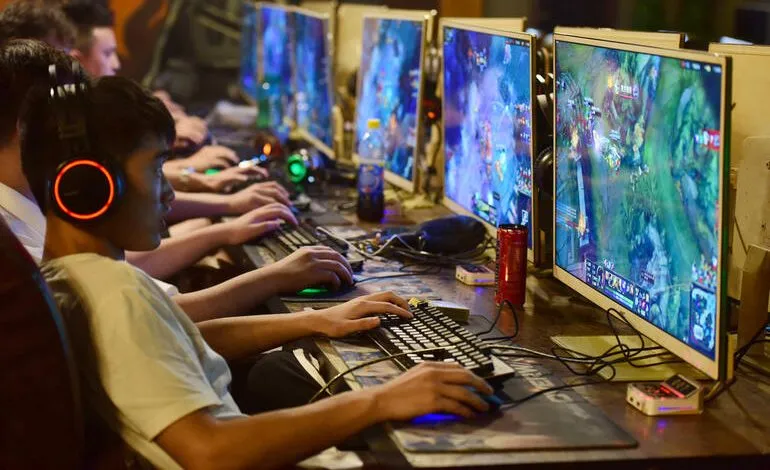
Esports Expansion has moved with a speed that few could have predicted twenty years ago, evolving from small local area network parties in crowded basements into a multi-billion dollar industry that fills stadiums like the O2 Arena or the Bird’s Nest. If you have ever watched a highlight reel of a professional Valorant match or witnessed the sheer strategic depth of a League of Legends world final, you understand that this is no longer just a hobby for teenagers. It is a highly professionalized, deeply tactical, and commercially massive sector of the global entertainment economy that is currently challenging traditional sports for viewership dominance.
The cultural shift surrounding professional gaming has been profound, as the stigma once attached to “playing video games” has largely evaporated in the face of immense skill and dedication. We now see professional players who follow strict training regimens, involving physical fitness, mental health coaching, and hours of tactical analysis. This level of preparation has turned these digital athletes into global icons, with fanbases that rival those of top-tier football or basketball stars, particularly among the younger, digitally native generations.
When we look at the geographical footprint of this movement, we see a fascinating spread that spans every continent. While South Korea has long been the spiritual home of competitive gaming, the current wave of growth is seeing massive investment in the Middle East, Southeast Asia, and Latin America. These regions are not just consuming content; they are building infrastructure, hosting world-class tournaments, and producing talent that is capable of competing at the highest levels of the international circuit.
Experience shows that the most successful instances of this growth occur when there is a synergy between game developers, tournament organizers, and local governments. In places like Saudi Arabia and Singapore, we are seeing the development of dedicated “esports cities” and hubs designed to attract international talent and investment. This institutional support provides a level of stability that was missing in the early, more chaotic days of the industry, allowing for long-term planning and sustainable growth.
The Cultural Shift Driven by Esports Expansion
The way we define a “sports fan” has been fundamentally altered by the digital revolution. Traditional sports often rely on regional loyalty, but the world of gaming is built on digital communities that transcend borders. A fan in Brazil can follow a Swedish team with the same intensity as a local supporter, thanks to platforms like Twitch and YouTube. This globalized fanbase is a primary driver of the current Esports Expansion, creating a 24/7 cycle of content and engagement that never truly stops.
We also see a change in how sponsorship and branding work within this space. In the early days, you would mostly see computer hardware companies like Intel or Razer sponsoring events. Today, the landscape includes luxury brands like Louis Vuitton, automotive giants like Mercedes-Benz, and major financial institutions. These brands recognize that the pro gaming audience is highly engaged, tech-savvy, and difficult to reach through traditional television advertising, making esports the perfect vehicle for their marketing efforts.
The storytelling in competitive gaming has also become more sophisticated, moving beyond the results of a match to focus on the human journeys of the players. We see documentaries and long-form features that explore the sacrifices made by young athletes who leave their homes to live in gaming houses and pursue their dreams. These narratives build a deep emotional connection between the fans and the players, ensuring that the audience stays invested through the wins and the losses.
Trustworthiness in the industry is being bolstered by the creation of standardized governing bodies and fair-play regulations. Much like the traditional sporting world, esports has had to deal with issues like doping, match-fixing, and contract disputes. The development of organizations like the Esports Integrity Commission (ESIC) shows a commitment to professionalizing the space and protecting the integrity of the competition, which is essential for attracting conservative institutional investors.
Technology as the Catalyst for Esports Expansion
The rapid advancement of hardware and software is the invisible engine behind the current surge in popularity. The rollout of 5G technology, for example, has opened the door for high-level competitive gaming on mobile devices, which is a massive market in regions like India and Southeast Asia. When you can compete in a world-class tournament using nothing but the smartphone in your pocket, the barriers to entry for new talent and new fans are significantly lowered.
Cloud gaming and improved streaming infrastructure have also made it easier for people to watch and participate in the ecosystem. You no longer need a five-thousand-dollar computer to be part of the community. This democratization of access is a key pillar of the Esports Expansion, ensuring that the next great pro player could come from a small village as easily as a major metropolitan city. The technology has made the world a much smaller and more competitive place.
Artificial Intelligence is also beginning to play a role in how teams prepare for matches. We are seeing AI tools that can analyze thousands of hours of gameplay to find patterns in an opponent’s strategy or to suggest the most efficient “pathing” for a player. This level of data-driven preparation is reminiscent of the “Moneyball” era in baseball, where teams use every possible analytical edge to secure a victory. The integration of data science and gaming is a natural fit that is only going to deepen.
Virtual and Augmented Reality are the next frontiers for the fan experience. Imagine sitting in your living room but feeling like you are in the front row of a sold-out stadium in Seoul, watching the action unfold around you in 360 degrees. These immersive technologies will allow tournament organizers to sell “virtual seats” to millions of people, further expanding the commercial potential of the industry and creating a viewing experience that traditional sports will struggle to match.
The role of the game developer has also shifted from being a simple software provider to acting as a league commissioner. Companies like Riot Games and Valve now manage massive, multi-tiered competitive ecosystems that include regional qualifiers, minor leagues, and world championships. This vertical integration allows for a more cohesive and professional product, ensuring that the “pro” side of the game is always aligned with the updates and balance changes made to the software itself.
We must also consider the role of collegiate esports in the current landscape. Universities across North America and Europe are now offering scholarships to elite gamers, treating them with the same level of respect and support as their football or basketball programs. This creates a clear “pathway to pro” that legitimizes the career and provides young talent with a safety net of education while they pursue their competitive goals. This academic integration is a vital part of the industry’s long-term sustainability.
Physical health is another area where the professional gaming world has made massive strides. The image of the “unhealthy gamer” is being replaced by athletes who prioritize their sleep, nutrition, and cardiovascular fitness. Teams realize that a player who is physically healthy has faster reaction times and better focus during a grueling five-hour match. This holistic approach to performance is a sign of a maturing industry that values the longevity and well-being of its talent.
The psychological pressure of being a pro gamer is intense, as a single misclick or a split-second delay in a decision can cost a team millions of dollars. As part of the Esports Expansion, we are seeing a significant increase in the use of sports psychologists who help players manage the stress of competition and the toxicity of online social media. Building mental resilience is now considered just as important as mastering the mechanics of the game itself, ensuring that the players can perform under the brightest lights.
Economic diversity within the ecosystem is also growing, with revenue streams expanding beyond just sponsorships and prize money. We see the rise of digital “skins” and in-game items that allow fans to support their favorite teams directly. These micro-transactions generate hundreds of millions of dollars in revenue, providing a steady stream of income for organizations and allowing them to reinvest in their players and their facilities. This digital-first economy is a blueprint for the future of fan engagement.
The inclusion of competitive gaming in multi-sport events like the Asian Games and the recent interest from the International Olympic Committee (IOC) is a massive step toward mainstream acceptance. While there is still a debate about whether “gaming” should be in the Olympics, the fact that the conversation is even happening shows how far the industry has come. This level of recognition provides a sense of validation for the players and the fans, proving that their passion is a legitimate form of sport.
Mobile gaming is perhaps the most underrated driver of the current growth. In countries where PCs and consoles are prohibitively expensive, mobile titles like PUBG Mobile and Free Fire have created massive competitive scenes. These games have lower hardware requirements but still offer high levels of strategic depth and mechanical skill. The Esports Expansion into the mobile space is what will truly make the industry a global phenomenon, reaching billions of people who were previously excluded.
The diversity and inclusion within the space are also improving, although there is still work to be done. We are seeing more women’s tournaments and initiatives designed to create a safe and welcoming environment for everyone, regardless of their gender or background. The digital nature of the sport means that physical differences are irrelevant, making esports theoretically the most inclusive form of competition in the world. Realizing this potential is a key goal for the next decade of growth.
Broadcasting rights have become a major point of contention and a source of massive revenue. While Twitch remains the dominant platform, we are seeing YouTube and even traditional television networks like ESPN and the BBC bidding for the rights to show major tournaments. This competition for “eyeballs” is a sign of the industry’s value and ensures that the production quality of the broadcasts continues to improve, rivaling the best that the traditional sporting world has to offer.
The infrastructure required to host a major tournament is staggering. It involves high-speed fiber-optic lines, massive LED screens, and sophisticated sound systems that can handle the roar of a live crowd and the intense audio cues of the game. The “event management” side of the industry has become a specialized field, with professionals who know exactly how to create a festival-like atmosphere that keeps fans coming back year after year.
We also see the rise of “lifestyle brands” within the gaming world. Organizations like FaZe Clan and 100 Thieves have moved beyond just winning trophies to become influential forces in fashion, music, and social media. They understand that their value lies in their ability to influence the culture and the purchasing decisions of their fans. This diversification of the business model is what makes these organizations resilient and attractive to a wide range of partners.
The training facilities for top-tier teams are now state-of-the-art centers that include sleeping pods, healthy cafes, and specialized gyms. These “performance centers” are designed to provide the players with every possible advantage, from high-speed internet to ergonomic furniture that prevents repetitive strain injuries. This investment in the physical environment is a clear sign that the industry is no longer a “fly-by-night” operation but a permanent fixture of the global sporting landscape.
Looking at the future, we can expect to see more integration of blockchain and NFT technology into the gaming world. While controversial, these tools offer new ways for fans to own a piece of their favorite team’s history or to trade digital assets in a secure and transparent way. The intersection of decentralized finance and pro gaming is a fascinating area that will likely play a major role in the next phase of the Esports Expansion.
The role of the “influencer” and the “streamer” cannot be overlooked either. Many pro players have their own massive following on social media, allowing them to build a personal brand that stays with them even after they retire from competition. This “creator economy” is a powerful force that drives engagement and provides a platform for players to share their personalities and their stories with the world. It turns the players into more than just competitors; it turns them into entertainers.
As the industry continues to grow, we will likely see more specialization in roles. We already have coaches, analysts, and managers, but we might soon see specialized roles for “mental performance directors,” “nutrition consultants,” and “digital wellness advisors.” This level of specialization is a hallmark of any mature industry and ensures that every aspect of the player’s life and performance is optimized for success.
The impact of the industry on the local economy of host cities is also significant. A major tournament can bring in thousands of international visitors, filling hotels and restaurants and providing a boost to local businesses. Host cities are now actively bidding for the right to hold these events, recognizing that they are a cost-effective way to showcase their city to a global audience and to position themselves as a forward-thinking, tech-savvy hub.
Ultimately, the story of competitive gaming is a story of human ambition and the desire to be the best, regardless of the medium. It is a celebration of the digital world and the incredible things we can achieve when we push the limits of technology and skill. The expansion we are witnessing today is just the beginning of a new chapter in the history of sport, one where the field of play is a screen and the athletes are masters of the digital realm.
The world is changing, and the way we play, watch, and celebrate sports is changing with it. The digital arena is a place of endless possibility, where the only limit is your imagination and your dedication to the craft. As we move forward, we should embrace the growth and the excitement of this new frontier, recognizing that the beautiful game has found a new home in the world of pro gaming.
The next generation of fans is already here, and they are not looking at the pitch or the court; they are looking at the monitor. They are cheering for their heroes, learning the strategies, and dreaming of one day standing on that stage themselves. This passion is the fuel that will drive the industry forward for decades to come, ensuring that the digital world remains a vibrant and essential part of our shared sporting culture.
As the lines between the physical and the digital continue to blur, the importance of these events will only grow. They are more than just games; they are a reflection of our modern world and a testament to the power of connection in the digital age. The expansion is a global phenomenon that is here to stay, and we are all invited to be a part of the journey.
Read also :-
dodgers vs toronto blue jays match player stats
canada men’s national soccer team vs united states men’s national soccer team lineups
toronto blue jays vs dodgers match player stats
golden state warriors vs houston rockets match player stats
los angeles rams vs philadelphia eagles match player stats