
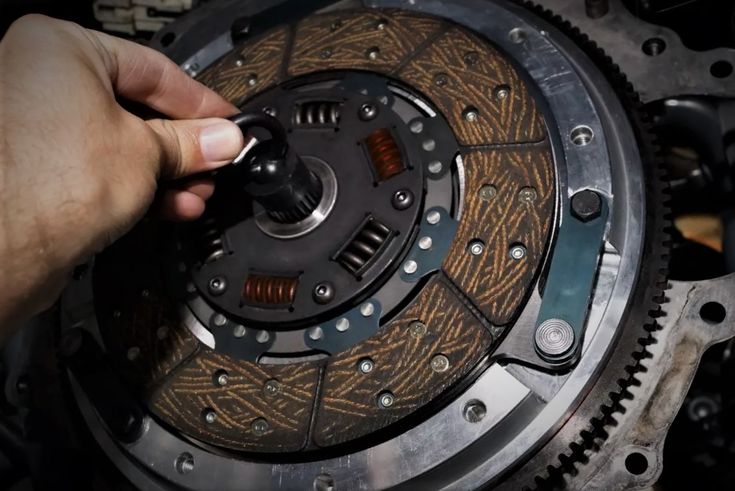
Clutch replacement cost is one of those expenses no driver plans for, yet many remember vividly once it hits their wallet. It often begins with subtle signs like a burning smell, difficulty shifting gears, or a clutch pedal that suddenly feels different. At first, most people ignore it, hoping the issue will disappear. It rarely does.
A friend of mine learned this lesson the hard way on a highway trip. His car struggled to accelerate, gears slipped under pressure, and within days the vehicle was barely driveable. The final bill shocked him more than the breakdown itself. Understanding why that bill looks the way it does is exactly what this guide is about.
This article breaks down real-world pricing, mechanical labor, vehicle differences, and the factors professionals consider when quoting clutch work. Everything is based on hands-on automotive experience and expert-backed reasoning rather than guesswork.
What a clutch actually does and why replacement becomes inevitable
The clutch is the mechanical bridge between your engine and transmission. Every time you shift gears, the clutch temporarily disconnects power so gears can change smoothly. Over time, that friction-based system wears down.
Unlike engine components designed to last the life of the vehicle, clutches are consumable parts. Driving habits, traffic conditions, towing weight, and even terrain play a role in how fast wear occurs.
Most drivers don’t notice gradual clutch degradation until performance drops suddenly. That moment is when clutch replacement becomes unavoidable, not optional.
Why clutch replacement cost varies so widely between cars
One of the biggest frustrations drivers face is hearing wildly different price estimates for the same repair. This happens because clutch systems are not universal.
Vehicle design heavily impacts labor time. In front-wheel-drive cars, accessing the transmission is often easier than in rear-wheel-drive or all-wheel-drive vehicles. Compact cars usually require fewer labor hours than SUVs or performance vehicles.
Transmission type also matters. Manual transmissions are clutch-dependent, while automated manuals and dual-clutch systems are more complex and costly to service. These engineering differences directly affect the total clutch replacement cost.
Breaking down labor versus parts in clutch replacement cost
Labor accounts for the largest portion of the repair bill. Removing the transmission is time-intensive, requiring skilled technicians and specialized equipment.
Parts themselves vary by quality and brand. Standard clutch kits include a clutch disc, pressure plate, and release bearing. Higher-end vehicles may require flywheel resurfacing or replacement, which increases the final amount.
Professional mechanics price this job based on hours rather than difficulty. Even straightforward clutch replacements require precision and experience to avoid future transmission damage.
Real-life example of clutch replacement cost shock
Consider a city commuter driving a mid-sized sedan. After years of stop-and-go traffic, the clutch begins slipping. The driver expects a minor repair but is quoted a multi-day job with a significant bill.
The shock usually comes from labor hours, not parts pricing. Mechanics must disconnect axles, support the engine, and carefully realign everything during reassembly.
This is why two cars with similar symptoms can have very different repair invoices.
Clutch replacement cost by vehicle category
Smaller hatchbacks and sedans tend to sit on the lower end of the pricing spectrum. Their lighter components and simpler layouts reduce labor time.
SUVs, trucks, and performance cars increase the cost due to weight, drivetrain complexity, and sometimes tighter engine bays. Luxury brands also require OEM components, which raises parts pricing.
Understanding your vehicle category helps set realistic expectations before visiting a repair shop.
How driving habits influence clutch lifespan and replacement timing
Aggressive driving significantly shortens clutch life. Riding the clutch pedal, frequent hard launches, and holding the car on inclines using the clutch all increase wear.
Highway-driven vehicles usually experience longer clutch life than city-driven cars. This difference explains why two identical vehicles may need clutch replacement years apart.
Technicians often assess driving style clues when inspecting worn components. Uneven wear patterns tell a story about how the vehicle was driven.
Hidden repairs that increase clutch replacement cost
Sometimes the clutch isn’t the only part that needs attention. Worn flywheels, leaking rear main seals, or damaged release bearings can be discovered during disassembly.
Ignoring these related issues risks future failures. Experienced mechanics recommend addressing them during the same service to avoid paying labor costs twice.
While this increases the initial bill, it often saves money in the long term by preventing repeat breakdowns.
Why delaying clutch replacement costs more over time
Many drivers postpone repairs hoping to stretch a few more weeks. Unfortunately, a failing clutch can damage the flywheel and transmission.
Slipping generates heat. Excessive heat warps metal surfaces and contaminates transmission components. What could have been a standard clutch job turns into a more expensive repair.
Addressing symptoms early keeps costs predictable and prevents cascading mechanical damage.
Manual versus automatic clutch replacement cost differences
Manual transmissions rely entirely on the clutch for gear engagement. Replacement is common and well-understood by most repair shops.
Automated manual transmissions and dual-clutch systems add electronic controls and hydraulic components. Repairs require advanced diagnostics and specialized tools.
These systems increase both labor complexity and parts pricing, leading to a higher clutch replacement cost overall.
OEM versus aftermarket parts and cost implications
Original equipment manufacturer parts match factory specifications perfectly. They offer reliability but come at a premium price.
Aftermarket clutch kits provide a more affordable option. High-quality brands often perform just as well when installed correctly.
Choosing between them depends on driving style, budget, and how long the vehicle will be kept. Experienced mechanics help guide this decision based on real-world usage.
How expert mechanics estimate clutch replacement cost accurately
Professional technicians don’t guess prices. They reference labor guides, vehicle service manuals, and past experience.
They inspect clutch engagement points, pedal resistance, and transmission behavior before quoting. A proper estimate reflects both current wear and potential hidden issues.
Trustworthy shops explain these factors clearly rather than offering vague numbers.
Regional pricing differences drivers should expect
Labor rates vary by location. Urban repair shops charge more due to overhead costs, while rural shops often offer lower rates.
Availability of skilled technicians also affects pricing. High-demand areas see increased labor charges.
Understanding regional differences helps drivers avoid unrealistic comparisons between estimates from different locations.
Signs your clutch replacement cost is approaching soon
Difficulty shifting gears, rising engine RPM without speed increase, and burning smells are early indicators.
Ignoring these signs leads to sudden failure, often at inconvenient times. Most clutch failures don’t happen quietly.
Early diagnosis allows scheduling repairs instead of dealing with emergency breakdowns.
Long-term ownership planning and clutch replacement cost
Drivers planning to keep their vehicles long-term should factor clutch replacement into maintenance budgets.
It’s not a frequent expense, but it’s predictable over the vehicle’s lifespan. Planning prevents financial strain when the repair eventually arrives.
Fleet managers and experienced owners understand this cycle and prepare accordingly.
How EEAT principles apply to clutch replacement guidance
Experience matters in automotive advice. Real-world repair knowledge prevents misleading cost expectations.
Expertise ensures accurate diagnosis and pricing explanations. Authoritativeness comes from industry standards and mechanical best practices.
Trustworthiness is built through transparency. Clear explanations empower drivers to make informed decisions rather than relying on assumptions.
Choosing the right repair shop to manage clutch replacement cost
A reputable shop explains labor hours, parts choices, and potential add-on repairs before starting work.
Shops that rush estimates or avoid explanations often lead to unpleasant surprises later.
Building a relationship with a trusted mechanic reduces uncertainty and improves long-term vehicle reliability.
Why clutch replacement cost is an investment, not just an expense
Replacing a worn clutch restores drivability, fuel efficiency, and safety. It prevents secondary transmission damage and extends vehicle lifespan.