
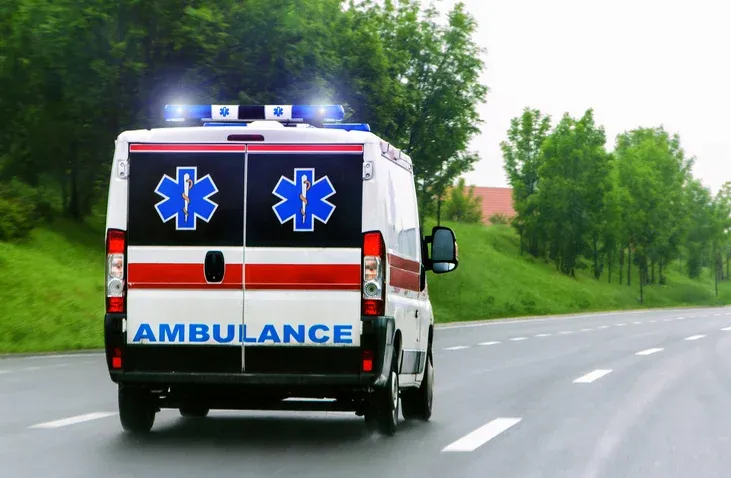
Ambulance emergency call is the first step that can turn panic into action when someone’s life is on the line. In real emergencies, people don’t lose time because they don’t care—they lose time because they don’t know what to do, what to say, or who to contact first.
I’ve seen this happen in a very common situation: an elderly neighbor suddenly collapsed in the building corridor. Within seconds, everyone gathered. Someone brought water. Someone shouted for a doctor. Another person tried calling relatives. But the most important thing—getting professional medical help on the way—was delayed by confusion.
That’s why knowing how emergency ambulance support works is not “extra knowledge.” It’s basic life preparedness. Whether it’s a heart issue, accident, severe breathing trouble, pregnancy complications, or a sudden stroke, the right call at the right time can change the outcome completely.
This guide explains how to make the call, what details matter, how ambulance teams respond, and how you can support the patient safely until help arrives.
Why People Freeze During Medical Emergencies (And How to Stay Clear-Headed)
In most emergency situations, the body reacts before the brain does. Your heart races, hands shake, and thoughts become messy. Even strong, confident people may panic when they see blood, unconsciousness, or someone struggling to breathe.
That panic often creates delays. People try random solutions first. They argue about whether it’s “serious enough.” They wait for the patient to “feel better.” They call family members instead of emergency responders.
But medical emergencies don’t work on comfort timelines. A stroke can steal brain function minute by minute. A heart attack can become fatal quickly. Severe asthma can turn into oxygen shortage in moments.
The goal isn’t to become fearless. The goal is to have a simple plan: call, communicate, and act safely.
What an Ambulance Actually Brings (It’s Not Just a Vehicle)
Many people assume an ambulance is only transport. But a good emergency response ambulance is more like a moving medical unit.
Inside, trained staff can monitor vital signs, provide oxygen support, manage bleeding, and stabilize patients for safe travel. In many cases, the first few minutes of care inside the ambulance matter just as much as the hospital treatment later.
This is why calling early is critical. Even if the hospital is close, you still need professional assessment and safe handling. A patient who appears “okay” may suddenly collapse again due to internal issues.
Ambulances are also designed to move patients safely without worsening injuries. That’s extremely important in road accidents, falls, or spinal injury risks.
Ambulance Emergency Call Situations That Need Immediate Action
Not every health problem needs emergency transport, but many situations do. The challenge is that emergencies don’t always look dramatic.
Some signs are obvious: unconsciousness, heavy bleeding, seizures, severe burns, or major accidents. But others are quieter: sudden chest pain, slurred speech, confusion, blue lips, or difficulty breathing.
Pregnancy emergencies also need urgent attention. Severe pain, heavy bleeding, fainting, or reduced fetal movement are not “wait and watch” situations.
Even children can show sudden danger signs like high fever with seizures, extreme drowsiness, or choking.
The safest mindset is this: if you’re unsure and the person’s condition looks serious or rapidly changing, treat it as urgent. It’s always better to act early than regret later.
What to Say During an Ambulance Call (So Help Reaches You Faster)
The biggest mistake people make is talking in panic without giving useful details. The operator needs clear information to dispatch the right help quickly.
Start with your exact location. Not just the street name—mention nearby landmarks, building name, floor number, and entry gate details. In many cities, reaching the right lane is harder than driving fast.
Then describe what happened in one sentence. For example: “My father collapsed and is not responding,” or “There’s a road accident and the rider is bleeding heavily.”
Share the patient’s age and symptoms. Breathing issues, chest pain, unconsciousness, or seizures should be mentioned clearly.
If the patient has known medical history like heart disease, diabetes, or asthma, mention it briefly. It helps responders prepare.
Most importantly, stay on the call if the operator asks you to. They may guide you with safe steps until the ambulance arrives.
The Hidden Value of Early Calling: Treatment Starts Before Hospital
Many people think treatment begins only after reaching the hospital. In reality, the emergency chain begins the moment you call.
A fast response team can arrive with oxygen, essential medicines, and monitoring tools. They can check blood pressure, pulse, and oxygen levels immediately.
This early care reduces risk during transport. It also helps hospitals prepare faster because the ambulance team can share patient status in advance.
In serious cases, those few minutes of early intervention can prevent complications. That’s why delaying the call “until we confirm” can be dangerous.
Ambulance Emergency Call Response Time: What Affects It?
People often ask why ambulances sometimes take time. The truth is, response time depends on many real-world factors.
Traffic congestion is a major challenge, especially during peak hours. Narrow roads, blocked lanes, and wrong parking can slow down even the best emergency teams.
Location clarity matters too. If the caller gives incomplete directions, the ambulance may reach the area but waste time finding the exact building.
Availability also plays a role. During large events, storms, or high-demand periods, ambulances may be busy attending multiple emergencies.
This is why community awareness matters. When people keep access roads clear and cooperate, emergency services become faster and more effective for everyone.
How to Help the Patient While Waiting (Without Making Things Worse)
The minutes before help arrives can feel endless. People want to “do something,” but doing the wrong thing can cause harm.
If the person is unconscious but breathing, keep them on their side in a safe position to prevent choking. If they are not breathing and you know CPR, start it immediately. If you don’t know CPR, follow the operator’s guidance if provided.
If there is heavy bleeding, apply pressure with a clean cloth and keep the injured area supported. Avoid removing deeply stuck objects from wounds.
If the person is having a seizure, do not hold them down. Clear the area so they don’t hit objects. Place something soft under the head if possible.
Avoid giving food or water to someone who is semi-conscious, choking, or very weak. It can cause aspiration and worsen breathing.
Staying calm and protecting the airway is often the most helpful action until the ambulance arrives.
Real-Life Example: When Fast Calling Made the Difference
A shop owner once shared a story about a customer who suddenly complained of chest heaviness and sweating. At first, people thought it was “gas” or stress. Someone offered water. Another suggested resting.
But one staff member immediately called emergency support. Within minutes, the patient was assessed, stabilized, and moved safely. Doctors later confirmed it was an early-stage heart attack.
That quick decision didn’t just save time—it saved heart muscle. In cardiac cases, minutes decide how much damage happens.
This is why it’s important to trust the warning signs and act fast. You don’t need a perfect diagnosis to call for help. You only need the courage to respond quickly.
Why Self-Driving to the Hospital Can Be Risky
Many families try to rush patients to the hospital in private vehicles. Sometimes it works. But in many emergencies, it can be risky.
The patient may collapse during the ride. There may be no oxygen support available. If the patient vomits or loses consciousness, managing the airway becomes difficult in a car.
In accidents, moving the patient incorrectly can worsen spinal injuries or internal bleeding. In pregnancy emergencies, sudden complications can occur mid-journey.
Ambulances are designed for safe transport with medical supervision. Even when the hospital is nearby, professional handling can prevent unexpected complications.
Emergency Preparedness at Home: Small Steps That Create Big Safety
Most emergencies happen at home. So a little planning goes a long way.
Keep emergency numbers easily accessible, not buried in phone contacts. Family members should know where they are.
If you live in an apartment, ensure security guards know how to guide ambulances quickly. Keeping lifts working and entrances clear can save time.
If someone in your family has chronic illness, keep basic medical details ready. Current medications, allergies, and past medical history can help responders.
Even knowing the nearest major hospital route matters. In emergencies, people often choose the wrong hospital due to panic.
Preparedness isn’t about expecting bad things. It’s about being ready if they happen.
Ambulance Types and Why the Right One Matters
Not every ambulance is the same. Some are designed for basic patient transport, while others support advanced life care.
For critical cases like cardiac arrest, severe trauma, or breathing failure, advanced support ambulances can provide stronger medical intervention on the way.
Some ambulances specialize in neonatal care, shifting newborn babies safely with temperature control and specialized monitoring.
The key takeaway is simple: when you call, explain symptoms clearly so the right level of support is dispatched.
Even if you don’t know ambulance categories, describing the condition properly helps the system respond better.
The Role of Emergency Staff: Skills You Don’t See but Depend On
Ambulance staff are trained to make fast decisions under pressure. They handle unpredictable environments—crowds, traffic, narrow staircases, and emotionally stressed families.
They also manage patient stabilization, which is not always visible to bystanders. Controlling oxygen, checking pulse, managing bleeding, and keeping the patient safe during movement requires skill.
Their communication with hospitals also matters. A prepared emergency department can act faster if they know what’s coming.
This combination of training, experience, and teamwork is what makes emergency response reliable.
EEAT in Emergency Guidance: Why Reliable Information Saves Lives
In health emergencies, misinformation spreads fast. People try home remedies, random advice, or social media “quick fixes.”
That’s why EEAT—Experience, Expertise, Authoritativeness, and Trustworthiness—matters so much in emergency awareness.
Experience teaches what actually happens in real emergencies, not just in theory. Expertise ensures correct actions for different conditions. Authority comes from proven emergency systems and trained responders. Trust is built when guidance is consistent, safe, and practical.
When it comes to urgent care, clarity beats complexity. The right action at the right time is more powerful than any complicated medical knowledge.
How to Stay Safe After the Ambulance Arrives (Yes, It Matters)
Once the ambulance arrives, many people still unintentionally slow down the process.
Crowding the patient creates confusion. Too many voices at once makes it harder for responders to assess symptoms.
One person should speak clearly and share key details: what happened, when it started, known medical history, and any medication taken.
If possible, keep the building entrance open and clear the path. If the patient is on an upper floor, arrange lift access or stairway clearance quickly.
Also, keep identification and basic documents ready if available, but don’t waste time searching for paperwork if the situation is critical.
The priority is safe movement and quick stabilization.
Emergency Calls for Children and Elderly: Why Extra Care Is Needed
Children and elderly patients can deteriorate faster. They may not explain symptoms clearly, and their bodies handle stress differently.
In children, breathing issues, choking, seizures, and sudden fever-related complications can become urgent quickly.
In elderly people, falls, strokes, heart issues, and sudden confusion should never be ignored. Sometimes symptoms look mild but hide serious internal problems.
In both cases, early calling is the safest approach. Waiting for symptoms to “settle down” can waste valuable time.
When You Should Call Even If You’re Not 100% Sure
One of the hardest moments is deciding whether the situation is “serious enough.”
If the person is struggling to breathe, unconscious, bleeding heavily, having chest pain, showing stroke signs, or experiencing severe trauma, you don’t need permission to act.
Even if you’re unsure, a quick call can bring guidance. It’s better to be safe and get professional help than delay and face consequences.
The truth is, emergencies don’t come with labels. But your decision to act quickly can be the difference between recovery and tragedy.
Read also:
5146124584
4509726595
3069103454
3658732800
2897481696
6042656056