
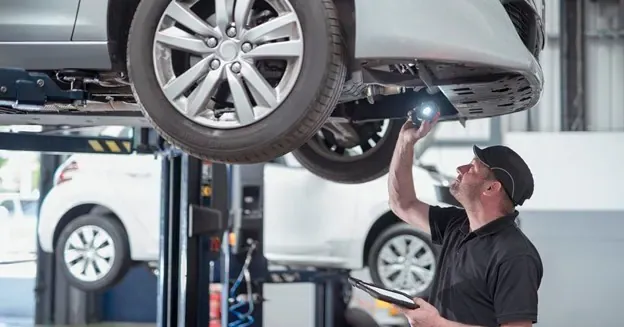
EV car servicing center solutions are becoming essential as more drivers switch from fuel-powered vehicles to electric mobility. Owning an electric vehicle feels different from day one. The silent acceleration, lower running costs, and eco-friendly appeal make it exciting. But when it comes to maintenance, many owners quickly realize that electric cars require a completely different servicing approach.
Unlike traditional garages built around combustion engines, EV-focused facilities are designed for high-voltage systems, battery diagnostics, and advanced software calibration. Understanding how these centers operate helps owners make informed decisions and protect their investment long term.
This comprehensive guide explores how modern electric vehicle service facilities work, what to expect during maintenance, and how to choose the right professionals. Built around EEAT principles, the information here combines hands-on industry insights, technical expertise, and trustworthy recommendations for EV owners.
Table of Contents
ToggleWhy an EV Car Servicing Center Is Different from Traditional Garages
Electric vehicles operate on entirely different mechanical principles.
There are no oil changes, no spark plugs, and no exhaust systems. Instead, EVs rely on high-voltage battery packs, electric motors, regenerative braking systems, and advanced onboard software.
An EV car servicing center is equipped with specialized diagnostic tools capable of handling high-voltage components safely. Technicians undergo specific certification training to manage electric drivetrains and battery systems.
Traditional garages may lack the protective equipment required for EV servicing. Insulated tools, voltage detection systems, and battery management diagnostics are mandatory in professional EV facilities.
This difference isn’t minor—it’s fundamental to vehicle safety and performance.
The Importance of Certified Technicians
Working on electric vehicles demands a higher level of technical training.
EV systems operate at voltages significantly higher than conventional vehicles. Improper handling can result in serious safety risks.
A reputable EV car servicing center employs certified technicians trained in high-voltage system management. They understand how to safely disconnect battery packs, inspect cooling systems, and update vehicle firmware.
Certification programs typically include hands-on training, safety protocol education, and manufacturer-specific procedures.
When selecting a service facility, asking about technician qualifications demonstrates responsible ownership and protects your vehicle.
Battery Health and Diagnostics
The battery is the heart of an electric vehicle.
Over time, battery capacity can gradually decline due to usage patterns, charging habits, and environmental factors.
A professional EV car servicing center uses advanced diagnostic software to assess battery health, cell balance, and overall performance metrics.
These evaluations help detect early signs of degradation before they affect driving range significantly.
Some service facilities provide detailed battery health reports, offering transparency and building trust with vehicle owners.
Proactive diagnostics extend battery lifespan and preserve resale value.
Software Updates and System Calibration
Modern EVs are as much software-driven as they are mechanical.
Manufacturers regularly release firmware updates to improve performance, optimize charging efficiency, and enhance safety features.
An advanced EV car servicing center ensures your vehicle’s software is up to date.
These updates may improve regenerative braking performance, refine energy management systems, or enhance driver assistance technologies.
Staying current with software upgrades ensures optimal functionality and security.
Cooling Systems and Thermal Management
Electric vehicles generate heat during charging and driving.
Battery packs and motors rely on cooling systems to maintain optimal temperature ranges.
An experienced EV car servicing center inspects thermal management systems, coolant levels, and heat exchangers to prevent overheating.
Failure in cooling systems can impact battery performance and long-term durability.
Routine inspections ensure efficient operation, especially in regions with extreme climates.
Brake System Maintenance
EVs use regenerative braking, which reduces wear on traditional brake pads.
However, brakes still require periodic inspection.
A qualified EV car servicing center evaluates brake fluid condition, caliper performance, and overall braking integrity.
Because regenerative braking reduces mechanical wear, some EV owners overlook brake maintenance.
Regular inspections maintain safety and prevent unexpected issues.
Charging System Inspections
Charging equipment plays a critical role in EV ownership.
Home chargers, connectors, and onboard charging units must function reliably.
An established EV car servicing center checks charging ports for damage, ensures proper cable connections, and verifies charging efficiency.
Technicians may also assess onboard charging modules for error codes.
Addressing small charging issues early prevents long-term complications.
Real-Life Example: A Smooth Service Experience
Consider Michael, who purchased his first electric SUV. After several months of ownership, he noticed slightly reduced range. Concerned, he scheduled a visit to a trusted EV car servicing center.
Technicians conducted a comprehensive battery diagnostic and discovered minor calibration discrepancies. After a software update and system recalibration, range performance improved noticeably.
The process was efficient, transparent, and reassuring.
Michael’s experience highlights the value of choosing specialized service providers who understand EV technology.
Safety Standards in an EV Car Servicing Center
High-voltage vehicles require strict safety protocols.
Service facilities must include insulated flooring, protective gloves rated for electrical resistance, and emergency shutdown procedures.
A professional EV car servicing center follows manufacturer-recommended safety standards during every repair or inspection.
Clear labeling of high-voltage components and controlled access to battery systems protect both technicians and customers.
Commitment to safety reinforces trust and authority.
Warranty Protection and Manufacturer Support
Servicing electric vehicles at authorized or certified centers helps maintain warranty coverage.
Manufacturers often require service records from recognized facilities.
Choosing a reputable EV car servicing center ensures documentation aligns with warranty conditions.
Proper records provide peace of mind and strengthen resale value.
Always verify that service providers use approved diagnostic equipment and genuine parts when required.
Cost of Servicing Compared to Gas Vehicles
Electric vehicles generally require fewer routine maintenance procedures.
There are no oil changes, timing belts, or exhaust repairs.
However, specialized diagnostics at an EV car servicing center may involve advanced equipment, which can influence pricing.
Despite this, long-term maintenance costs are often lower compared to traditional combustion vehicles.
Understanding this balance helps owners set realistic service budgets.
Choosing the Right EV Car Servicing Center
Location, certification, and reputation matter.
Reading verified customer reviews provides insight into service quality.
An established EV car servicing center should offer transparent pricing, detailed service explanations, and documented diagnostic results.
Clear communication builds confidence and strengthens long-term relationships between owners and service providers.
Trust is earned through consistency and technical competence.
The Future of EV Service Infrastructure
As electric vehicle adoption accelerates, service infrastructure continues expanding.
Training programs are evolving to meet growing demand.
Future-ready EV car servicing center facilities may integrate remote diagnostics, predictive maintenance software, and AI-driven performance analysis.
This innovation enhances accuracy and reduces downtime for owners.
Staying informed about these advancements ensures you choose a facility prepared for next-generation EV technology.
Environmental Responsibility in EV Servicing
Electric vehicles contribute to sustainability, and service centers must align with that mission.
Battery recycling programs, eco-friendly disposal methods, and energy-efficient facilities reflect responsible operations.
A forward-thinking EV car servicing center incorporates environmentally conscious practices.
Responsible service supports the broader goal of sustainable transportation.
Owners increasingly value service providers who prioritize both performance and environmental impact.
Read also:-