
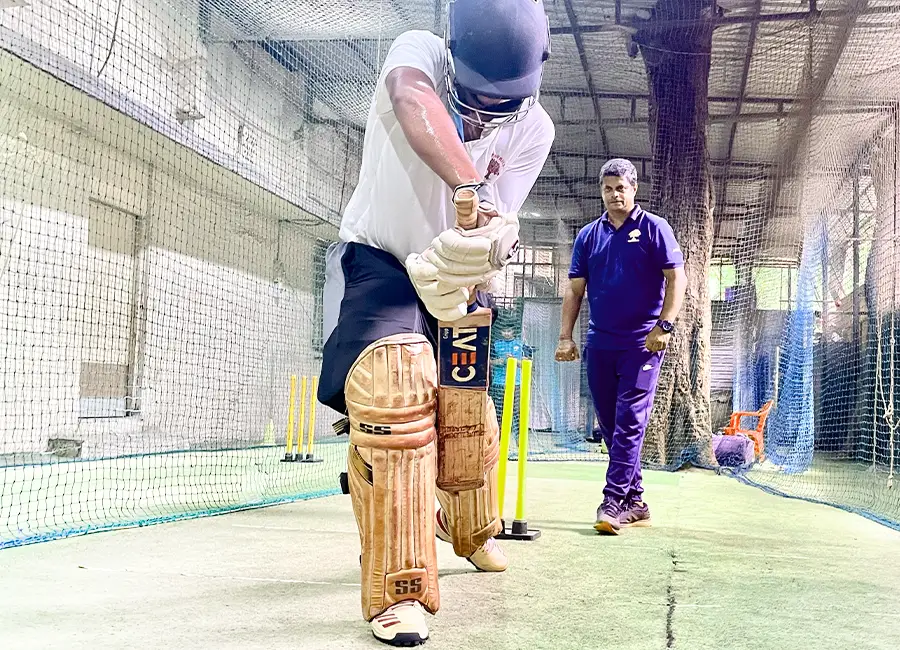
Cricket coaching drills for beginners are essential for anyone starting their journey in this exciting sport. Whether it’s learning proper batting techniques, understanding bowling mechanics, or improving fielding agility, structured drills provide the foundation for skill development.
Beginners often feel overwhelmed with the complexity of cricket, but focusing on the right drills ensures steady progress. This guide outlines practical, easy-to-follow exercises that help new players gain confidence and enjoy the learning process while laying a solid technical foundation.
Understanding the Basics of Cricket
Before diving into cricket coaching drills for beginners, it’s important to grasp the fundamental rules, roles, and objectives of the game. Cricket involves batting, bowling, and fielding, with each role requiring specific techniques.
Beginners should focus on understanding scoring, how wickets work, and the importance of positioning on the field. This foundational knowledge ensures that subsequent drills are effective and meaningful, making learning more structured and enjoyable.
Batting Drills for Beginners
One of the most popular categories in cricket coaching drills for beginners is batting practice. Simple exercises help improve hand-eye coordination, footwork, and shot selection.
For example, practicing defensive strokes with a soft ball against a wall teaches timing and control. Beginners can also use cone drills to simulate running between wickets, enhancing speed and awareness. Realistic drills build muscle memory and prepare young players for actual match scenarios.
Bowling Drills for Beginners
Cricket coaching drills for beginners also emphasize bowling fundamentals. Beginners must learn proper grip, wrist position, and run-up techniques.
A basic drill involves focusing on target accuracy by bowling at markers or cones. Short run-up exercises help maintain balance and rhythm, while practicing different line and length combinations teaches beginners how to control the ball. Gradually increasing difficulty ensures steady skill development.
Fielding Drills for Beginners
Fielding is often overlooked but is crucial in cricket coaching drills for beginners. Quick reflexes, agility, and accurate throwing are essential for saving runs and taking wickets.
Simple exercises include catching drills with tennis balls, practicing ground fielding using cones, and relay-style throwing exercises. These drills build confidence, improve coordination, and teach beginners how to anticipate and react to the ball during a match.
Footwork and Agility
Agility forms the backbone of all cricket skills, making it a key focus in cricket coaching drills for beginners. Good footwork enhances batting, bowling, and fielding performance.
Drills like ladder exercises, shuttle runs, and side-to-side movements improve speed and balance. For batting, practicing foot placement while moving forward or backward allows beginners to handle different deliveries effectively. Enhanced agility helps players stay versatile on the field.
Soft Ball and Modified Equipment
Using soft balls or modified equipment is recommended in cricket coaching drills for beginners. It reduces the risk of injury while allowing beginners to practice confidently.
Soft ball drills help improve timing, catching, and throwing without fear, making learning more enjoyable. Bats with lighter weight and smaller grips assist in building correct techniques gradually, preparing beginners for real-match equipment in the future.
Partner and Group Drills
Working with partners or small groups enhances learning in cricket coaching drills for beginners. Partner drills include throw-and-catch exercises, bowling to a teammate, or batting practice with feedback.
Group drills simulate match situations, encouraging teamwork, communication, and strategic thinking. These exercises not only develop individual skills but also teach beginners the importance of collaboration and positioning during a game.
Warm-Up and Cool-Down Exercises
Incorporating warm-up and cool-down exercises is an essential part of cricket coaching drills for beginners. Proper stretching, mobility routines, and light cardio reduce the risk of injury and prepare muscles for practice sessions.
Cool-down exercises help prevent stiffness and promote recovery after drills. Encouraging beginners to follow these routines instills professional habits from the start, supporting long-term physical development.
Tracking Progress
Monitoring improvement is vital in cricket coaching drills for beginners. Keeping track of batting averages, bowling accuracy, or fielding consistency motivates players and highlights areas needing attention.
Beginners can record sessions, review techniques, and set achievable goals for each practice. Structured progress tracking helps build confidence, maintains focus, and creates a sense of accomplishment, encouraging continuous learning.
Combining Drills with Match Practice
While drills build technical skills, incorporating real match scenarios enhances practical understanding in cricket coaching drills for beginners. Small-sided games, simulated overs, or intra-team matches allow beginners to apply learned skills under realistic conditions.
These exercises teach decision-making, shot selection, and situational awareness. Combining drills with game practice ensures beginners develop both technique and tactical understanding simultaneously.
Mental Preparation and Focus
Cricket is as much a mental game as a physical one. Effective cricket coaching drills for beginners also address focus, concentration, and strategic thinking.
Visualization exercises, match simulations, and scenario planning help beginners anticipate challenges and make informed decisions during play. Cultivating mental resilience ensures beginners approach each session and match with confidence and clarity.
Real-Life Examples of Progress
Consider a beginner attending weekly coaching sessions, focusing on cricket coaching drills for beginners like basic batting, target bowling, and fielding exercises. Within a few weeks, improvements in timing, accuracy, and footwork become evident.
These small victories boost morale, encourage consistent practice, and show the effectiveness of structured drills. Sharing these experiences with peers and coaches reinforces learning and fosters a positive training environment.
Safety and Injury Prevention
Safety is a critical element in cricket coaching drills for beginners. Wearing helmets, pads, gloves, and protective gear during drills reduces the risk of injury.
Ensuring proper technique, avoiding overexertion, and taking breaks when necessary helps beginners enjoy practice safely. Prioritizing safety instills discipline and promotes long-term participation in the sport.
Encouraging Passion and Enjoyment
Finally, the ultimate goal of cricket coaching drills for beginners is to nurture a love for the game. Fun, engaging drills combined with positive reinforcement encourage beginners to continue practicing and exploring cricket.
By celebrating small achievements, providing constructive feedback, and introducing varied exercises, coaches create an environment where beginners develop both skills and passion. Early positive experiences inspire lifelong engagement with cricket.
Read also:
india national cricket team vs england cricket team timeline
pakistan national cricket team vs south africa national cricket team timeline
south africa national cricket team vs pakistan national cricket team timeline
australian men’s cricket team vs sri lanka national cricket team match scorecard