
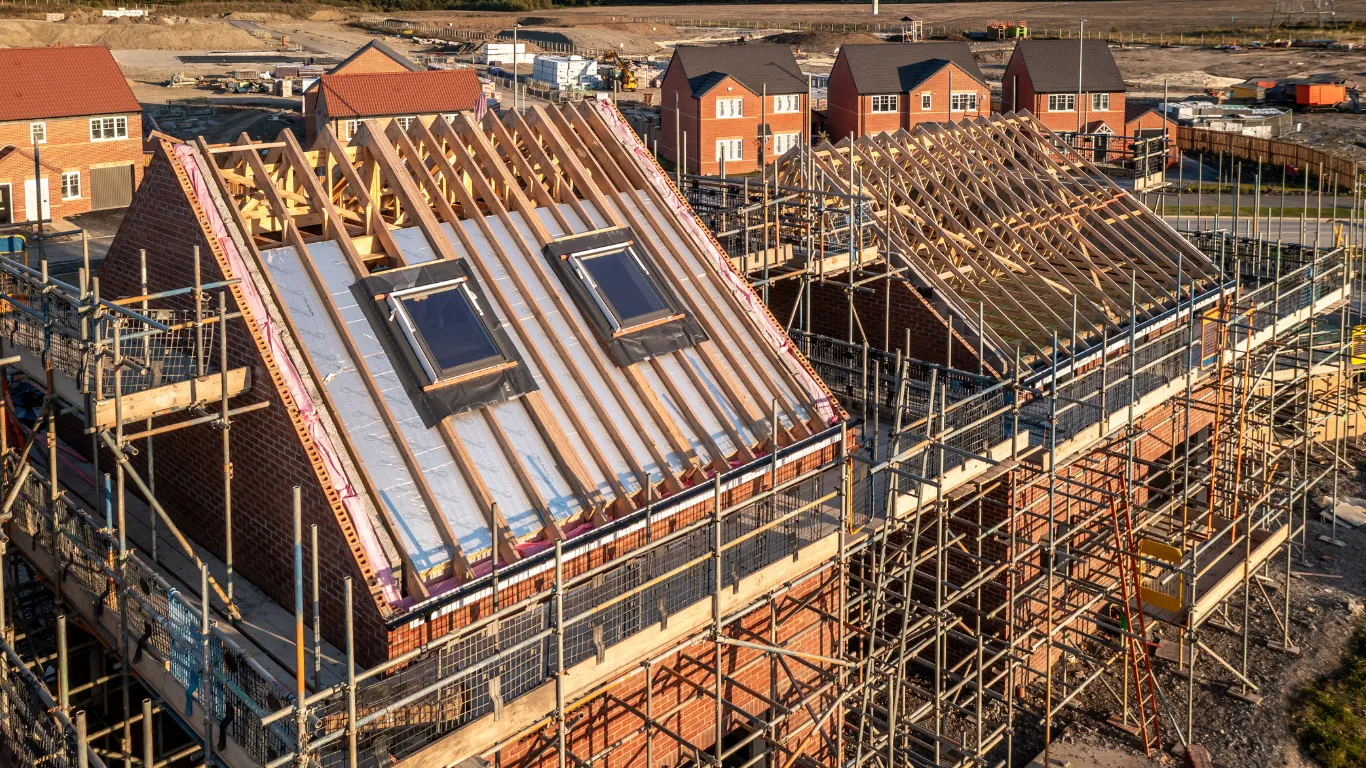
Sustainable building materials are rapidly transforming the construction industry, allowing architects, builders, and homeowners to create eco-friendly, durable, and energy-efficient structures. By choosing the right materials, it is possible to reduce carbon footprints, conserve natural resources, and enhance long-term building performance.
For example, a real estate developer in Bangalore decided to construct a residential complex using bamboo, recycled steel, and low-VOC paints. By incorporating sustainable building materials, the project not only achieved LEED certification but also attracted environmentally conscious buyers, demonstrating both ecological and financial benefits.
The trend toward sustainability in construction reflects growing global awareness of environmental challenges. With climate change and resource scarcity becoming pressing concerns, sustainable building materials are no longer optional—they are essential for responsible architecture.
Understanding Sustainable Building Materials
At its core, sustainability in building materials means choosing options that have minimal environmental impact across their lifecycle—from extraction and manufacturing to usage and disposal.
Materials like bamboo, reclaimed wood, recycled metals, and fly ash concrete reduce reliance on virgin resources. They often require less energy to produce and may even help sequester carbon, contributing to a greener footprint.
Choosing these materials requires understanding their properties, durability, and compatibility with local climate conditions. This ensures that eco-friendly choices do not compromise structural integrity or aesthetic appeal.
Benefits of Using Sustainable Building Materials
One of the primary advantages is environmental protection. By reducing raw material extraction and lowering energy consumption, builders minimize ecological disruption.
Energy efficiency is another key benefit. Insulating materials like hempcrete or recycled cellulose improve thermal performance, reducing the need for artificial heating and cooling. This lowers operational costs over the building’s life.
Health benefits also arise from sustainable options. Materials with low volatile organic compounds (VOCs) enhance indoor air quality, creating healthier living spaces.
Innovative Examples of Sustainable Materials
Bamboo is an increasingly popular alternative to timber due to its rapid growth and strength. Reclaimed wood salvaged from old buildings offers a rustic aesthetic while conserving forests.
Recycled steel is durable, requires less energy to produce than virgin steel, and can be reused multiple times without losing strength. Fly ash concrete incorporates byproducts from power plants, reducing cement use and lowering greenhouse gas emissions.
Even natural paints, tiles made from recycled glass, and insulation made from recycled paper are part of the modern sustainable material toolkit.
Cost Implications and Long-Term Savings
Although sustainable building materials sometimes come with higher upfront costs, they offer significant long-term savings. Energy-efficient buildings reduce utility bills, and durable materials lower maintenance and replacement costs.
Financial incentives, government subsidies, and green certification programs further offset initial expenses, making eco-friendly construction economically viable for developers and homeowners alike.
Case Study: Green Residential Projects
In Pune, a developer constructed a multi-story apartment complex primarily using bamboo flooring, recycled concrete, and low-energy LED lighting. Using sustainable building materials, the project achieved 30% lower energy consumption compared to traditional buildings.
Residents reported improved indoor air quality and thermal comfort. The eco-friendly approach also boosted property value, illustrating the dual advantage of sustainability and profitability.
Role of Technology in Material Innovation
Modern technology plays a significant role in developing and testing sustainable materials. Advanced composites, 3D-printed building components, and engineered bamboo products are examples of innovation.
Smart coatings and nano-materials improve insulation, water resistance, and structural strength while reducing environmental impact. By combining technology with eco-friendly principles, architects can create high-performance, sustainable buildings.
Sustainable Materials in Urban Planning
Urban planners increasingly emphasize the use of sustainable building materials to develop resilient cities. Green roofs, permeable pavements, and energy-efficient facades contribute to overall sustainability at the community level.
These materials not only reduce environmental impact but also enhance urban livability by mitigating heat islands, improving stormwater management, and promoting energy conservation.
Challenges in Adoption
Despite their benefits, challenges exist in adopting sustainable materials. Availability, higher upfront costs, and lack of awareness among builders can slow implementation.
Training and certification programs are vital to ensure proper usage and installation. Collaborations between material manufacturers, architects, and policymakers help overcome these barriers and promote wider adoption.
Health and Safety Considerations
Sustainable materials often improve indoor air quality by minimizing toxic emissions. Low-VOC paints, natural insulation, and non-toxic adhesives contribute to healthier living environments.
Additionally, materials like recycled steel and engineered bamboo are structurally reliable, ensuring safety alongside eco-friendliness. Awareness of installation methods and quality control remains critical to maximize benefits.
Future Trends in Sustainable Building Materials
The next decade will likely see increased use of bio-based composites, carbon-negative materials, and modular prefabrication using recycled components. AI and predictive analytics may guide material selection for optimal performance and environmental impact.
Urban construction may increasingly incorporate circular economy principles, where materials are reused, recycled, or upcycled, further promoting sustainability.
Education and Awareness
Architects, engineers, and homeowners need to stay informed about sustainable materials and best practices. Online courses, industry workshops, and certification programs enhance knowledge and foster adoption of eco-friendly options.
Sustainable building materials are not just technical choices—they represent a commitment to environmental stewardship and social responsibility.
Integrating Sustainability into Design
Design decisions significantly influence material effectiveness. Passive design strategies, energy-efficient layouts, and climate-responsive architecture complement the use of eco-friendly materials.
Material selection should align with design goals, such as natural ventilation, thermal regulation, and aesthetic appeal. Combining thoughtful design with sustainable building materials ensures performance and environmental benefits are maximized.
Global Perspective
Countries across Europe, North America, and Asia are setting ambitious green building standards. Certifications like LEED, BREEAM, and IGBC emphasize material sustainability as a core criterion.
Developers worldwide are responding by sourcing materials responsibly, reducing construction waste, and designing buildings with life-cycle efficiency in mind.
Community and Policy Support
Government policies, subsidies, and tax incentives promote the use of sustainable materials. Public awareness campaigns educate homeowners and builders about environmental and economic benefits.
Collaboration between local authorities, industry players, and communities accelerates adoption, ensuring that sustainability becomes mainstream rather than niche.
Practical Tips for Homeowners
Homeowners can start small by using reclaimed wood, recycled tiles, energy-efficient lighting, and low-VOC paints. Simple steps like insulating walls, using natural ventilation, and installing water-saving fixtures also complement the use of sustainable building materials.
Gradually incorporating eco-friendly options during renovations or new constructions creates a long-term impact on energy savings, comfort, and environmental footprint.
Measuring Impact
Monitoring energy consumption, indoor air quality, and maintenance requirements helps assess the effectiveness of sustainable materials. Feedback loops guide future material selection and improve overall sustainability performance.
Quantifiable results, such as reduced energy bills or lower carbon emissions, provide tangible evidence of the benefits of using sustainable building materials.
Building for Resilience
Eco-friendly materials often contribute to building resilience. Bamboo and engineered timber are flexible in seismic zones, while recycled concrete and steel enhance durability.
Using such materials reduces vulnerability to climate-related events, ensuring safer, longer-lasting structures.
Combining Aesthetics and Functionality
Sustainable materials no longer mean sacrificing aesthetics. Modern bamboo flooring, recycled glass tiles, and eco-friendly paints offer stylish options.
Designers are increasingly showcasing that beauty, comfort, and sustainability can coexist seamlessly, making eco-friendly homes desirable for buyers and residents alike.
Sustainable building materials are revolutionizing the construction industry, enabling environmentally responsible, cost-effective, and aesthetically pleasing buildings while contributing to a greener and more resilient future.
Read also: