
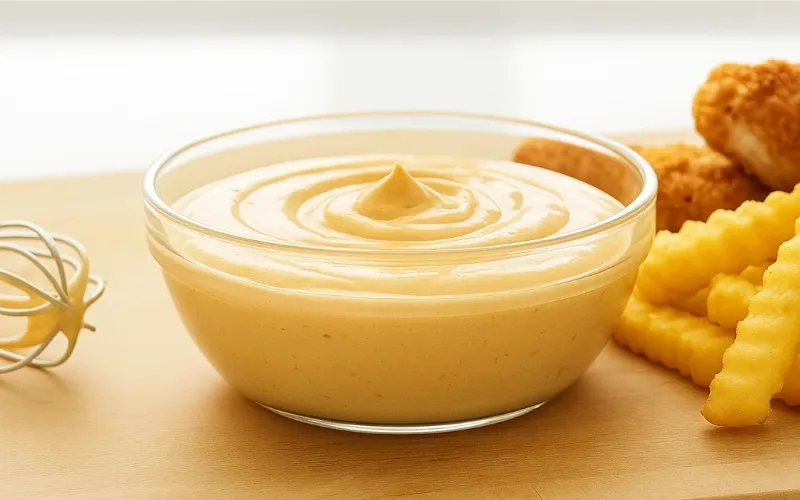
Making sauce at home is useful, but storage needs attention too. At therecipetaste.com, readers can explore practical cooking ideas and sauce preparation tips. A freshly prepared sauce may taste excellent during the meal. Poor storage can change its flavor, texture, and safety afterward. Different sauces contain different ingredients, so they do not all keep equally well. Tomato mixtures, dairy sauces, herb dressings, and mayonnaise based dips need different care. Understanding a few basic habits helps reduce waste and avoid unnecessary problems.
Why Sauce Storage Matters
Sauces often contain ingredients that can change after preparation. Fresh herbs may lose their aroma over time. Dairy products need suitable refrigeration and careful handling. Garlic and chopped vegetables can affect how a mixture should be stored. Oil based dressings may separate when left standing. Tomato sauces can become thicker as they cool. These changes are not always signs of spoilage. However, unusual smell, mold, or unexpected texture should never be ignored. Storage conditions matter as much as the recipe itself. Clean containers and suitable temperatures help protect prepared food. Making smaller batches can also be a practical choice. It reduces the amount left unused after meals.
Choose Clean Containers First
The container should be clean before any sauce goes inside. Wash it properly using suitable dishwashing methods. Rinse away soap and allow the container to dry. A clean container reduces the chance of introducing unwanted material. Glass containers are useful because they do not easily absorb odors. Food safe plastic containers can also work when used correctly. Choose a size that suits the amount being stored. Too much empty space is not always ideal for some mixtures. Secure lids help prevent spills and outside contamination. Avoid using containers with cracks or damaged surfaces. Labeling the container can make later identification easier.
Cool Sauce Before Storage
Hot sauce should not be placed carelessly inside storage containers. Allow it to cool using safe food handling practices. Large quantities may cool more slowly than small portions. Dividing the sauce into smaller containers can help. Do not leave perishable food at room temperature for extended periods. Refrigerate it promptly according to food safety guidance. Avoid sealing very hot mixtures in containers without considering heat and condensation. Follow the storage instructions for the ingredients used. A clean spoon can help transfer sauce without contamination. Once cooled appropriately, close the container securely. This simple routine helps maintain quality after cooking.
Refrigerating Tomato Sauces
Tomato based sauces are common in home kitchens. They may contain fresh tomatoes, garlic, onions, herbs, and oil. These ingredients can change during storage. Place cooled sauce in a clean covered container. Refrigerate it promptly and follow reliable storage guidance. The exact safe storage period depends on preparation and ingredients. Do not assume every tomato sauce lasts equally long. A sauce containing fresh vegetables may behave differently from a simple cooked puree. Use clean utensils when removing portions. Avoid returning unused serving sauce into the main container. Reheat only the quantity needed for the meal. Check the sauce carefully before using leftovers.
Handling Creamy Sauces
Creamy sauces require extra care because they often contain dairy. Milk, cream, yogurt, and cheese are perishable ingredients. Keep these sauces refrigerated when they are not being served. Do not leave a serving bowl outside for long periods. Reheat gently when the recipe allows it. Strong heat can cause some creamy mixtures to separate. Stir slowly and add a little milk if needed. Changes in texture do not always mean the sauce has spoiled. However, an unusual smell or visible mold means it should be discarded. Follow safe food storage recommendations for dairy based preparations. When uncertain about safety, avoid tasting the sauce to check it.
Storing Fresh Herb Sauces
Fresh herb sauces often contain coriander, parsley, basil, mint, or dill. Their flavor can become weaker during storage. Wash herbs properly and dry them before preparation. Extra moisture may change the final texture. Store prepared mixtures in clean covered containers. Refrigeration helps protect perishable ingredients. Some herb sauces contain yogurt or other dairy products. These need particularly careful handling. A little lemon juice may help maintain flavor, but it does not replace refrigeration. Stir the mixture before serving when natural separation occurs. Prepare smaller batches when the recipe depends heavily on fresh herbs. Freshly made versions usually provide the strongest aroma.
Oil And Vinegar Dressings
Oil and vinegar dressings are often easy to prepare ahead. Their ingredients may separate naturally after standing. This is normal for many simple mixtures. Shake or whisk the dressing before serving. Mustard can help some mixtures stay combined for longer. Store dressings in clean containers with secure lids. Refrigeration may make some oils cloudy or thicker. Allow the dressing to stand briefly when appropriate, then stir again. Check the ingredients because fresh garlic and herbs can change storage needs. Do not assume an oil based dressing is automatically safe at room temperature. Use suitable refrigeration when the recipe contains perishable additions.
Freezing Suitable Sauces
Some sauces can be frozen for later use. Tomato based mixtures often work well when prepared and cooled properly. Divide the sauce into meal sized portions before freezing. Use containers or bags suitable for freezer storage. Leave enough space for expansion when using rigid containers. Label each portion with its name and preparation date. This makes it easier to identify older food. Thaw frozen sauce safely using recommended methods. Avoid leaving it on the counter for extended periods. Texture may change after freezing, especially with dairy ingredients. Stir thoroughly after reheating when suitable. Not every sauce freezes well, so test a small portion first.
Avoiding Cross Contamination
Cross contamination can happen when utensils touch different foods. A spoon used with raw ingredients should not return to finished sauce. Keep preparation tools clean throughout cooking. Use separate utensils for serving and storage. Do not place used spoons back into the main container. Raw meat marinades need special attention. Never use marinade that touched raw meat as a ready to serve dip. If a recipe requires using it again, follow safe cooking instructions. Keep raw and cooked ingredients separate. Clean work surfaces after preparing raw foods. These habits are simple but important for kitchen safety.
Understanding Changes In Texture
Sauce texture can change during cooling and storage. Creamy mixtures may become thicker inside the refrigerator. Oil and vinegar dressings may separate into layers. Tomato sauces can become more concentrated as moisture reduces. These changes are not always signs of spoilage. Stirring can restore some mixtures to a smoother consistency. Add suitable liquid gradually when a sauce becomes too thick. Do not try to fix a mixture that shows clear signs of spoilage. Mold, unusual odor, and unexpected changes should be taken seriously. Use the recipe ingredients to decide whether texture changes are expected. When safety is uncertain, discard the sauce.
Keeping Flavor Balanced
Some sauces taste stronger after resting for several hours. Garlic, onion, chili, and herbs can develop more noticeable flavors. A dressing that tasted mild initially may become sharper later. This is one reason to season gradually. Avoid adding too much salt before storage. Strong ingredients can become more noticeable as the mixture rests. Taste a fresh portion before serving when the sauce has been stored safely. Make adjustments only when the sauce remains suitable to eat. A little lemon, water, or base ingredient may improve balance. Avoid making large changes without tasting again. Careful seasoning helps maintain a pleasant flavor.
Make Smaller Batches
Preparing large quantities is not always the most practical choice. A small batch can be enough for one meal. It also reduces the amount that needs storage. This is useful when testing a new recipe. You can adjust the next batch after learning what worked. Smaller portions cool and store more conveniently. They are also easier to label and manage. If a sauce is popular, prepare more next time. Avoid keeping large leftovers simply because the ingredients were inexpensive. Fresh preparation often gives better results. Planning the amount before cooking can reduce waste.
Label And Organize Containers
Labels help identify sauces stored inside the refrigerator. Write the sauce name and preparation date clearly. This is useful when several containers look similar. Place newer items behind older suitable items when organizing shelves. Use older portions first when they remain within safe storage guidance. Keep lids closed to prevent spills and odors. Do not rely on memory when storing several homemade recipes. A simple label can prevent confusion later. Clean the storage area regularly. Remove containers that are no longer suitable. Good organization makes everyday cooking easier.
Conclusion
Proper sauce storage protects flavor, texture, and food safety. Clean containers, prompt refrigeration, and careful handling all matter. Different recipes need different storage methods because ingredients vary. Dairy sauces require special care, while some tomato sauces may freeze well. Label containers and prepare portions that suit your meals. Never ignore signs of spoilage or uncertain storage conditions. Small habits can reduce waste and make cooking more practical. Visit therecipetaste.com for more helpful recipes and kitchen ideas. Prepare sauces carefully, store them properly, and enjoy fresh flavors with confidence.
Read also :-