
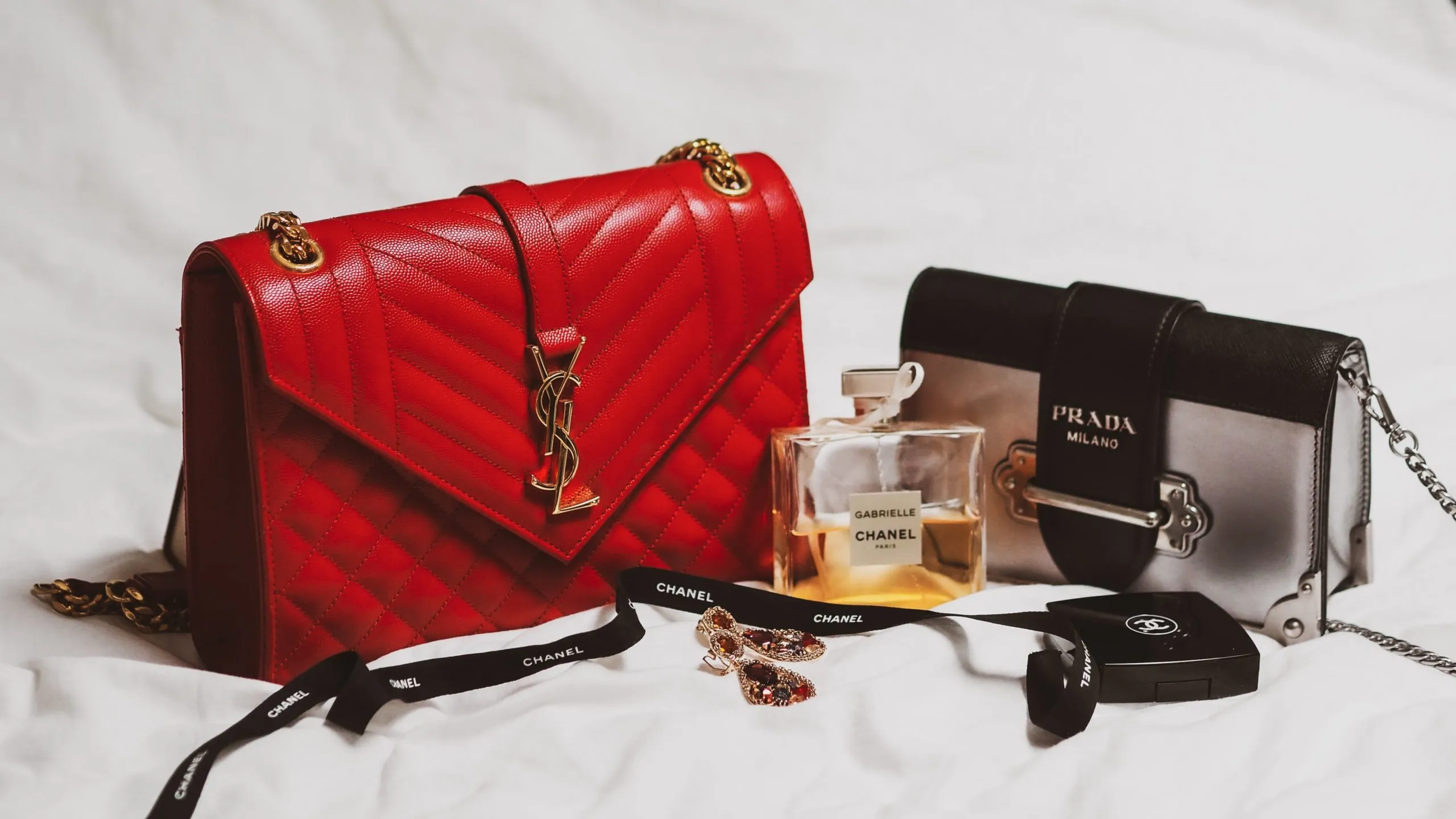
Luxury resale market dynamics have completely reshaped how people think about designer fashion, investment pieces, and sustainability. Not long ago, buying secondhand luxury was something whispered about, often associated with hidden thrift store gems or private collector circles. Today, it’s a booming global industry driven by digital platforms, changing consumer values, and smart financial thinking.
Walk into a café in Paris, Mumbai, or New York, and you might see someone proudly carrying a pre-owned designer handbag. There’s no stigma anymore. In fact, for many shoppers, scoring a rare archival piece or limited-edition item through resale feels even more exciting than buying brand-new.
The shift is cultural, economic, and environmental all at once. And it’s happening faster than most traditional fashion houses ever expected.
Table of Contents
ToggleThe Rise of the Luxury Resale Market
The growth of the Luxury resale market didn’t happen overnight. It evolved alongside the rise of e-commerce and digital authentication technologies. Online platforms created safe spaces for buyers and sellers to connect globally.
What once required visiting consignment boutiques now happens through curated apps and verified marketplaces. High-resolution photos, detailed condition reports, and professional authentication services have increased buyer confidence dramatically.
Younger consumers, especially Millennials and Gen Z, have fueled much of this growth. They value access over ownership and are more comfortable purchasing pre-owned goods online. For them, resale is not just about saving money; it’s about conscious consumption.
The resale industry has also benefited from increased transparency in pricing. Buyers can compare listings, track historical values, and make informed decisions in ways that were impossible in traditional boutique settings.
Why Consumers Are Embracing the Luxury Resale Market
One of the strongest drivers behind the Luxury resale market is affordability. Designer items that once seemed out of reach become accessible through resale at reduced prices. A handbag originally priced at thousands of dollars may appear at a more attainable rate.
But affordability is only part of the story. Sustainability plays a major role. The fashion industry has faced intense scrutiny over environmental impact. Buying pre-owned extends the lifecycle of products and reduces waste.
There’s also the thrill factor. Finding a rare vintage Chanel jacket or discontinued Louis Vuitton piece feels like uncovering hidden treasure. Shoppers often describe resale purchases as more personal and meaningful than traditional retail buys.
In addition, resale allows consumers to experiment with style without long-term commitment. If tastes change, they can resell items and recover part of their investment.
Investment Value in the Luxury Resale Market
Many shoppers now view high-end fashion as an alternative asset class. Certain items retain or even increase in value over time.
Classic handbags from Hermès, limited-edition sneakers, and rare watches frequently perform well in resale environments. Some collectors carefully track release dates, production numbers, and condition ratings.
The Luxury resale market provides liquidity. Owners can convert designer pieces into cash more easily than in the past. Platforms streamline the process by offering valuation tools and direct buyout options.
However, not every luxury item appreciates. Market knowledge is essential. Condition, authenticity, and brand reputation significantly influence resale value.
Buyers and sellers who approach transactions with research and realistic expectations tend to benefit most.
Technology and Trust in the Luxury Resale Market
Trust is the backbone of resale success. Without authentication systems, the risk of counterfeits would undermine buyer confidence.
Advanced authentication methods now combine expert human evaluation with AI-powered image recognition. Serial numbers, stitching patterns, hardware engravings, and material quality are carefully examined.
Some platforms issue digital authenticity certificates. These records remain accessible for future resale transactions, increasing transparency.
The integration of blockchain technology has also been explored to create permanent ownership histories. While adoption is still developing, it represents a promising solution to fraud concerns.
In the Luxury resale market, credibility is everything. Platforms that prioritize rigorous verification procedures earn long-term loyalty.
Changing Brand Perceptions
Luxury brands initially viewed resale platforms with skepticism. There were concerns about brand dilution and loss of control over pricing.
Over time, perspectives have shifted. Some brands now partner with resale companies or launch their own certified pre-owned programs. They recognize that resale can attract new customers who may later purchase directly from retail boutiques.
Resale also strengthens brand longevity. Iconic pieces remain visible and desirable years after initial release.
The presence of strong resale value can enhance a brand’s prestige. When consumers see that items maintain worth over time, confidence in craftsmanship increases.
Sustainability and Circular Fashion
The environmental conversation surrounding fashion has become unavoidable. Fast fashion’s impact on landfills and resource consumption has prompted consumers to reconsider purchasing habits.
The Luxury resale market supports circular fashion by keeping high-quality items in circulation. Instead of discarding garments, owners pass them to new users.
Luxury goods are often constructed with durable materials designed to last decades. Resale maximizes that lifespan.
Many shoppers now prioritize brands known for quality and repairability, knowing these characteristics improve future resale potential.
Sustainability messaging resonates strongly with younger buyers who align purchases with personal values.
The Role of Social Media
Social media has amplified resale culture. Influencers regularly share “pre-loved luxury hauls,” showcasing vintage finds and unique archival pieces.
Online communities discuss authentication tips, pricing trends, and styling ideas. This shared knowledge empowers buyers and reduces uncertainty.
Visual platforms like Instagram and TikTok turn resale into entertainment. Unboxing videos and thrift transformations generate excitement and normalize secondhand shopping.
The aspirational appeal of luxury remains intact, but the pathway to ownership feels more inclusive.
Challenges Facing the Luxury Resale Market
Despite rapid growth, challenges remain. Counterfeit goods continue to circulate in less regulated spaces. Consumers must choose reputable platforms to minimize risk.
Pricing volatility can also create confusion. Market demand shifts based on trends, celebrity endorsements, and economic conditions.
Additionally, some buyers worry about product condition. Even minor wear can impact perceived value. Detailed condition grading systems help address these concerns.
Logistics and international shipping present further complexities. Import duties and customs regulations may affect cross-border transactions.
Navigating the Luxury resale market requires awareness and research, particularly for high-value items.
Global Expansion of the Luxury Resale Market
The resale industry is expanding beyond traditional fashion capitals. Emerging markets in Asia, the Middle East, and Latin America show strong growth potential.
Digital platforms remove geographic barriers, allowing buyers from smaller cities to access global inventories.
Cultural attitudes toward secondhand goods are evolving. What was once considered undesirable is now viewed as smart and sustainable.
International demand also diversifies inventory. Regional preferences influence which brands and styles perform best.
As global connectivity increases, the Luxury resale market continues to adapt and grow.
The Psychology of Pre-Owned Luxury
There’s a unique emotional element to resale shopping. Buyers often feel they’re part of a garment’s ongoing story.
Owning a vintage piece with history can feel more meaningful than purchasing something new. It’s a connection to craftsmanship from a specific era.
Some consumers enjoy the sense of exclusivity. Limited items no longer available in stores become status symbols within fashion communities.
The shift from “used” to “pre-loved” reflects a broader cultural change in perception.
EEAT and Building Credibility in the Luxury Resale Market
Experience matters deeply in resale. Platforms with years of authentication expertise gain authority in the eyes of consumers.
Expert appraisers, transparent pricing policies, and clear return procedures enhance trustworthiness.
Educational content also strengthens credibility. Guides explaining how to spot fakes or evaluate condition demonstrate commitment to consumer protection.
Applying EEAT principles ensures responsible growth within the Luxury resale market. Accurate information, ethical business practices, and verified expertise foster sustainable trust.
Future Outlook and Innovation
Technology will continue shaping resale evolution. AI-powered pricing tools may offer real-time valuation adjustments based on demand.
Augmented reality could allow buyers to virtually “try on” handbags or watches before purchase.
Subscription-based resale models might emerge, enabling consumers to rotate luxury pieces regularly.
Partnerships between luxury houses and resale platforms are likely to increase, further legitimizing the sector.
The cultural shift toward mindful consumption shows no signs of slowing down. As fashion continues to intersect with finance, sustainability, and digital innovation, resale stands at the center of transformation.
The Luxury resale market is no longer a secondary channel within fashion. It has become a powerful ecosystem influencing how people shop, invest, and express personal style in an increasingly conscious world.
Read also :-