
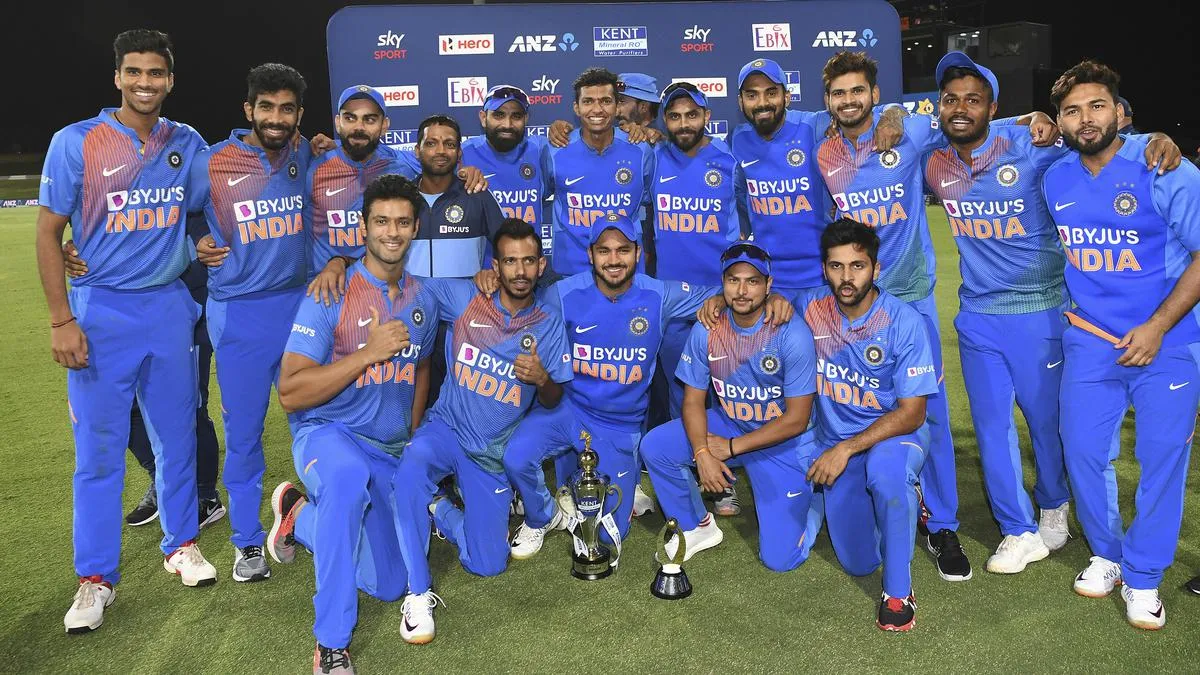
India A Team Matches serve as the essential bridge between domestic cricket excellence and the pressures of international competition, providing talented Indian cricketers with invaluable exposure to overseas conditions, quality opposition, and match situations that closely replicate the challenges they’ll face wearing the senior India jersey. These matches represent far more than practice games, functioning as intensive assessment grounds where selectors evaluate whether promising domestic performers possess the additional qualities required for international success.
I remember watching Rishabh Pant’s explosive century for India A against England Lions in 2018, thinking this audacious young wicketkeeper-batsman was still years away from the Indian team. Six months later, he was keeping wickets in Test matches in England, and that fearless India A hundred suddenly looked like a preview of the international star he would become. That experience taught me that India A performances often provide the clearest window into which domestic talents are genuinely ready for the international stage versus those who need more seasoning.
Understanding the Structure and Purpose of India A Cricket
India A operates as the second-tier national team, positioned between domestic first-class cricket and the senior international side. This intermediate level allows players to experience international-standard cricket without the intense scrutiny and pressure accompanying senior team appearances.
The selection criteria for India A typically emphasize domestic performance combined with potential for senior team graduation. Players consistently dominating Ranji Trophy, Duleep Trophy, and limited-overs domestic competitions receive India A opportunities, though selections also consider age, position-specific needs, and developmental trajectories.
India A tours occur throughout the calendar year, with teams traveling to various countries for multi-format series against host nations’ A teams or second-tier sides. These tours expose Indian players to unfamiliar conditions including bouncy Australian pitches, swinging English conditions, and spinning Asian tracks different from those at home.
The coaching staff for India A teams usually includes experienced former players and current support staff from the senior setup. This continuity ensures players learn systems, strategies, and expectations that will apply when they graduate to the senior team, smoothing their eventual transition.
Match formats across India A tours typically mirror international cricket, including multi-day matches replicating Test cricket and limited-overs contests preparing players for ODI and T20I demands. This format variety develops well-rounded cricketers capable of succeeding across all international formats.
The Selection Process for India A Team Matches
Domestic performance forms the primary basis for India A selection, with selectors closely monitoring Ranji Trophy performances, Irani Cup displays, and contributions in limited-overs tournaments. Consistent run-scoring or wicket-taking across multiple domestic seasons typically precedes India A call-ups.
Age considerations influence selection decisions as selectors balance developing young talents against giving opportunities to established domestic performers who haven’t cracked the senior team. Players in their early twenties with promising domestic records often receive preference over equally accomplished players in their late twenties.
Position-specific needs drive certain selections when India A tours aim to develop depth in particular roles. If India lacks backup opening batsmen or death-over bowlers, selectors might prioritize these positions when assembling India A squads regardless of whether selected players have the strongest overall domestic records.
Form and fitness assessments conducted by the BCCI’s medical and support staff ensure selected players can handle the physical demands of international cricket. Players with injury concerns or fitness deficits might miss India A selection despite strong domestic performances until they demonstrate complete recovery and conditioning.
The National Cricket Academy in Bangalore plays a crucial role in identifying and recommending talents for India A Team Matches. NCA coaches work closely with players during rehabilitation, skill development, and conditioning phases, providing selection committees with detailed reports on player readiness for higher-level cricket.
Key Performance Indicators Selectors Monitor During India A Tours
Batting technique against quality pace and spin bowling receives intense scrutiny during India A matches. Selectors observe whether players can handle extra pace, bounce, and movement compared to domestic cricket, and whether their defensive techniques remain sound under pressure from international-quality bowlers.
Mental resilience and pressure handling become evident through India A performances, particularly during challenging match situations. How players respond to early dismissals, handle crucial partnerships, or perform when matches are tightly contested reveals psychological strengths and weaknesses difficult to assess in domestic cricket.
Adaptability to unfamiliar conditions represents a critical evaluation criterion because international cricket demands success across varied environments. A batsman dominating on Indian pitches must prove they can adjust to bouncy Australian surfaces or swinging English conditions to convince selectors of their international viability.
Leadership qualities emerge naturally during India A tours as players find themselves in positions requiring decision-making, communication, and responsibility. Even non-captains reveal leadership potential through how they guide younger teammates, support struggling players, and contribute to team culture.
Fitness and professionalism standards at the India A level exceed domestic cricket expectations, and selectors monitor whether players meet these elevated standards. Commitment to training, recovery protocols, dietary discipline, and overall professional approach all factor into assessments about readiness for senior team environments.
Historical Success Stories: From India A to International Stardom
Virat Kohli’s journey through India A cricket exemplifies how these matches prepare future stars for international success. His performances for India A, particularly on tours to Australia and England, demonstrated the technical skills and mental toughness that later defined his legendary international career.
Jasprit Bumrah developed his unique bowling action and death-over skills through India A tours before becoming one of world cricket’s finest fast bowlers. The experience facing quality batsmen in pressure situations during India A matches honed his skills for the international stage.
Rohit Sharma’s India A performances helped him eventually find his ideal opening batting role despite initially struggling in the middle order for the senior team. India A cricket provided the experimental space for trying new positions and approaches without the intense pressure of senior international cricket.
KL Rahul used India A opportunities to showcase his versatility across formats and batting positions. His impressive performances in India A Team Matches across overseas tours convinced selectors he possessed the technical completeness and adaptability international cricket demands.
Hardik Pandya’s explosive batting and useful pace bowling first gained serious attention through India A performances where he demonstrated the all-round capabilities that made him invaluable to India’s limited-overs teams. India A cricket provided the platform for showcasing skills that domestic cricket sometimes doesn’t fully reveal.
Current India A Team Matches and Their Strategic Importance
Ongoing India A tours continue providing crucial development opportunities for the next generation of Indian cricketers. Recent tours to places like South Africa, England, and Australia expose young Indian talents to conditions they’ll eventually face as senior internationals.
The scheduling of India A tours often aligns strategically with upcoming senior team commitments. Before India tours a particular country, India A might tour there first, allowing potential debutants to familiarize themselves with local conditions, giving them advantages when they graduate to the senior squad.
India A matches against other nations’ A teams create competitive intensity approaching international standards. Countries like England, Australia, South Africa, and New Zealand field strong A teams including players with international experience, ensuring India A faces genuine quality opposition.
Multi-format India A series allow comprehensive player assessment across different cricket versions. A player excelling in both the four-day matches and limited-overs contests demonstrates the versatility selectors value when building squads for various international commitments.
The increased media coverage and streaming of India A matches compared to previous years provides fans with opportunities to follow emerging talents. This visibility also adds slight pressure helping players acclimate to performing with audiences watching, preparing them for the intense scrutiny accompanying senior international cricket.
The Development Pathways: From Domestic Cricket to India A
Outstanding Ranji Trophy performances typically precede India A selection for batsmen and bowlers. Players averaging above 50 with the bat or taking wickets at averages below 25 across multiple Ranji seasons position themselves as strong India A candidates.
Duleep Trophy success, particularly strong performances in the final or against quality opposition, often accelerates India A selection. This zonal tournament brings together the best domestic players, and excelling at this level demonstrates the ability to succeed against concentrated talent.
National Cricket Academy attendance allows players to work intensively with specialized coaches on technical refinements while showcasing skills directly to selectors and support staff. Many India A selections emerge from NCA programs where players have demonstrated commitment to improvement and capacity to implement coaching feedback.
Age-group international success for India’s Under-19 team creates pathways toward India A cricket. Young players who excel in Under-19 World Cups or bilateral series often fast-track to India A as selectors invest in developing talents who’ve already proven themselves against international opposition, even if at junior levels.
Domestic limited-overs success in tournaments like the Vijay Hazare Trophy and Syed Mushtaq Ali Trophy opens India A opportunities for white-ball specialists. Players with exceptional limited-overs records but modest first-class statistics might receive India A call-ups specifically for white-ball tours.
Challenges Players Face During India A Team Matches
The quality gap between domestic cricket and India A cricket can surprise even accomplished domestic performers. Bowlers at India A level typically bowl faster, spin the ball more, and execute plans more effectively than most domestic opposition, requiring significant adjustments from batsmen.
Pressure management becomes more challenging because India A performances directly influence international selection. Unlike domestic cricket where individual seasons exist somewhat independently, every India A innings or bowling spell receives intense scrutiny from selectors evaluating international readiness.
Unfamiliar conditions abroad test players in ways home domestic cricket cannot replicate. Indian batsmen accustomed to slow, low turning tracks must adjust to bouncy pitches offering pace and carry. Spinners used to assistance from pitches must learn to extract turn from unresponsive surfaces.
Team dynamics within India A squads can prove complex because players are simultaneously teammates and competitors for limited senior team positions. This competitive tension must be managed carefully to maintain team unity while pursuing individual success.
The physical demands of international-standard cricket exceed domestic cricket intensity. Fielding standards, running between wickets, conditioning expectations, and recovery protocols all operate at higher levels requiring physical and mental adaptation.
How India A Team Matches Influence Senior Team Selection
Consistent strong performances across multiple India A Team Matches and tours build compelling cases for senior team selection. Selectors gain confidence in players who repeatedly succeed at this level, knowing they’ve faced quality opposition and handled pressure situations successfully.
Position-specific shortages in the senior team create accelerated pathways from India A to international cricket. When India needs backup in particular positions due to injuries, retirements, or form issues, selectors first examine recent India A performances identifying players ready to step up.
Format-specific selections sometimes occur when players excel in particular formats during India A tours. A batsman dominating four-day matches might receive Test opportunities while someone excelling in limited-overs India A cricket might debut in ODIs or T20Is.
Injury replacements during tours frequently come from players who recently represented India A, particularly if those tours occurred in similar conditions. A player who just toured South Africa with India A becomes an obvious choice to replace an injured senior team member during India’s tour of South Africa.
Selectors sometimes use India A matches as final evaluations before major tournaments or crucial series. Players on the fringes of senior team selection might receive India A opportunities immediately before major events, with their performances potentially earning last-minute inclusions in senior squads.
The Role of India A Matches in Building Squad Depth
Developing quality backups for every position in the senior team requires systematic progression through India A cricket. Strong India A programs create depth charts where multiple players could reasonably step into senior roles, reducing vulnerability when first-choice players are unavailable.
India A cricket identifies specialists who might not be all-format players but excel in specific roles. A death-over specialist bowler or powerplay-hitting batsman might find their niche through India A performances even if their overall records don’t match classical all-format players.
Creating competitive selection pressure through strong India A performances keeps senior team players sharp. When senior players know talented backups are performing exceptionally well for India A, complacency decreases as everyone understands they must maintain standards to retain positions.
India A success abroad specifically prepares players for conditions they’ll face in overseas Test series. Having players with previous experience in England, Australia, or South Africa through India A tours creates readiness that parachuting domestic players directly into overseas Tests cannot replicate.
The continuity of systems and strategies between India A and the senior team means players graduating to international cricket already understand team philosophies, tactical approaches, and cultural expectations. This familiarity accelerates their integration into the senior setup.
Statistical Benchmarks Indicating India A Success
Batting averages above 40 in India A four-day matches suggest players are adjusting successfully to elevated competition levels. This benchmark indicates consistent run-scoring against quality bowling attacks in conditions often more challenging than domestic cricket.
For bowlers, averages below 28 with strike rates under 55 in India A matches demonstrate wicket-taking ability at economical rates against better batting lineups. These metrics separate those genuinely succeeding from those merely surviving against tougher opposition.
Conversion rates of fifties into hundreds reveal batsmen’s ability to build substantial innings under pressure. High conversion rates during India A Team Matches indicate the concentration, fitness, and skill required for Test cricket where big hundreds prove more valuable than accumulating fifties.
Economy rates for limited-overs bowlers during India A white-ball matches reveal control and pressure-building abilities. Economy rates under 5.5 in 50-over cricket and under 8 in T20 cricket suggest bowlers can restrict quality batting lineups.
Fielding contributions including catches taken, run-outs effected, and athleticism displayed during India A matches receive increasing attention. Modern international cricket values excellent fielding, and India A tours provide contexts for evaluating these skills against quality opposition.
Training and Preparation for India A Tours
Pre-tour camps at the National Cricket Academy allow India A squads to train together, work on specific skills, and acclimate to each other before departing. These camps build team cohesion while allowing coaching staff to assess player readiness and address any concerns.
Skill-specific training during these camps targets anticipated tour conditions. Before tours to Australia, batsmen might practice against extra pace and bounce. Before England tours, players work on playing swinging conditions. This targeted preparation improves performance likelihood once tours begin.
Video analysis of opposition A teams and conditions helps players understand what challenges await. Studying how opposition bowlers operate, what fields they set, and how batsmen score provides tactical advantages once matches begin.
Fitness testing ensures all selected players meet the physical standards required for international-level cricket. Strength assessments, sprint tests, endurance evaluation, and flexibility screening identify any deficiencies requiring attention before tours commence.
Mental skills training including visualization, pressure simulation, and sports psychology sessions prepare players for the psychological demands of performing under scrutiny. India A tours generate pressure, and mental preparation helps players handle this effectively.
The Business and Administrative Aspects of India A Cricket
BCCI funding for India A tours ensures players receive professional support including quality accommodation, travel arrangements, medical staff, and coaching expertise. This investment reflects recognition of India A cricket’s importance in developing the next generation of Indian internationals.
Broadcasting deals and streaming arrangements for India A matches provide revenue while increasing visibility. More fans following India A cricket creates commercial value that can be reinvested in player development and tour organization.
Bilateral agreements between cricket boards facilitate India A tours to various countries. These diplomatic arrangements ensure reciprocal hosting opportunities while maintaining relationships between cricket administrations globally.
Player contracts and compensation for India A cricketers have improved significantly, recognizing their professional status and the career opportunities they’re foregoing to represent India A. While still below senior team earnings, India A payments reflect the program’s importance.
The logistical coordination required for India A tours involves complex planning around visas, travel schedules, practice facilities, accommodation, and match venues. Efficient administration ensures players can focus on cricket rather than dealing with off-field complications.
Future Directions for India A Cricket Programs
Increased tour frequency would provide more opportunities for emerging talents to prove themselves at this level. More India A matches means more comprehensive player evaluations and faster identification of those ready for senior team graduation.
Women’s India A cricket deserves expanded investment and tour scheduling. Developing strong India A programs for women’s cricket will strengthen the talent pipeline supporting India’s women’s national team ambitions.
Integration of advanced analytics and performance tracking in India A Team Matches would provide even more detailed player evaluation. Biomechanical analysis, load monitoring, and sophisticated statistical tracking could enhance both player development and selection decisions.
Creating A-team competitions or tournaments involving multiple nations’ A teams would increase competitive opportunities and variety of opposition. An A-team World Cup or regular multi-nation tournaments would raise the profile and competitive intensity of this cricket tier.
Enhanced media coverage and fan engagement initiatives would build public interest in India A cricket. Creating compelling narratives around emerging players and their development journeys would generate the fan support that ultimately sustains cricket programs financially and culturally.
Read also :-
maharashtra cricket team vs vidarbha cricket team match scorecard
mi new york vs washington freedom match scorecard
v puthur cricketer
भारत राष्ट्रीय क्रिकेट संघ वि इंग्लंड क्रिकेट संघ कुठे पाहावा
mumbai cricket team vs meghalaya cricket team match scorecard
lucknow super giants vs delhi capitals standings
raj vs vid
दिल्ली कॅपिटल्स वि सनरायझर्स हैदराबाद सामन्याचे स्कोअरकार्ड
is issy wong married