
Football starting XI prediction has become one of the most exciting discussions among fans, analysts, and journalists before every match. Supporters love trying to guess which players their manager will select, while analysts examine tactics, injuries, and recent form to build the most realistic lineup.
Predicting the starting lineup may seem simple at first glance, but it actually requires a deep understanding of football strategy. Coaches rarely choose players randomly. Every decision is influenced by the opponent, tactical approach, fitness levels, and team chemistry.
For fans who enjoy analyzing matches before kickoff, predicting the starting XI feels almost like solving a puzzle. Each clue—from training sessions to recent interviews—helps form a clearer picture of what the lineup might look like.
This article explores how experts approach lineup predictions, what factors influence a manager’s decision, and how fans can improve their own predictions using practical insights.
Why Starting XI Predictions Matter in Modern Football
In today’s football culture, lineup predictions play a major role in how fans and media prepare for matches. Long before kickoff, debates begin across social media, sports websites, and television analysis shows.
A predicted lineup helps fans imagine how a team will approach the game tactically. If a manager selects more defensive midfielders, the team may focus on controlling possession. If several attacking players start, the strategy might involve pressing and aggressive offense.
For journalists and analysts, football starting XI prediction also helps shape pre-match discussions. Understanding likely lineups allows experts to evaluate tactical matchups and potential game scenarios.
Fantasy football players also rely heavily on lineup predictions. Choosing players who actually start the match is critical for earning points.
Because of these factors, lineup prediction has evolved into a specialized skill within football analysis.
Key Factors Behind Every Football Starting XI Prediction
When experts analyze possible lineups, they consider several critical factors. These elements help them narrow down the most likely starting team.
Player fitness is one of the most important considerations. Injured players rarely start matches unless they have fully recovered. Medical reports, training updates, and official club statements often provide clues about player availability.
Recent form is another major factor. Coaches prefer players who are performing well consistently. A striker who scored in the previous match is more likely to keep his place than someone struggling to find rhythm.
Tactical requirements also influence decisions. A manager may adjust the lineup depending on the opponent’s strengths and weaknesses.
Because of these variables, predicting the lineup requires analyzing both player performance and tactical strategy.
Tactical Systems and Their Impact on Lineup Predictions
Tactical formations play a crucial role in determining which players appear in the starting lineup.
Many teams rely on familiar formations such as 4-3-3, 4-2-3-1, or 3-5-2. Each system requires players with specific skill sets.
For example, a 4-3-3 formation usually demands quick wingers and a central striker who can press defenders. A 3-5-2 system may rely on wing-backs who provide width and stamina throughout the match.
When analysts attempt a football starting XI prediction, they often begin by identifying the manager’s preferred formation. Once the tactical shape is clear, selecting players becomes easier.
Managers rarely abandon their tactical philosophy entirely. Even when they rotate players, they often maintain the same structural framework.
Understanding these patterns allows analysts to make more accurate predictions.
Real Match Example: How Experts Predict a Lineup
Imagine a top club preparing for a weekend league match after playing a midweek European game.
Analysts start examining several clues. The manager may rotate players who appeared tired during the previous match. Backup players might get an opportunity to start.
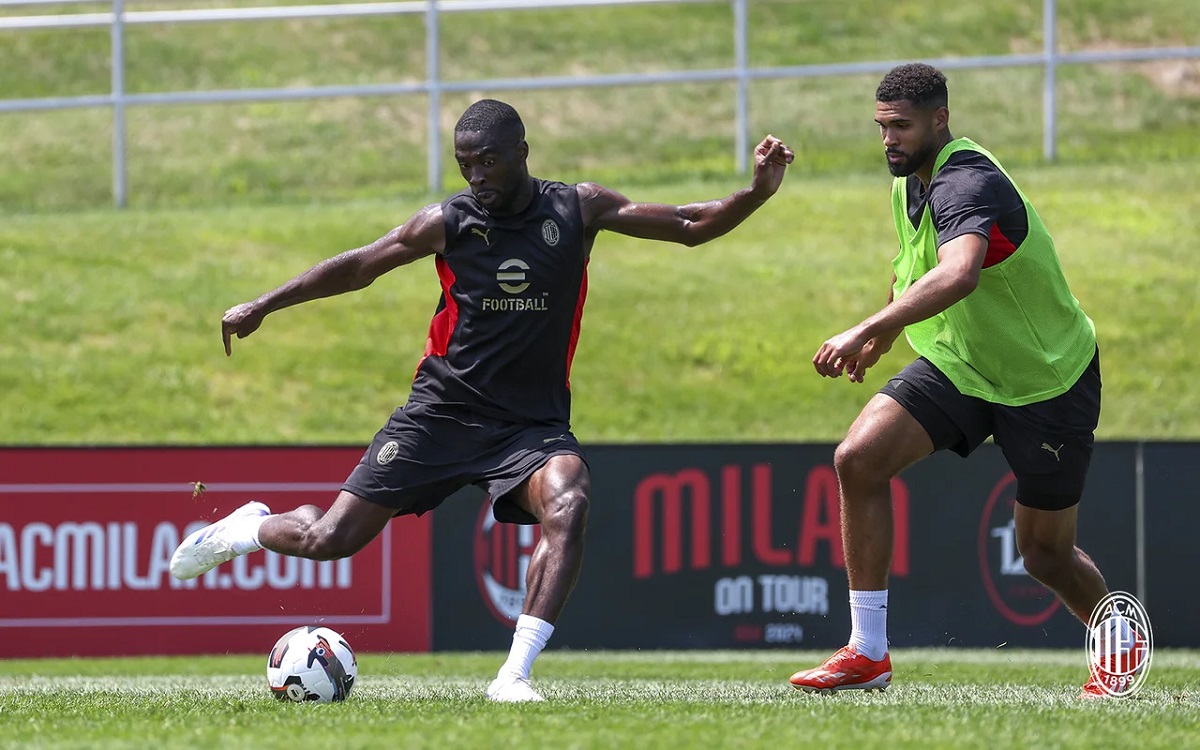
Training session photos often provide additional hints. Journalists sometimes notice which players are practicing with the likely starting group.
In press conferences, managers occasionally reveal subtle clues about player availability or tactical changes.
All these pieces of information help experts construct a likely lineup.
In this process, football starting XI prediction becomes a combination of observation, analysis, and experience.
The Role of Player Form and Performance
Player form is one of the strongest indicators of starting selection.
Managers usually reward players who perform well in previous matches. A midfielder who controlled the game effectively or a defender who delivered a strong defensive performance often retains their spot in the next match.
However, football is unpredictable. Sometimes a manager may bench a player despite good form if the tactical approach requires different qualities.
For example, a physical striker might start against a defensive team, while a faster forward could start against opponents with high defensive lines.
These tactical adjustments make lineup prediction both challenging and fascinating.
When analysts evaluate recent performances carefully, their football starting XI prediction becomes far more reliable.
Injuries and Suspensions: The Biggest Predictive Clues
Injuries and suspensions often simplify lineup predictions.
If a key player is injured, the manager must select an alternative. Analysts then evaluate the squad depth to determine who might replace the unavailable player.
Suspensions due to yellow or red cards also force changes in the lineup.
For example, if a central defender is suspended, the manager might move another defender into the starting role or adjust the formation entirely.
Monitoring official team news helps fans refine their predictions and avoid unrealistic lineup expectations.
Because of this, injury updates are essential when building a football starting XI prediction.
Managerial Philosophy and Rotation Strategy
Every football manager has a unique approach to squad rotation.
Some coaches prefer stable lineups with minimal changes. Others rotate players frequently to keep the squad fresh during busy schedules.
Understanding a manager’s philosophy helps analysts anticipate lineup decisions.
For instance, some managers trust experienced players during important matches. Others prefer energetic young players who can press opponents aggressively.
Historical lineup patterns often reveal how managers think.
Fans who follow these patterns closely gain a significant advantage when attempting lineup predictions.
Data Analytics in Modern Lineup Predictions
Football analysis has evolved dramatically with the rise of data analytics.
Modern analysts use statistics to evaluate player performance, fitness levels, and tactical contributions.
Metrics such as passing accuracy, defensive interceptions, expected goals, and pressing intensity help analysts understand how players influence matches.
These insights help predict which players fit best within specific tactical setups.
For example, a midfielder with high pressing statistics might start against opponents known for building play from the back.
Data-driven analysis has therefore become an important component of football starting XI prediction.
How Fans Can Improve Their Lineup Predictions
Fans who enjoy predicting lineups can develop their skills by observing patterns and studying team news carefully.
Watching previous matches provides valuable insights into how teams operate tactically. Observing which players frequently combine well can reveal likely partnerships.
Reading post-match interviews also helps. Managers often explain tactical decisions or mention players who impressed during training.
Following reliable journalists who cover specific clubs can also provide accurate information about injuries or tactical adjustments.
When fans combine these sources of information, their predictions gradually become more accurate.
Predicting lineups becomes less about guessing and more about informed analysis.
The Influence of Big Matches on Starting XI Choices
High-profile matches often influence lineup decisions dramatically.
When teams face strong opponents, managers may prioritize defensive stability or tactical discipline. This could lead to unexpected lineup selections.
For example, a manager might start an experienced defensive midfielder instead of a creative attacking player to strengthen defensive balance.
Cup finals and derby matches often bring similar surprises. Managers sometimes choose players with strong mental resilience or previous experience in big games.
These factors make football starting XI prediction particularly exciting before major fixtures.
The Importance of Squad Depth in Lineup Predictions
Modern football squads are larger and more versatile than ever before.
Top clubs often have multiple players capable of performing in the same position. This depth gives managers flexibility but makes lineup prediction more complex.
For example, a team might have three or four midfielders competing for two starting positions.
Managers evaluate training performance, tactical compatibility, and player fitness before making the final decision.
Because of these variables, predicting the starting XI requires a broad understanding of the entire squad rather than focusing only on star players.
Media Predictions vs Expert Analysis
Many sports websites publish predicted lineups before matches. Some predictions are based on detailed analysis, while others rely on simple assumptions.
Expert analysts often spend hours studying training reports, injury updates, and tactical trends before forming their predictions.
They also rely on years of experience observing how specific managers operate.
This level of research aligns with EEAT principles by emphasizing expertise, experience, authority, and trustworthiness.
Reliable predictions come from analysts who consistently study teams and understand the nuances of football strategy.
When fans compare multiple expert opinions, they gain a clearer understanding of likely lineups and tactical expectations.
Read also:
usmnt vs guatemala national football team lineups
usmnt vs costa rica national football team lineups
spain national football team vs netherlands national football team lineups
mexico national football team vs saudi arabia national football team lineups
spain national football team vs netherlands national football team timeline