
FIFA rankings update is one of those football topics that instantly sparks debates, celebrations, and sometimes outrage among fans. Whether you’re a casual viewer or a hardcore football analyst, rankings matter. They shape perceptions, influence tournament seedings, and often define a nation’s football identity.
Football is not just a game; it’s emotion, pride, and history. When a country climbs the rankings, it’s like a national festival. When it drops, critics come out in full force. Let’s dive deep into how FIFA rankings work, what recent changes mean, and why they matter more than ever in modern football.
Understanding the FIFA Rankings System
To truly appreciate a FIFA rankings update, you must understand how the ranking system works. FIFA uses a points-based algorithm that calculates team performance based on match results, opponent strength, match importance, and regional weighting.
The current system is based on the Elo rating method, similar to chess rankings. This system ensures that beating a strong team gives more points than defeating a weaker opponent. It also ensures that losing to a low-ranked team can significantly hurt your position.
Every international match matters. Friendlies, qualifiers, continental tournaments, and the World Cup all influence rankings differently, with major tournaments carrying the highest weight.
Why FIFA Rankings Matter in Modern Football
Rankings are not just numbers on a screen. They influence real-world football decisions.
For instance, tournament seeding is heavily influenced by rankings. A higher-ranked team often avoids tough opponents in early rounds. Sponsors and broadcasters also pay attention to rankings when deciding coverage and partnerships.
Players feel the impact too. A high-ranking national team attracts better talent, improves morale, and increases opportunities for international friendlies with elite teams.
In short, a FIFA rankings update can change the trajectory of a national football program.
Recent FIFA Rankings Update: Key Changes Explained
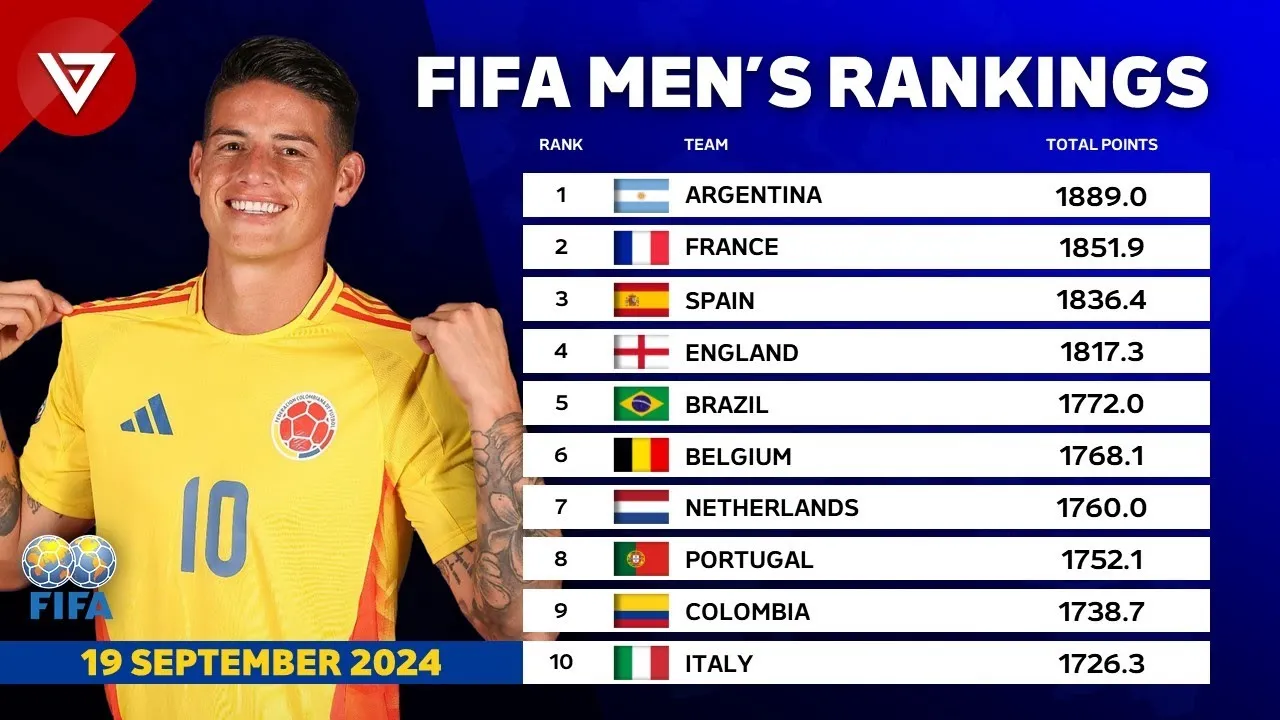
The latest FIFA rankings update has brought some exciting shifts. Traditional football giants continue to dominate, but emerging nations are making serious progress.
Teams like Argentina, France, and Brazil remain near the top due to consistent performances. However, countries like Morocco, Japan, and the United States have climbed significantly, showcasing the global growth of football.
These changes highlight how football is no longer dominated by just Europe and South America. Asia, Africa, and North America are producing competitive teams that challenge traditional powers.
FIFA Rankings Update and Global Power Dynamics
Europe’s Continued Dominance
European teams still dominate the top rankings due to their strong domestic leagues, player development systems, and competitive international tournaments like the UEFA Nations League.
Countries like England, Spain, Germany, and Italy maintain strong positions, though their rankings fluctuate based on tournament results.
South America’s Football Heritage
South American teams have always been football powerhouses. Argentina’s World Cup success and Brazil’s consistent performances keep them among the top-ranked nations.
Uruguay and Colombia also maintain respectable rankings, reflecting their strong football traditions.
Africa and Asia Rising Fast
One of the most exciting aspects of the latest FIFA rankings update is the rise of African and Asian teams. Senegal, Morocco, Japan, and South Korea have shown tactical discipline and technical excellence.
These teams are now capable of beating traditional giants, making global football more unpredictable and exciting.
How Match Results Influence Rankings
Every match matters in the ranking system. A win against a top-ranked team can significantly boost a nation’s points. Conversely, a loss to a lower-ranked team can cause a dramatic drop.
World Cup qualifiers and continental tournaments carry high weight. Friendly matches carry less weight but still influence rankings, especially when played against strong opponents.
This system encourages teams to play competitive matches rather than meaningless friendlies.
The Psychological Impact of FIFA Rankings
A FIFA rankings update affects more than statistics; it influences psychology.
Players feel more confident representing a high-ranked nation. Coaches gain credibility, and fans develop stronger belief in their team’s potential.
On the other hand, a drop in rankings can lead to criticism, pressure on coaches, and changes in team strategy.
Storytelling: A Nation’s Rise Through Rankings
Take Morocco’s recent journey as an example. Once considered underdogs, they climbed the rankings after impressive performances in the World Cup and African Cup of Nations.
Their rise inspired millions of fans and proved that structured development, strong coaching, and belief can transform a national team’s global reputation.
This is the magic of a FIFA rankings update—it tells stories of progress, setbacks, and redemption.
FIFA Rankings Update and Tournament Seeding
Tournament organizers use rankings to seed teams in major competitions. A higher ranking can mean an easier group stage draw, increasing the chances of progressing.
For smaller nations, climbing the rankings is crucial. It can mean avoiding powerhouse teams in early rounds and gaining more international exposure.
This is why football federations invest heavily in improving their rankings.
The Role of Domestic Leagues in Rankings
Strong domestic leagues contribute significantly to national team success. Countries with competitive leagues produce better players, which leads to improved national team performance.
European leagues like the Premier League, La Liga, and Bundesliga attract global talent, raising the standard of players representing those nations.
Emerging leagues in Asia and the USA are also improving, contributing to their rise in the rankings.
Data, Analytics, and the Modern Ranking System
Modern football relies heavily on data analytics. Coaches analyze opponent rankings, player performance metrics, and tactical data to prepare for matches.
FIFA’s ranking algorithm itself is data-driven, ensuring transparency and fairness. This data-centric approach makes the FIFA rankings update more credible than older systems.
Criticism and Controversies Around Rankings
Despite improvements, FIFA rankings are not free from criticism. Some experts argue that friendly matches should not influence rankings significantly. Others believe continental weighting should be adjusted.
There have also been debates about teams gaming the system by scheduling matches strategically.
However, the Elo-based system has reduced many loopholes and improved accuracy.
Fans and Media Reaction to Rankings
Fans love rankings because they provide bragging rights. Social media explodes after every FIFA rankings update, with debates about which team deserves its position.
Media outlets analyze rankings to predict tournament outcomes, discuss tactical trends, and evaluate coaching strategies.
Rankings have become part of football culture, not just statistics.
FIFA Rankings Update and Youth Development Programs
High rankings often reflect strong youth development programs. Countries like Germany, France, and Spain invest heavily in youth academies, producing world-class players consistently.
Emerging nations are now adopting similar models, focusing on grassroots football, coaching education, and infrastructure.
This long-term approach ensures sustained ranking improvements.
Economic Impact of High FIFA Rankings
A high ranking increases a country’s football market value. Sponsorship deals, broadcasting rights, and merchandise sales often increase when a national team performs well.
Tourism also benefits when fans travel to watch matches or tournaments.
Thus, a FIFA rankings update can have economic implications beyond football.
The Future of FIFA Rankings
The ranking system will continue to evolve with technology and data science. AI-driven analytics, real-time performance tracking, and advanced metrics may further refine rankings.
FIFA is also exploring ways to make rankings more transparent and accessible to fans.
The future of rankings will likely be more dynamic, reflecting real-time performance rather than periodic updates.
How Coaches Use Rankings Strategically
Coaches analyze rankings to plan friendly matches, tournament strategies, and player selection. Facing high-ranked opponents can improve a team’s ranking and prepare players for high-pressure matches.
Some teams strategically schedule matches to maximize ranking points, though FIFA monitors such practices.
Rankings also influence tactical decisions, as coaches adapt strategies based on opponent strength.
The Role of Women’s FIFA Rankings
FIFA rankings are not limited to men’s football. Women’s football rankings are equally important and growing in influence.
Countries like the USA, Germany, and Sweden dominate women’s rankings, but emerging teams are closing the gap.
The rise of women’s football has increased global interest in rankings and international competitions.
Cultural Significance of Rankings
Football rankings often reflect national pride. A high ranking can unite a country, inspire young players, and strengthen cultural identity.
In many countries, football is more than a sport—it’s a symbol of unity. A positive FIFA rankings update can boost national morale like few other events.
The Role of Technology in Ranking Transparency
FIFA publishes ranking methodologies and updates regularly, allowing fans and analysts to understand how points are calculated.
Advanced visualization tools and football analytics platforms help fans track ranking changes in real time.
This transparency has increased trust in the ranking system.
Globalization and Competitive Balance
Football is becoming more globalized, and rankings reflect this trend. Teams from Asia, Africa, and North America are improving rapidly due to better training, coaching, and international exposure.
This globalization makes tournaments more competitive and unpredictable, increasing fan engagement worldwide.
Final Perspective on Rankings Evolution
Football is evolving, and rankings evolve with it. The FIFA rankings update is not just a statistical report; it is a snapshot of global football’s current state.
It reflects tactical trends, player development, coaching philosophies, and national investment in football infrastructure.
As football continues to grow globally, rankings will become even more dynamic and meaningful.
Read also:-
kerala blasters vs hyderabad fc lineups
psg vs ac milan lineups
bengaluru fc vs mohun bagan super giant lineups
mohammedan sc vs bengaluru fc lineups