
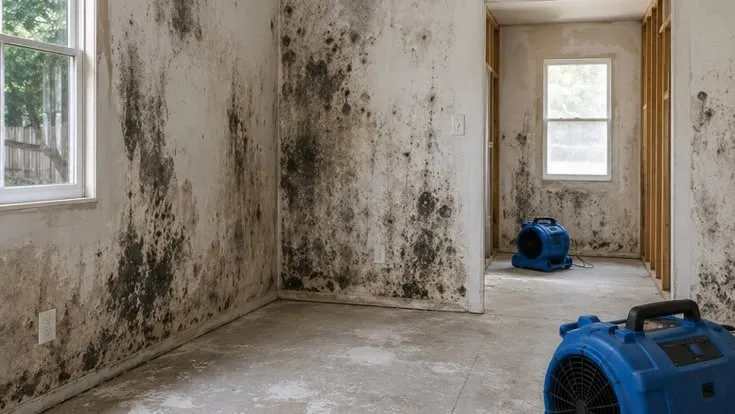
Condominium ownership offers convenience, shared amenities, and fewer individual maintenance responsibilities in certain areas. However, problems can become complicated when water leaks or mold contamination affect multiple units. A damaged roof, leaking pipe, or moisture entering through shared walls may raise questions about who should arrange repairs and cover the expenses.
In Los Angeles, condominium owners must understand how maintenance responsibilities are divided between individual owners and homeowners associations. Consulting a mold attorney california may help clarify potential legal concerns when disagreements develop. The first step is identifying where the moisture originated and reviewing the property’s governing documents.
Why Condominium Mold Problems Can Be Complicated
Condominium buildings contain individual living units alongside shared structural components and facilities. Water intrusion affecting one residence may originate from an area controlled by another owner or the association. For example, moisture entering through a common roof could eventually damage an interior ceiling. A plumbing leak inside one unit might also affect neighboring residences.
Determining responsibility requires examining the location of the problem, applicable maintenance duties, and available evidence. The fact that mold appears inside a particular unit does not automatically establish who must repair the underlying cause.
Understanding Homeowners Association Responsibilities
California’s Davis-Stirling Common Interest Development Act establishes general maintenance responsibilities for many condominium communities. Under Civil Code Section 4775, associations generally maintain common areas, while individual owners maintain their separate interests, unless the declaration provides otherwise.
Exclusive-use common areas can involve different maintenance, repair, and replacement responsibilities. A condominium’s governing documents, commonly called covenants, conditions, and restrictions or CC&Rs, are therefore essential when evaluating a dispute. Owners should review these documents before assuming that an association must pay for every repair involving water intrusion or mold contamination.
Identifying the Source of Moisture
A mold dispute often begins with uncertainty about where water entered the building. Surface staining may appear far from the original leak, especially when moisture travels through concealed structural spaces.
Professional investigation can help identify damaged roofing, plumbing connections, drainage problems, or other sources.
Before assigning responsibility, owners should consider several steps:
-
Photograph visible moisture and affected materials.
-
Report the issue to the association in writing.
-
Request information about relevant maintenance responsibilities.
-
Obtain qualified inspection findings when appropriate.
-
Preserve communications involving neighboring units.
-
Review applicable insurance and governing documents.
These steps can help establish a clearer record of the problem without prematurely assuming negligence.
Urgent water intrusion should receive prompt attention to prevent additional damage.
When Disagreements Require Legal Guidance
Conflicts may arise when an association declines repairs, disputes responsibility for a building component, or questions whether damage originated inside an individual residence. Owners seeking mold attorneys los angeles should understand that potential claims depend on the governing documents, applicable laws, maintenance history, and evidence of responsibility.
An attorney may review whether the dispute involves contractual obligations, statutory maintenance duties, negligence, or another legal issue. However, disagreement over repair expenses does not automatically mean either party has violated the law. The specific facts must be evaluated before determining available remedies.
Reviewing Insurance Coverage and Repair Costs
Insurance can add another layer of complexity to condominium disputes. The association may maintain a master policy, while individual owners often carry separate coverage for their units and belongings. These policies do not necessarily cover identical risks. Water damage exclusions, maintenance-related limitations, and policy deductibles may affect whether compensation is available.
Owners should notify the appropriate insurers promptly and obtain information about relevant coverage provisions. The existence of insurance does not independently establish legal responsibility. Coverage decisions and repair obligations may involve different contractual and legal questions. Accurate estimates can help clarify the financial impact of necessary repairs.
Maintaining Communication During the Resolution
Communication between affected owners, association representatives, and contractors can become difficult when repairs involve multiple units. Written requests should describe the location of damage, known moisture conditions, and any immediate safety concerns.
Owners should keep copies of inspection findings, meeting correspondence, and repair proposals. Clear records can help identify what actions were requested and when responses occurred. If informal discussions fail, the governing documents may provide dispute resolution procedures. Legal advice can help determine which procedures apply before litigation is considered.
Conclusion
Mold disputes in condominiums require careful investigation because responsibility may involve shared building components, individual units, and association maintenance obligations. Understanding governing documents and documenting moisture problems can help owners evaluate possible solutions.
For individuals seeking information about mold-related legal claims in California, mehdlaw.com provides resources concerning toxic mold disputes and property-related legal concerns. Professional inspections and qualified legal guidance can help clarify responsibilities before disagreements develop into costly conflicts.