
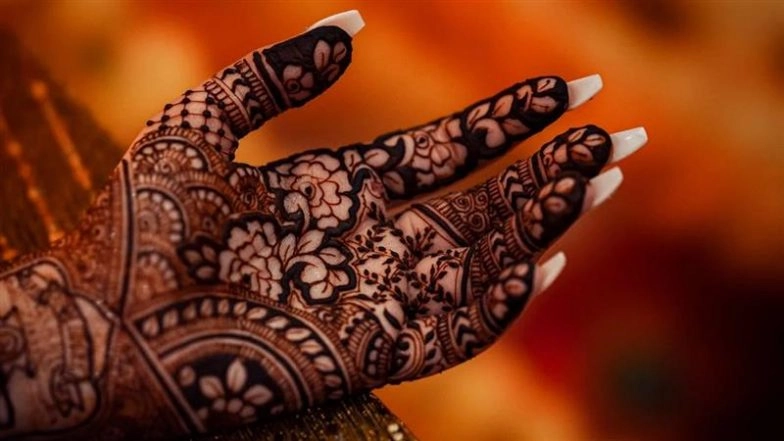
Arabic mehndi design is one of the most popular and stylish forms of henna art admired across the world. Known for its bold strokes, flowing floral patterns, and elegant simplicity, this style has become a favorite choice for weddings, festivals, and special celebrations.
Unlike traditional dense henna patterns, Arabic mehndi designs focus on spacing and artistic flow. The patterns usually travel diagonally across the hand or arm, creating a modern and graceful appearance.
Many brides, bridesmaids, and even beginners prefer this style because it looks beautiful without requiring extremely intricate work. The balance between detail and simplicity makes Arabic designs timeless and versatile.
Today, this art form has evolved into a global trend, inspiring artists and designers in fashion, beauty, and cultural celebrations.
Table of Contents
ToggleThe Cultural Roots of Arabic Mehndi Design
Henna art has been part of cultural traditions for centuries, especially in Middle Eastern, South Asian, and North African communities.
Arabic patterns developed in the Middle East and later spread to other regions through cultural exchanges, trade routes, and migration.
Over time, the Arabic mehndi design style became recognized for its flowing motifs and artistic freedom.
Unlike traditional Indian bridal mehndi that fills the entire hand, Arabic designs highlight large flowers, leafy trails, and bold outlines.
This approach allows the skin to remain visible between patterns, creating contrast and elegance.
Today, Arabic mehndi represents a fusion of cultural heritage and modern beauty trends.
Why Arabic Mehndi Designs Are So Popular
One reason for the global popularity of Arabic mehndi is its versatility.
The designs work beautifully for both simple occasions and elaborate celebrations.
For example, a bride might choose a detailed Arabic pattern extending to her forearms, while a guest at a wedding might prefer a smaller design on the back of the hand.
Another reason people love this style is that it suits all age groups.
Young girls, brides, and even older women can wear Arabic henna comfortably.
The beauty of Arabic mehndi design lies in its ability to look elegant without appearing overly complex.
Because the patterns are less dense, they are also faster to apply compared to traditional bridal henna.
Signature Elements of Arabic Mehndi Design
Arabic mehndi is instantly recognizable due to its distinctive artistic features.
Large floral motifs are a key element. These flowers often form the center of the design and connect with curved vines.
Leaf patterns extend from these flowers, creating flowing trails that travel across the hand or arm.
The beauty of Arabic mehndi design also lies in its bold outlines. Artists usually draw thicker borders around petals and leaves, giving the design a striking appearance.
Shading techniques add depth and dimension.
Many artists fill certain areas with delicate dots, lines, or shading to enhance visual contrast.
The combination of bold lines and soft details creates a perfect balance between simplicity and sophistication.
Arabic Mehndi Design for Weddings
Weddings are one of the most common occasions where mehndi plays a special role.
Brides often choose elaborate henna patterns as part of their pre-wedding rituals.
While traditional bridal mehndi covers the entire hands and arms, many modern brides now prefer Arabic-inspired styles.
The reason is simple. Arabic designs look graceful while still allowing the skin to breathe visually.
A bridal Arabic mehndi design may include long floral trails extending from the fingers to the wrist or even the elbow.
Artists sometimes combine Arabic elements with traditional motifs to create a personalized bridal look.
This blend of tradition and modern style has made Arabic mehndi extremely popular in contemporary weddings.
Festival Celebrations and Mehndi Art
Festivals are another perfect time to wear beautiful henna patterns.
Celebrations like Eid, Diwali, and family gatherings often include mehndi application as a fun activity.
Women gather together, share stories, and decorate their hands with creative designs.
For many people, choosing a stylish Arabic mehndi design adds excitement to the festive atmosphere.
The quick application process makes it ideal when multiple people want to get their hands decorated.
Even simple Arabic patterns can transform the appearance of hands and complement festive outfits.
The Artistry Behind Arabic Mehndi Design
Creating mehndi is more than just drawing patterns. It is a form of artistic expression.
Professional mehndi artists spend years practicing to perfect their skills.
They learn how to control cone pressure, maintain symmetry, and create smooth flowing lines.
A skilled artist understands how each Arabic mehndi design should adapt to the natural shape of the hand.
Hands are not flat canvases; they have curves and contours that influence the design.
Artists must also consider spacing so the design looks balanced and visually appealing.
This attention to detail is what makes professional mehndi work truly impressive.
Modern Trends in Arabic Mehndi Designs
Like fashion, mehndi art continues to evolve.
Modern artists experiment with innovative patterns and creative combinations.
Minimalist Arabic designs have become extremely trendy in recent years.
These patterns use fewer elements but still create an elegant look.
Another trend includes jewelry-inspired motifs that resemble rings, bracelets, and hand chains.
Some artists combine Arabic henna with geometric elements for a contemporary appearance.
The versatility of Arabic mehndi design allows endless experimentation while maintaining traditional charm.
Choosing the Right Arabic Mehndi Design
Selecting a mehndi design depends on the occasion, outfit, and personal preference.
A bride may prefer a long detailed design covering both hands.
A college student attending a festival might choose a smaller elegant pattern on the back of the hand.
When selecting an Arabic mehndi design, it helps to consider the flow of the pattern.
Designs that follow the natural movement of the hand usually look more graceful.
It is also important to match the style with jewelry and clothing.
A balanced design enhances the overall appearance and creates a harmonious look.
How Beginners Can Learn Arabic Mehndi
Many beginners feel inspired to try mehndi art at home.
With practice and patience, anyone can learn the basics.
The first step is understanding simple shapes like petals, leaves, and vines.
Once these elements are mastered, they can be combined to create larger patterns.
Practicing basic strokes helps improve control and consistency.
Studying popular Arabic mehndi design patterns can also provide inspiration.
Many beginners start by copying simple designs before developing their own creative styles.
Over time, confidence grows and designs become more intricate.
Caring for Mehndi to Get a Dark Stain
The beauty of mehndi lies not only in the design but also in the color it leaves behind.
A deep reddish-brown stain is considered the most desirable result.
Proper aftercare helps achieve this rich color.
After applying a detailed Arabic mehndi design, the paste should remain on the skin for several hours.
Natural heat helps the stain develop more strongly.
Many people apply lemon and sugar solution to keep the paste moist.
Once the paste falls off, the stain continues to darken over the next 24 hours.
This gradual transformation makes mehndi even more exciting.
The Global Influence of Arabic Mehndi Design
Today, henna art is celebrated worldwide.
Beauty influencers, fashion bloggers, and wedding stylists frequently showcase stunning mehndi styles.
Social media platforms have played a major role in spreading inspiration.
Photos and videos allow artists to share their creativity with global audiences.
As a result, the popularity of Arabic mehndi design has grown far beyond its traditional roots.
People from different cultures now embrace henna as a temporary body art form.
From fashion runways to music festivals, mehndi has become a symbol of artistic expression.
Mehndi as a Form of Personal Expression
For many people, mehndi is more than decoration.
It represents celebration, creativity, and cultural identity.
Some individuals choose specific motifs that reflect personal stories or meaningful symbols.
Others simply enjoy the relaxing process of applying henna.
The beauty of Arabic mehndi design is that it allows both tradition and individuality to exist together.
Every design becomes unique depending on the artist’s style and the wearer’s personality.
This combination of creativity and culture ensures that Arabic mehndi will remain a cherished art form for generations.
Read also:
aesthetic mehndi design
modern ..mehndi design instagram front
mehndi design 2024 back hand
modern ..mehndi design instagram front hand
aesthetic mehandi designs