
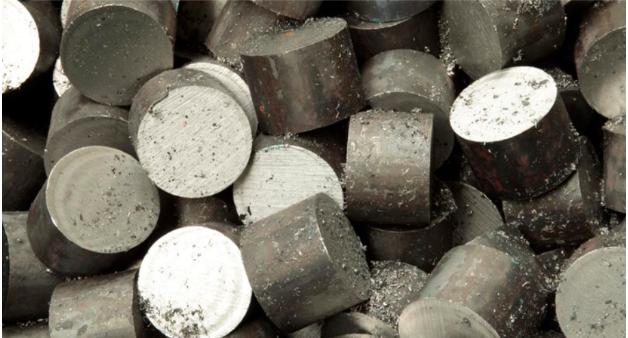
Choosing the right materials for industrial or manufacturing projects is crucial, and when it comes to high-density metals, a tungsten heavy alloy is often the material of choice. Known for its remarkable strength, durability, and resistance to heat and corrosion, tungsten heavy alloys are widely used in aerospace, military, medical, and other high-performance applications. However, selecting the right tungsten heavy alloy for your specific needs can be challenging, especially for buyers who are new to this market. This guide will help you make an informed decision when looking for tungsten heavy alloy for sale.
Understanding Tungsten Heavy Alloy
A tungsten heavy alloy is a metal composite primarily made of tungsten, combined with other elements such as nickel, iron, or copper to improve its properties. Pure tungsten is extremely dense and hard, but it is also brittle, which makes it less practical for many industrial applications. By creating an alloy, manufacturers can retain the high density and strength of tungsten while improving its machinability and toughness. These alloys are often used for counterweights, radiation shielding, projectiles, and vibration-damping components due to their high mass and stability.
Identify Your Specific Requirements
Before searching for tungsten heavy alloy for sale, it is important to identify your specific requirements. Consider what the material will be used for, the required weight or density, and the environmental conditions it will face. For example, if you need a tungsten heavy alloy for aerospace components, you will need an alloy that can withstand high temperatures and stress without deforming. For medical equipment or radiation shielding, corrosion resistance and precision machining capabilities might be more important. Knowing your requirements will help you narrow down the alloy type and grade you need.
Consider Density and Strength
Tungsten heavy alloys are valued for their density, typically ranging from 17 to 19 grams per cubic centimeter. Density affects how heavy and compact your components will be, which can be crucial in applications like balancing machinery or counterweights. Strength is another important factor, as the alloy must withstand the mechanical forces it will encounter. Check the specifications of the tungsten heavy alloy you are considering, including tensile strength and yield strength, to ensure it meets your performance needs.
Evaluate Machinability and Fabrication Options
One of the challenges with tungsten heavy alloys is that they are harder to machine than standard metals due to their density and strength. Depending on your project, you may need a tungsten heavy alloy that is easier to shape or modify. Some alloys include elements like nickel and iron specifically to improve machinability. When choosing a supplier, ask about fabrication options and whether the alloy can be cast, sintered, or machined into the shapes you require. This will save you time and reduce manufacturing difficulties.
Check Purity and Quality Standards
The purity of a tungsten heavy alloy affects its performance and reliability. Impurities can reduce strength, increase brittleness, or cause uneven performance under stress. Look for suppliers that provide detailed material certifications and adhere to recognized quality standards. Reputable manufacturers often supply test reports or certifications verifying the composition, density, and mechanical properties of their tungsten heavy alloys. This ensures you are buying a material that meets your technical requirements and will perform consistently in your application.
Compare Suppliers and Pricing
When searching for tungsten heavy alloy for sale, it is important to compare multiple suppliers. Look at their reputation, experience, and customer reviews. Pricing is also a factor, but it should not be the only consideration. The cheapest alloy may not meet your quality standards or performance needs. Reliable suppliers often provide technical support and guidance to help you select the right alloy for your project. Establishing a relationship with a trustworthy supplier can save you time and money in the long term.
Conclusion
Choosing the right tungsten heavy alloy for sale requires careful consideration of several factors, including the intended use, density, strength, machinability, and quality standards. Understanding these aspects will help you select an alloy that meets your specific needs and ensures reliable performance. Working with a reputable supplier is equally important to guarantee the material’s quality and consistency. By following this guide, buyers can make informed decisions and confidently invest in tungsten heavy alloys for their industrial or specialized applications.