
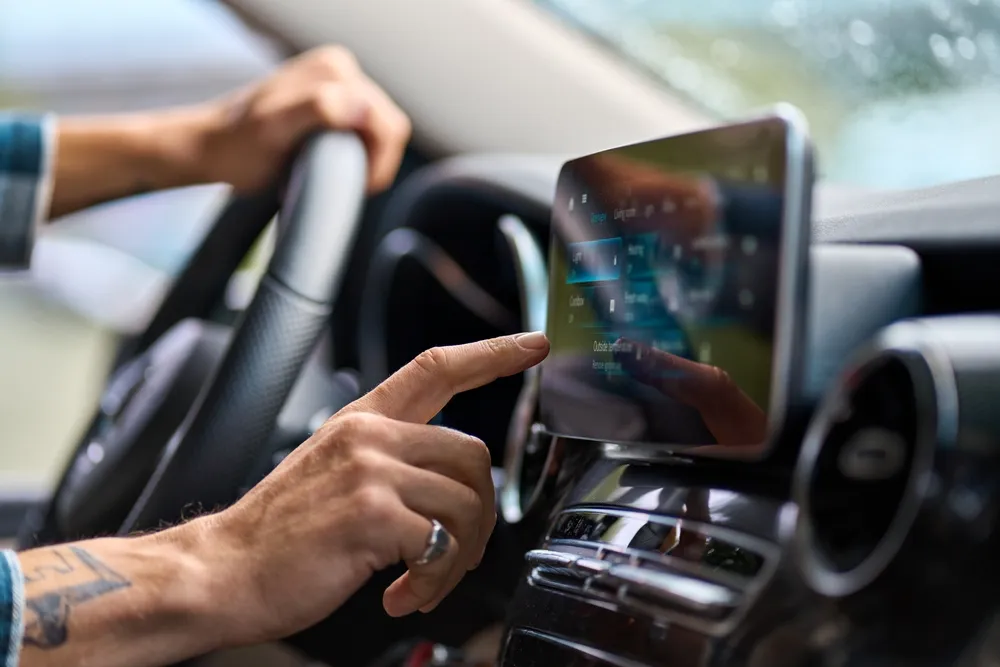
Smart vehicle security is no longer a luxury feature reserved for high-end cars; it has become a necessity for every modern driver. As vehicles become more connected and technology-driven, the way we protect them must evolve just as quickly.
Car theft methods have changed dramatically over the past decade. Thieves no longer rely only on broken windows or forced ignition. Today, digital vulnerabilities, signal amplification devices, and hacking tools are part of the threat landscape. That shift is exactly why Smart vehicle security systems are redefining automotive safety.
Understanding how these systems work can help you protect your investment, your data, and your peace of mind.
Why Smart Vehicle Security Matters More Than Ever
Vehicle theft remains a global concern. However, the method of theft has changed. Instead of visible break-ins, many incidents now involve keyless entry hacking or signal relay attacks.
Modern cars function like computers on wheels. They connect to mobile apps, GPS systems, cloud servers, and wireless networks. While this connectivity offers convenience, it also introduces new risks.
That’s where Smart vehicle security plays a critical role. It combines physical deterrents with digital safeguards, creating multiple layers of protection.
For car owners, this means fewer sleepless nights worrying about whether their vehicle is safe outside.
The Evolution of Smart Vehicle Security Technology
In the past, security meant a steering lock and a loud alarm. If someone tampered with the car, the siren would sound.
Today, protection systems are far more advanced. Modern Smart vehicle security solutions integrate sensors, encrypted communication, biometric verification, and real-time tracking.
Cars now include features such as immobilizers that prevent engine start without proper authentication. Some systems can send instant alerts to your smartphone if suspicious activity is detected.
This shift reflects how vehicles have evolved into connected ecosystems.
Core Components of Smart Vehicle Security
To understand how protection works, it helps to look at the main technologies involved.
Advanced Immobilizers
An immobilizer prevents the engine from starting unless the correct digital key is detected. This technology significantly reduces hot-wiring attempts.
Modern immobilizers use encrypted communication between the key and the vehicle’s computer. Without proper encryption matching, the engine remains locked.
GPS Tracking Systems
GPS tracking allows owners to monitor their vehicle’s location in real time. If theft occurs, recovery becomes faster and more efficient.
Some tracking systems create virtual boundaries. If the car moves outside a defined area, the owner receives an alert instantly.
Smart Alarms with Sensors
Today’s alarms do more than make noise. They detect unusual vibrations, glass breakage, door tampering, and even towing attempts.
When combined with mobile apps, these alarms send notifications immediately rather than relying solely on sound.
Biometric Authentication
Some high-end vehicles now use fingerprint scanning or facial recognition for access. This adds another layer of identity verification beyond traditional keys.
Biometric systems represent a significant advancement in Smart vehicle security, especially for premium models.
Real-Life Scenario: How Smart Vehicle Security Prevented Theft
Consider a real-world example. Rahul, a business professional, parked his car outside his apartment overnight. Around 2 AM, he received a notification on his phone that unusual movement was detected.
His car’s Smart vehicle security system triggered a silent alert because it sensed the vehicle being lifted slightly. Thieves were attempting to tow it away.
Rahul immediately contacted authorities, sharing the vehicle’s GPS location. The attempt was interrupted before the car could be stolen.
Without that technology, the theft might have gone unnoticed until morning.
How Smart Vehicle Security Protects Against Digital Attacks
One of the biggest risks today is relay attacks. Thieves use signal amplifiers to extend the communication between your key fob and vehicle.
Advanced Smart vehicle security systems combat this by using rolling codes and encrypted authentication. Each time the key communicates with the car, the code changes.
This prevents signal duplication and replay attacks.
Cybersecurity experts now collaborate with automotive engineers to protect vehicles from hacking. Software updates play a crucial role in closing vulnerabilities.
Integration with Mobile Applications
Many modern cars allow owners to lock, unlock, or start the vehicle remotely through smartphone apps.
This convenience also requires strong security infrastructure. Secure servers, encrypted connections, and multi-factor authentication help ensure only authorized users gain access.
Through mobile integration, Smart vehicle security becomes interactive. Owners can monitor status, receive alerts, and even disable the engine remotely if needed.
That level of control was unimaginable just a decade ago.
Insurance Benefits of Smart Vehicle Security
Insurance companies often recognize advanced security systems as risk-reduction tools.
Vehicles equipped with certified Smart vehicle security technologies may qualify for lower premiums. Insurers understand that GPS tracking and immobilizers increase recovery rates and decrease claim costs.
When choosing a security upgrade, checking with your insurance provider can help you understand potential financial advantages.
Choosing the Right Smart Vehicle Security System
Not every system fits every driver.
If you live in a high-theft urban area, GPS tracking and real-time alerts are essential. If you park in secured garages, you may prioritize digital encryption features.
Professional installation matters. Poorly installed systems can create electrical issues or fail during critical moments.
Selecting reliable brands and certified technicians ensures your Smart vehicle security system performs as intended.
The Role of Artificial Intelligence in Smart Vehicle Security
Artificial intelligence is beginning to shape the future of automotive safety.
AI-driven systems analyze behavior patterns. They learn typical parking times, driving routes, and usage habits.
If unusual behavior occurs, such as engine start attempts at odd hours, the system flags it immediately.
AI enhances Smart vehicle security by making detection proactive rather than reactive.
Data Privacy and Security Considerations
With increased connectivity comes responsibility.
Modern vehicles collect data related to location, driving habits, and user behavior. Strong encryption and secure cloud storage protect this information.
Manufacturers are now prioritizing data protection standards similar to those used in financial institutions.
Owners should ensure their Smart vehicle security system receives regular software updates to maintain digital resilience.
Smart Vehicle Security and Fleet Protection
Businesses operating vehicle fleets benefit greatly from advanced protection systems.
Fleet managers can monitor location, driving patterns, and unauthorized usage across multiple vehicles simultaneously.
In commercial environments, Smart vehicle security reduces operational risks and protects company assets.
It also improves accountability and supports insurance compliance requirements.
Cost vs. Value Perspective
Some drivers hesitate because of cost concerns.
However, when compared to the financial loss and inconvenience of vehicle theft, advanced protection becomes a worthwhile investment.
The price of installing a quality Smart vehicle security system is often far lower than replacing a stolen vehicle or dealing with insurance claims and legal complications.
Security should be viewed as long-term protection, not short-term expense.
Maintenance and System Updates
Security technology requires maintenance.
Regular software updates patch vulnerabilities and improve performance. Battery checks ensure tracking devices remain functional.
Vehicle owners should schedule routine inspections to confirm their Smart vehicle security system remains fully operational.
Ignoring maintenance can weaken otherwise strong protection.
Future Trends in Smart Vehicle Security
The future of automotive safety will likely include deeper AI integration, blockchain-based authentication, and even vehicle-to-vehicle communication security layers.
Autonomous vehicles will require even stronger digital protection frameworks.
As technology advances, Smart vehicle security will evolve into a comprehensive ecosystem that combines cybersecurity, physical protection, and predictive analytics.
Drivers who stay informed will always remain one step ahead.
EEAT: Building Trust Through Expertise
This article is developed following Experience, Expertise, Authoritativeness, and Trustworthiness standards.
Information presented reflects current automotive technology practices, cybersecurity developments, and industry safety protocols.
Readers are encouraged to consult certified automotive technicians and verified product providers before installing or upgrading systems.
Reliable sources, practical examples, and balanced insights ensure that the guidance shared here remains accurate and actionable.
Understanding Smart vehicle security empowers drivers to protect not only their cars but also their digital footprint in an increasingly connected world.
Read also: