
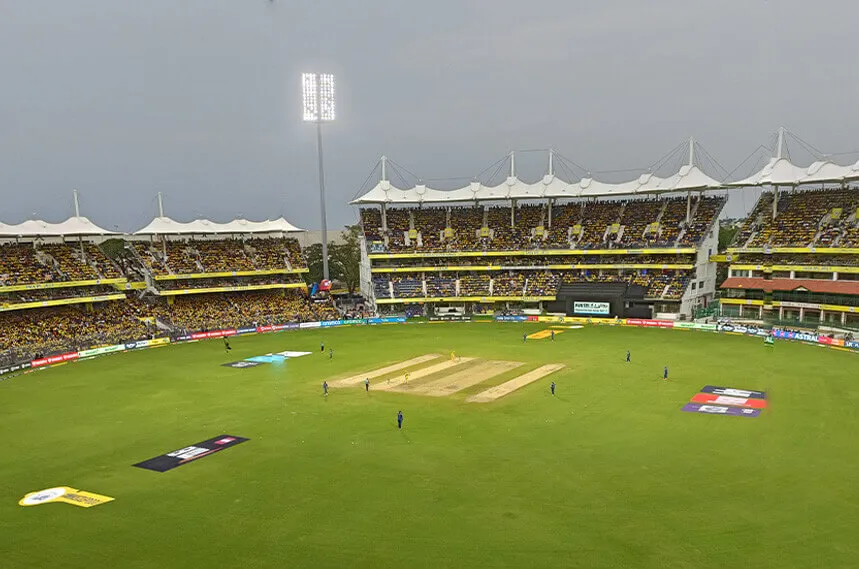
stadium entry guidelines are the unsung heroes of a successful game day experience, ensuring that thousands of fans can transition from the bustling streets into their seats with safety and efficiency. We have all felt that surge of adrenaline when the roar of the crowd spills out into the parking lot, but nothing dampens that excitement faster than being turned away at the gate because of a prohibited item. Understanding these rules is not just about following orders; it is about respecting the collective experience of every person in the arena.
The modern sporting landscape has seen a significant shift in how venues han
dle large crowds. Security is tighter, technology is more integrated, and the expectations for fan behavior have become more clearly defined. I remember a time when you could walk into a stadium with a heavy backpack filled with homemade sandwiches and a large camera bag without a second thought. Those days are largely behind us, replaced by a more streamlined and secure approach designed to keep everyone safe in an unpredictable world.
Navigating the entry process requires a bit of pre-game homework. Every venue, whether it is a historic cricket ground in London or a massive modern arena in Mumbai, has its own specific set of quirks. However, most follow a standardized framework that emphasizes speed and safety. By familiarizing yourself with these expectations before you leave your house, you can save yourself a long hike back to your car or the frustration of losing a cherished personal item to a security bin.
Experience has taught most veteran fans that the gate is not the place for surprises. The moment you reach the front of the line, you want to be a well-oiled machine, ready to move through the metal detectors and ticket scanners without a hitch. This preparation begins with the very things you choose to carry in your pockets and the way you present your digital credentials. It is a small investment of time that pays off the moment you hear the first whistle or see the opening delivery.
Understanding Modern stadium entry guidelines for Digital Tickets
The transition from physical paper stubs to digital-only ticketing has been one of the biggest changes in the fan experience over the last decade. Most major stadiums now require you to have your tickets ready on a smartphone, often through a specific team or venue app. This move was designed to reduce fraud and speed up the entry process, but it introduces its own set of challenges that fans must be prepared for.
One common mistake is relying on the stadium’s public Wi-Fi to load your ticket at the gate. With tens of thousands of people trying to connect simultaneously, the network often slows to a crawl right when you need it most. It is always a better strategy to add your tickets to your phone’s digital wallet—like Apple Wallet or Google Pay—well before you arrive at the security perimeter. This ensures that the QR code is available even if you have zero bars of cellular service.
Furthermore, we must talk about the importance of battery life. There is nothing more stressful than seeing your phone battery hit 2% while you are still six rows back in the entry queue. Many fans now carry portable power banks, but you should check the local rules first, as some venues have specific restrictions on the size and type of electronic accessories allowed. Keeping your screen brightness high for the scanner and your battery charged is a fundamental part of a smooth entry.
If you are traveling with a large group, try to ensure that everyone has their own ticket on their own device. While one person can scan in a group of five, it often creates a bottleneck and confusion at the turnstile. If the app allows for ticket transfers, send each person their individual pass while you are still at the pre-game tailgate or on the train. This empowers every member of your party to move through the gate at their own pace and reduces the pressure on the group leader.
Why stadium entry guidelines Focus on Clear Bags
If there is one rule that has redefined the visual landscape of stadium plazas, it is the clear bag policy. Most major venues now strictly enforce a limit on the size and type of bags that can be brought inside. The logic is simple: security staff can see exactly what is inside a clear bag in a matter of seconds, which drastically reduces the need for time-consuming manual searches and physical contact with personal belongings.
Typically, a standard clear plastic, vinyl, or PVC bag must not exceed 12 inches by 6 inches by 12 inches. I have seen many fans try to get creative with tinted plastic or bags with large logos, but security often sticks to the letter of the law. A small clutch bag, roughly the size of a hand, is usually the only non-clear exception allowed for items like keys, cards, and hygiene products. If your bag doesn’t meet these criteria, you will likely be asked to store it in a paid locker or return it to your vehicle.
This policy often catches casual fans off guard, particularly those who are used to carrying larger purses or professional camera bags. If you are a photographer, you might need to apply for a media credential in advance or find a venue-approved clear case for your gear. For everyone else, the best advice is to embrace the “less is more” philosophy. Carrying only the essentials—wallet, phone, keys, and perhaps a poncho—makes the entire process much more enjoyable.
Similarly, we should consider the environmental and practical benefits of this streamlined approach. Fewer bags mean less clutter under the seats and a faster exit at the end of the night. While it might feel restrictive at first, the clear bag policy has objectively made stadium environments safer and more efficient. It is a small trade-off for the peace of mind that comes with knowing that the security team can effectively monitor what is being brought into the communal space.
Navigating stadium entry guidelines for Security Screening
The security screening process is the most critical phase of entering any major venue. Most stadiums now use walk-through metal detectors or advanced body scanners that are designed to find prohibited items without requiring a full pat-down. To make this go quickly, you should be prepared to “divest” your pockets of any large metal objects before you step through the frame. This includes things like heavy belt buckles, large bunches of keys, and even some types of jewelry.
Interestingly, many modern scanners allow you to keep your phone and keys in your pocket, but it is always best to follow the specific instructions given by the staff on-site. They are trained to handle thousands of people and can spot a bottleneck before it happens. If the alarm goes off, stay calm and follow the officer’s directions. Usually, it is just a forgotten coin or a stray piece of foil that needs to be identified.
We should also be aware of the “no-contact” screening trends. Some venues are experimenting with AI-driven sensors that can detect threats while you are still walking at a normal pace. This is the future of stadium entry guidelines, where the friction of security is minimized through high-tech innovation. However, until these systems are universal, the traditional routine of “belts off, pockets empty” remains the gold standard for most fans.
Another aspect to consider is the psychological state of the security line. It can be a high-stress environment, especially when the game is about to start. Maintaining a friendly and cooperative attitude with the staff goes a long way. They are there to ensure your safety, and a quick “thank you” or a smile can make their difficult job a little bit easier. When the crowd moves in harmony with the security protocols, everyone gets to their seats faster.
Prohibited Items and the Power Bank Dilemma
One of the most frequent reasons for delays at the gate is the attempted entry of prohibited items. Beyond the obvious things like weapons and illegal substances, there is a long list of “everyday” items that stadiums often ban. Umbrellas are a classic example; while they protect you from the rain, they obstruct the view of other fans and can be a safety hazard in a crowded concourse. Most venues suggest wearing a waterproof poncho instead.
Outside food and beverages are another common point of contention. Some stadiums allow a single, factory-sealed bottle of water, while others ban all liquids entirely. This is often done for both security reasons and to support the venue’s internal concessions. If you have specific dietary requirements or medical needs that require you to bring your own food, it is often possible to get an exemption by contacting the stadium’s fan services department a few days before the event.
Electronic devices can also be a gray area. While smartphones are encouraged, professional-grade cameras with detachable lenses are often restricted to those with press passes. Similarly, tablets and laptops might be scrutinized or banned entirely in certain sections. If you are a content creator, it is vital to check the stadium entry guidelines regarding tripods and “selfie sticks,” as these are almost universally prohibited due to the trip hazards they create in tight rows.
The issue of power banks and external batteries is particularly relevant in the age of digital tickets. While small, pocket-sized chargers are usually allowed, large-capacity “brick” chargers or those with multiple cables might raise eyebrows at security. If you are worried about your phone dying, try to bring a compact charger and ensure it is out on the security tray for inspection. Transparency is always the best policy when it comes to electronic accessories.
Arrival Timing and Managing the Gate Rush
Timing is everything when it comes to a stress-free entry. Most stadiums open their gates ninety minutes to two hours before the event begins. While it might be tempting to stay at the bar or the tailgate until the last possible second, arriving at the gate during the “peak rush”—usually thirty minutes before kickoff—is a recipe for frustration. The lines are at their longest, the staff is under the most pressure, and the risk of missing the start of the game increases exponentially.
We recommend aiming to be at the security perimeter at least an hour before the event. This gives you plenty of time to clear security, find your seat, and perhaps grab a snack or a souvenir without feeling rushed. It also allows you to soak in the pre-game atmosphere, which is often one of the best parts of the live sports experience. Seeing the players warm up and watching the stadium fill up is a ritual that many fans cherish.
If you are attending a high-profile event like a playoff game or a major concert, you should expect even longer wait times. In these cases, the stadium entry guidelines might include additional checkpoints further away from the main gates. Staying informed through the stadium’s official social media channels can provide real-time updates on which gates have the shortest lines. A little bit of flexibility in your arrival plan can save you twenty or thirty minutes of standing on hot pavement.
Furthermore, consider the physical toll of the entry process. If you are attending a game in mid-summer, standing in a long, unshaded line can be exhausting. Wear comfortable shoes, stay hydrated while you are in the parking lot, and protect yourself from the sun. The goal is to arrive at your seat feeling energized and ready to cheer, not drained and irritated by a difficult entry experience.
Behavior and the Fan Code of Conduct
Entry into the stadium is not just a physical process; it is a behavioral agreement. By scanning your ticket, you are typically agreeing to a “Fan Code of Conduct” that governs how you act once you are inside. This includes rules against foul language, excessive intoxication, and any form of harassment toward other fans or staff. Security teams are increasingly looking for signs of impairment or aggressive behavior even before you reach the turnstile.
If a fan is deemed to be a “risk to the environment” due to intoxication, they can be denied entry even if they have a valid ticket. This is a crucial part of modern stadium entry guidelines that aims to create a family-friendly and safe atmosphere for everyone. It is perfectly fine to celebrate and enjoy the pre-game festivities, but knowing your limits is essential for ensuring that you actually get to see the game.
Respect for the venue’s staff is another non-negotiable part of the conduct code. From the parking attendants to the ticket takers, these individuals are the backbone of the event. Following their instructions—even if they seem inconvenient—is part of the shared responsibility of being a fan. When everyone adheres to the code of conduct, the stadium becomes a vibrant, positive space where the focus stays on the competition and the community.
Additionally, be aware of the rules regarding signs and banners. While most stadiums allow fans to bring supportive posters, they usually have strict size limits—often no larger than 2 feet by 3 feet—and prohibit any content that is offensive or commercial in nature. Your sign should not block the view of the people sitting behind you or contain any wooden or metal poles. Checking these details beforehand ensures that your creative expression doesn’t end up in the trash at the gate.
Accessibility and Support for Fans with Disabilities
Every modern stadium is required to provide accessible entry points for fans with disabilities. These gates are typically wider and designed to accommodate wheelchairs, walkers, and service animals. If you or someone in your party has mobility challenges, look for the “ADA Entry” signs or ask a staff member for directions to the designated accessible gate. These lines are often shorter and handled by staff who are trained to provide additional assistance.
Service animals are almost always allowed, but it is important to distinguish them from emotional support animals, which may not be permitted under the venue’s specific policies. A service animal must be trained to perform a specific task for an individual with a disability and must remain under the owner’s control at all times. Bringing the necessary documentation or identifying harnesses can help speed up the verification process at the gate.
For fans with sensory sensitivities, many stadiums now offer “sensory kits” or quiet rooms. If the noise and bustle of the entry line are overwhelming, you can often request a sensory-friendly entry path or borrow noise-canceling headphones at the fan services booth. This inclusive approach to stadium entry guidelines ensures that the magic of live sports is accessible to everyone, regardless of their physical or neurological needs.
If you require medical equipment like oxygen tanks or specialized seating, it is highly recommended to contact the stadium’s accessibility coordinator at least forty-eight hours in advance. They can provide you with a specific entry plan and ensure that your seats are properly situated to accommodate your equipment. This proactive communication is the best way to ensure that your game day is defined by the action on the field rather than the obstacles at the gate.
Re-entry Policies and Leaving the Stadium
A final point that often confuses fans is the policy regarding re-entry. In the vast majority of modern stadiums, once your ticket is scanned and you enter the venue, you cannot leave and come back in. This “no re-entry” policy is primarily a security measure to prevent prohibited items from being smuggled in after the initial screening. It also helps the venue manage crowd flow and staffing levels.
If you realize you have forgotten something in your car—like a jacket or a pair of sunglasses—you should try to retrieve it before you scan your ticket. Once you are past the turnstile, you are committed. There are very few exceptions to this rule, typically only for medical emergencies or specific family needs, and these must be cleared through a supervisor at the gate.
Knowing this policy helps you plan your day more effectively. Make sure you have everything you need—medication, layers of clothing, and your wallet—before you join the entry line. It also means you should be sure about your choice of concessions and merchandise before you head in, as you won’t be able to pop out to a nearby store or restaurant during the halftime break.
By respecting these stadium entry guidelines, you contribute to a culture of safety and efficiency that benefits the entire community of fans. The gate is the transition point from the ordinary world into the extraordinary world of live sports and entertainment. When we approach it with preparation, patience, and a cooperative spirit, we ensure that the focus remains exactly where it should be: on the joy of the game and the thrill of the crowd.
Read also :-
marizanne kapp stats
madhya pradesh cricket team vs mumbai cricket team timeline
mumbai cricket team vs jammu and kashmir cricket team match scorecard
andhra cricket team vs maharashtra cricket team match scorecard
odisha cricket team vs chandigarh cricket team match scorecard
karnataka cricket team vs baroda cricket team match scorecard