
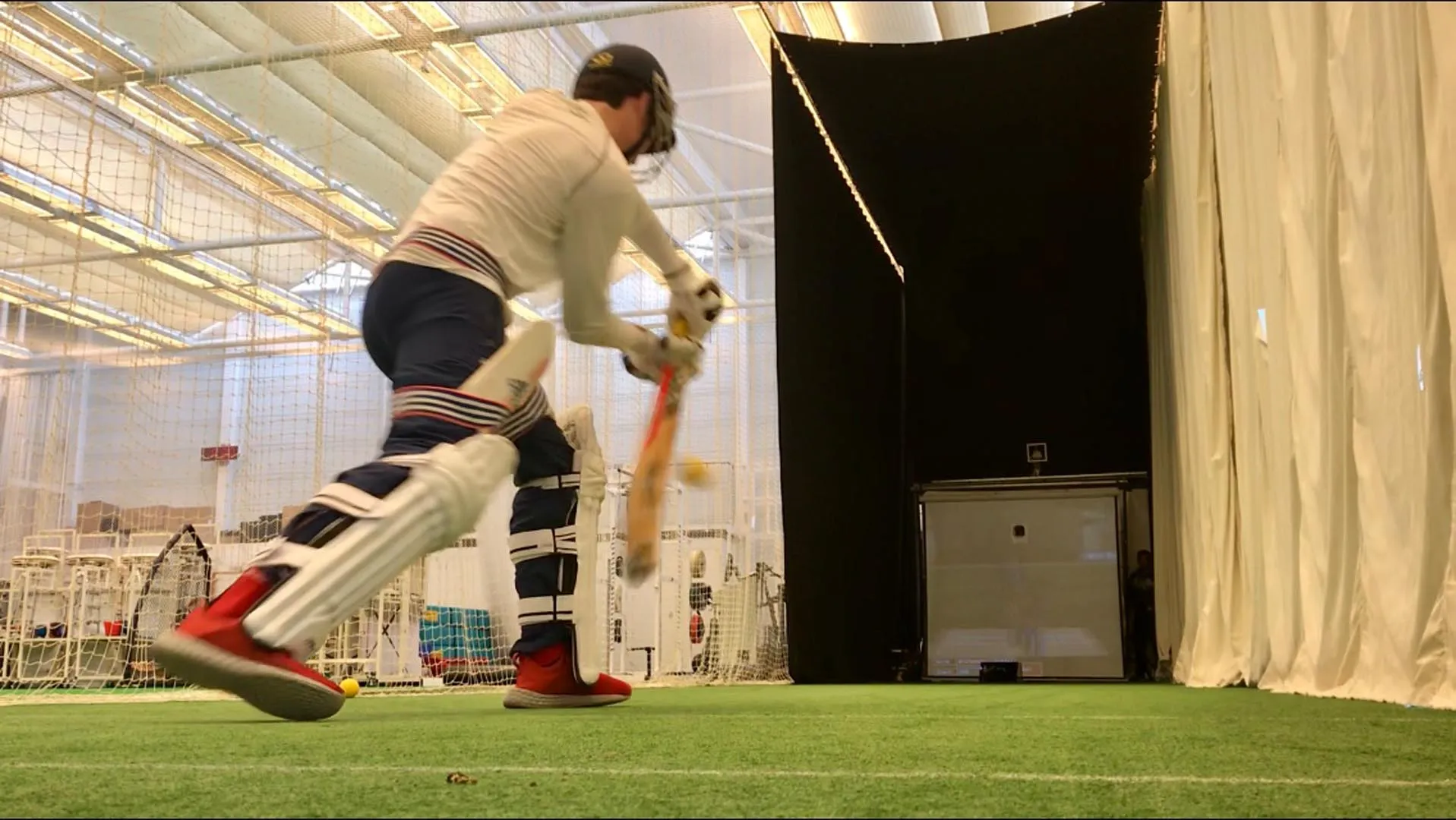
Wearable cricket tech is changing the way cricketers train, recover, and perform on the field, quietly becoming an essential part of the modern game. What once relied on a coach’s eye and a player’s instinct is now supported by smart devices that collect accurate, real-time data from every movement.
Cricket has always been physically demanding, even if it doesn’t always look that way from the stands. Long spells of bowling, quick singles, sudden sprints, and repetitive training sessions put immense strain on the body. Today, technology worn directly by players helps measure that strain and manage it better than ever before.
From international stars to young academy players, wearables are no longer a luxury. They are becoming a trusted companion that helps athletes understand their bodies, stay fit, and extend their careers.
The rise of technology on the cricket field
Technology in cricket is not new. Video analysis, ball-tracking, and performance data have been around for years. What’s different now is that data collection has moved closer to the player.
Instead of relying only on match footage or post-session reports, teams can now monitor players live during training and games. Small sensors placed inside clothing, straps, or shoes track movements with remarkable accuracy.
This shift allows coaches and medical staff to make informed decisions immediately, rather than reacting after problems appear.
What wearable cricket tech actually measures
Modern Wearable cricket tech focuses on collecting physical and physiological data that was once impossible to capture accurately. Metrics such as distance covered, sprint speed, acceleration, deceleration, and workload are now standard.
For bowlers, wearables track run-up intensity, delivery stride load, and total overs bowled across sessions. Batters benefit from insights into movement patterns, time spent at the crease, and fatigue levels.
Heart rate monitoring adds another layer, showing how hard a player’s body is working during different phases of training or match play.
A real-life example from professional cricket
At the professional level, wearable technology has already proven its value. Fast bowlers, in particular, are prone to injuries due to high workloads and repetitive stress.
Several international teams now use wearables to monitor bowling loads across formats. If a bowler’s data shows unusual spikes in intensity or fatigue, coaches can reduce workloads before injuries occur.
Players often credit this approach for longer careers and fewer breakdowns, especially in packed cricket calendars.
Training smarter, not just harder
Traditional cricket training often focused on volume. More nets, more overs, longer sessions. While dedication is important, it can also lead to burnout if not managed carefully.
With Wearable cricket tech, training becomes more precise. Coaches can design sessions based on actual physical output rather than assumptions.
If a batter has already covered significant distance and intensity in a session, additional drills can be adjusted. This personalized approach keeps training effective while protecting players from unnecessary strain.
Injury prevention and recovery insights
One of the biggest advantages of wearable technology is injury prevention. Small changes in movement patterns or workload can signal potential problems before pain appears.
For example, a bowler’s landing force may gradually increase due to fatigue or technical issues. Wearables detect this early, allowing corrective action through rest or technique adjustment.
Recovery data is equally important. Tracking sleep quality, heart rate variability, and recovery time helps players return to peak condition faster and safer.
How wearables help young and developing players
While elite teams were the first to adopt wearables, the technology is now accessible at grassroots and academy levels. This has a huge impact on player development.
Young cricketers often push themselves too hard, driven by ambition and competition. Wearables provide objective feedback, helping them understand limits and build sustainable habits.
Coaches can also identify promising athletes based on physical consistency and improvement trends, not just match-day performances.
The role of data interpretation
Collecting data is only half the story. The real value lies in interpretation. Raw numbers mean little without context.
Experienced analysts and sports scientists translate wearable data into actionable insights. They explain what the numbers mean in simple terms, helping players trust and use the information.
The best results come when technology and human expertise work together, rather than competing with each other.
Building trust between players and technology
Trust is a critical factor in the success of Wearable cricket tech. Players need to feel confident that data is used to support them, not judge them.
Transparent communication is key. When players understand how data helps improve performance and reduce injury risk, they are more likely to embrace it.
Many teams involve players directly in data discussions, empowering them to take ownership of their fitness and performance.
Impact on match preparation
Wearables don’t stop working once training ends. Match-day preparation also benefits from data-driven insights.
By analyzing previous match workloads, teams can fine-tune warm-ups and recovery routines. Players arrive on the field physically prepared without being overworked.
During tournaments, wearables help manage fatigue across consecutive matches, especially in shorter formats with limited recovery time.
Fan interest and media influence
Although wearables are primarily performance tools, they also influence how fans engage with the game. Broadcasters increasingly reference fitness data to explain player performance.
Viewers gain a deeper appreciation of the physical demands of cricket when they see workload statistics or recovery metrics. This storytelling element adds depth to match coverage.
As data visualization improves, fans may gain limited access to simplified insights, making the sport more transparent and engaging.
Ethical considerations and data privacy
With increased data collection comes responsibility. Player data is sensitive and must be handled ethically.
Reputable wearable providers and teams follow strict data protection standards. Players are informed about what data is collected and how it is used.
This ethical approach builds long-term trust and ensures technology enhances the game without compromising player welfare.
The future of wearable cricket tech
The future of Wearable cricket tech looks promising and innovative. Devices are becoming smaller, lighter, and more accurate, making them easier to integrate into daily routines.
Advancements in artificial intelligence will allow systems to predict injury risks and performance trends more accurately. Integration with analytics platforms will create a complete performance ecosystem.
As technology evolves, wearables will likely become as common as bats and pads, shaping how cricket is played at every level.
Balancing technology with cricketing instinct
Despite its benefits, technology should never overshadow the human element of cricket. Instinct, experience, and mental strength remain crucial.
The most successful teams use wearables as a guide, not a rulebook. Data supports decision-making but doesn’t replace intuition.
This balanced approach ensures cricket remains a game of skill and passion, enhanced by science rather than dominated by it.
Why wearable cricket tech is here to stay
Cricket continues to grow faster, fitter, and more competitive. Managing physical demands has become essential for success and longevity.
By offering real-time insights, injury prevention, and personalized training, Wearable cricket tech delivers clear value to players and teams alike.
As adoption spreads across formats and levels, wearables will play an increasingly important role in shaping the future of cricket performance and player care.
Read also :-
new zealand national cricket team vs australian men’s cricket team match scorecard
delhi capitals vs mumbai indians match scorecard
karachi kings vs islamabad united match scorecard
chennai super kings vs kolkata knight riders match scorecard
afghanistan national cricket team vs zimbabwe national cricket team match scorecard