
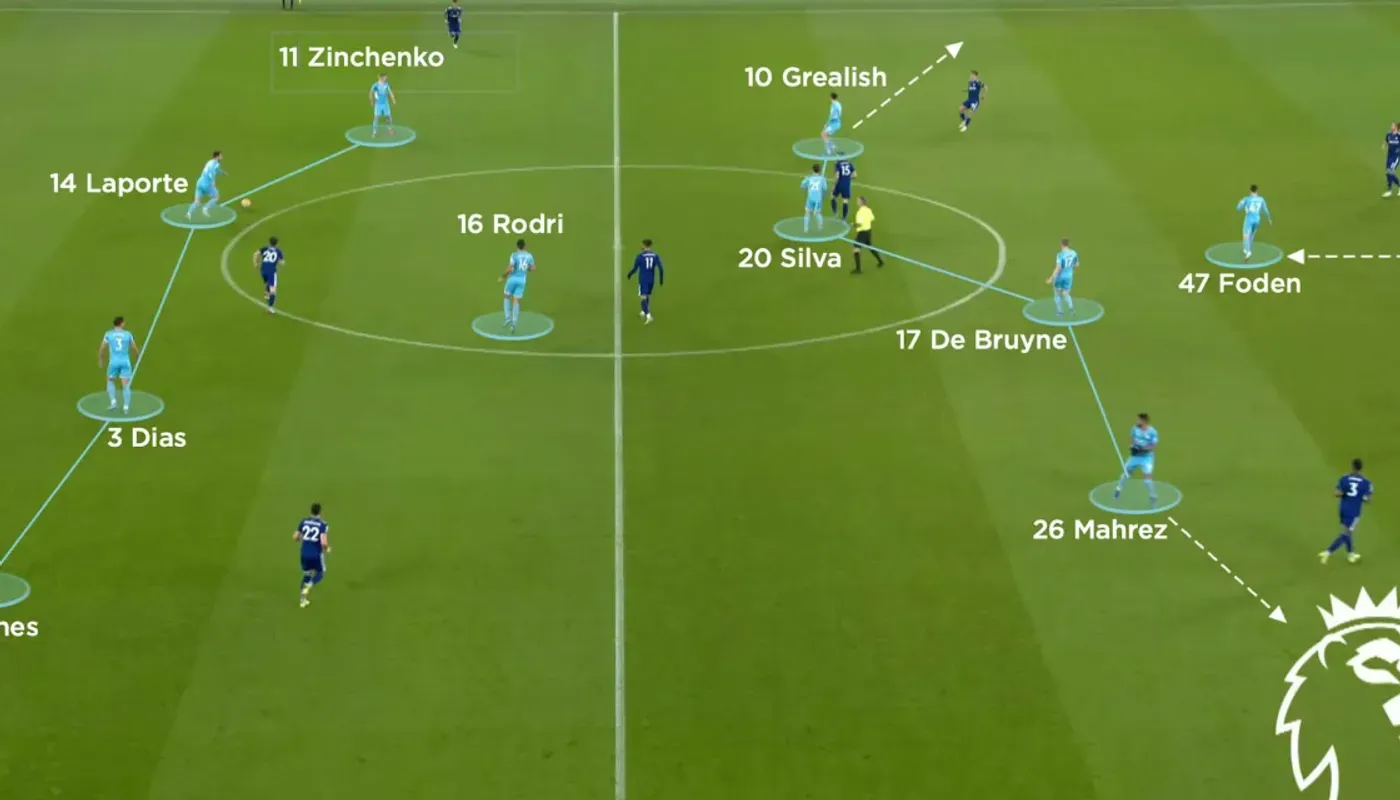
football tactics explained is the moment football stops looking like “22 players chasing a ball” and starts feeling like a chess match played at full speed. If you’ve ever watched a game and thought, “Why are they passing sideways so much?” or “Why is the striker not staying in the box?”—you’re already thinking tactically.
I remember sitting with my cousin during a big match. Every time the team passed back to the goalkeeper, he got frustrated and said, “They’re wasting time!” But a coach sitting nearby smiled and said, “No… they’re inviting pressure.” That one sentence completely changed how we watched football.
This guide will help you understand tactics without complicated language. You don’t need coaching badges. You just need curiosity—and by the end, you’ll notice patterns that most people miss.
Why Tactics Matter More Than Star Players
Great players can win moments. Great tactics can win entire matches.
You can have the best striker in the world, but if the midfield can’t supply him, he becomes invisible. You can have fast wingers, but if the fullbacks don’t overlap at the right time, the attack feels predictable.
Tactics are basically the team’s “plan.” It’s how they move together, press together, defend together, and attack with purpose. That’s why two teams with similar talent can look completely different depending on their tactical setup.
Understanding Formations Without Overthinking It
Most people start learning tactics through formations: 4-3-3, 4-4-2, 3-5-2, and so on. But here’s the secret—formations are only the starting shape.
A team may defend in one formation and attack in another. A 4-3-3 can become a 4-5-1 when defending. A 3-4-3 can become a 5-4-1 when under pressure.
So instead of memorizing numbers, try to focus on what the formation is trying to achieve. Is the team trying to control midfield? Protect the wings? Press high? Sit deep and counter?
Once you think that way, formations start making sense naturally.
The Two Main Styles: Possession vs Counter-Attack
Most tactical approaches fall somewhere between these two styles.
Possession-based teams want the ball. They pass patiently, move opponents around, and wait for gaps. They often look calm, even when the match feels intense.
Counter-attacking teams don’t mind defending deep. They stay compact, win the ball, and break forward quickly. Their attacks look sudden, sharp, and dangerous.
Neither style is “better.” The best teams know how to switch depending on the opponent, scoreline, and match situation.
What “Playing Out From the Back” Really Means
This is one of the most misunderstood ideas in modern football.
When a team plays out from the back, they’re not doing it to look fancy. They’re doing it to create space. By passing short near their own goal, they tempt the opponent to press high.
If the opponent presses, gaps open behind them. One clean pass can break the press and turn defense into attack instantly.
That’s why goalkeepers today need good passing. They’re not just shot-stoppers anymore. They’re part of the build-up.
football tactics explained Through Pressing: High, Mid, and Low Blocks
Pressing is how teams defend aggressively. Instead of waiting, they try to win the ball back quickly.
High press means pressing near the opponent’s goal. It’s intense and risky. If it works, you win the ball close to the box and create easy chances.
Mid-block pressing happens around the middle of the pitch. It’s balanced and often used by smart teams who want control without overcommitting.
Low block means defending deep near your own box. It’s compact and tough to break down. Many underdog teams use it to frustrate stronger opponents.
Pressing is not just “running a lot.” It’s organized movement. One player presses, others cover passing lanes. If the press isn’t coordinated, it gets destroyed.
The Magic of Compactness: Why Teams Look “Crowded”
Ever noticed how some teams make it feel like there’s no space anywhere?
That’s compactness. It means the team stays close together vertically and horizontally. The lines between defense, midfield, and attack remain tight.
Compact teams force opponents wide, where it’s harder to create dangerous chances. They also make it easier to win second balls and stop through passes.
This is why you’ll see defenders stepping up together, midfielders dropping together, and wingers tracking back in big games. It’s not boring—it’s discipline.
The Most Important Phase: Transitions
Transitions are the moments right after losing or winning the ball.
When you win the ball, you have a few seconds where the opponent is disorganized. That’s when counter-attacks happen.
When you lose the ball, your team is vulnerable. That’s when you either press immediately or drop quickly to protect space.
Some of the best goals in football happen during transitions. The defense is not set. The midfield is open. One pass can break everything.
If you want to understand why a team is dangerous, watch how they transition. That’s where matches are often decided.
Counter-Pressing: The “5-Second Rule” in Real Life
Counter-pressing is pressing immediately after losing the ball.
Instead of falling back, players swarm the ball carrier. The goal is to win it back before the opponent can breathe.
This tactic became famous because it makes teams look relentless. But it’s not just about effort—it’s about positioning. If your players are close enough when you lose the ball, counter-pressing works.
If they’re far apart, counter-pressing becomes chaos, and the opponent escapes easily.
That’s why teams with good structure look aggressive without looking reckless.
Roles That Change Everything: Fullbacks, Wingers, and Midfielders
Modern football roles are not fixed. Players constantly change positions depending on the phase of play.
Fullbacks now do more than defend. They overlap to provide width, or sometimes move inside like midfielders to control possession.
Wingers are not just crossers. Some stay wide, some cut inside to shoot, and some drop deep to help build play.
Midfielders are the real engines. A defensive midfielder protects the back line. A box-to-box midfielder connects attack and defense. A creative midfielder finds the final pass.
When you watch football, don’t just follow the ball. Watch how these roles shift. That’s where the tactical story is happening.
football tactics explained With “Inverted Fullbacks” (Made Simple)
This term sounds complicated, but the idea is easy.
An inverted fullback moves inside the pitch instead of staying wide. Imagine a right-back stepping into midfield during build-up.
Why do teams do this? Because it gives them extra midfield control. It helps them dominate possession and stop counter-attacks by having more players centrally.
It also allows wingers to stay high and wide, stretching the defense.
If you’ve ever wondered why a fullback is standing next to a midfielder, this is your answer.
The Difference Between Width and Depth (And Why Both Matter)
Width means using the wide areas of the pitch. Depth means pushing forward and stretching the opponent vertically.
A team with width forces defenders to spread out. That creates gaps inside for through balls and shots.
A team with depth forces defenders to drop back. That creates space in midfield for passes and control.
The best attacks combine both. They stretch you wide and deep at the same time. That’s when defending becomes exhausting.
When a team looks “unstoppable,” it’s usually because they’re stretching the opponent perfectly.
The Hidden Weapon: Third-Man Runs
This is one of the most beautiful tactical patterns in football.
A third-man run happens when Player A passes to Player B, but Player C makes the run to receive the next pass. The defender focuses on the passer and receiver, and the runner arrives unnoticed.
It’s like a surprise attack.
This is why some teams look like they’re “telepathic.” They’re not guessing—they’re trained to recognize these patterns.
Next time you see a quick one-two that becomes a goal, look for the third player. That’s often the real key.
Why Some Teams Cross a Lot (And Some Never Do)
Crossing is not outdated. It depends on the team’s strengths.
Teams with tall strikers and strong headers will cross more. Teams with fast attackers may prefer cutbacks and low passes across the box.
Some coaches avoid crosses because they’re lower probability. A random cross is easy to defend. But a planned cross, with runners attacking zones, becomes deadly.
Crossing also depends on how the opponent defends. If they block the middle, the wings become the only route.
So if a team keeps going wide, it might not be “lazy.” It might be the smartest available option.
Breaking Down Low Blocks Without Losing Your Mind
A low block is when a team defends deep with many players behind the ball. It’s frustrating for attackers and fans.
To break a low block, teams need patience and movement. Quick passing helps, but the real weapon is pulling defenders out of position.
This happens through rotations, overlaps, and switching play from one side to the other.
Sometimes you’ll see a team recycle possession again and again. It can look boring. But it’s often a test of discipline—waiting for one small mistake.
Set Pieces: The Tactical Battlefield Nobody Talks About Enough
Corners and free kicks are not “bonus moments.” They’re serious tactical weapons.
Some teams build entire strategies around set pieces. They design runs, blocks, screens, and near-post routines.
That’s why you’ll see defenders pointing, shouting, and marking tightly during corners. One small error can be a goal.
In tight matches, set pieces often decide everything. If open play is locked, a corner becomes the best chance.
So when a team wins five corners in a row, it’s pressure—real pressure.
The Psychology of Game Management
Tactics aren’t only about shapes and movement. They’re also about decisions.
When a team is leading, they may slow the tempo, keep possession, and reduce risk. When they’re losing, they take more risks, push fullbacks higher, and play direct.
This is why the same team can look “brilliant” in one half and “confused” in another. The match context changes everything.
Good teams manage the game like a story. They know when to attack fast, when to pause, and when to control emotions.
How to Watch a Match Like a Tactical Fan (Without Overcomplicating)
You don’t need to analyze every pass. Just focus on a few simple things.
Watch what happens when a team loses the ball. Do they press or drop? That tells you their identity.
Watch where the fullbacks go. Wide or inside? That tells you their build-up plan.
Watch the midfield spacing. Are they close together or spread out? That tells you if they want control or quick attacks.
And most importantly, watch the off-ball runs. Goals often start with movement you didn’t notice.
Once you do this a few times, you’ll feel like the match is speaking a new language—and you finally understand it.
Why Understanding Tactics Makes Football More Fun
Some people think tactics ruin the fun. Honestly, it does the opposite.
When you understand tactics, you stop blaming players for everything. You start seeing the bigger picture.
You notice when a striker is isolated. You notice when midfield is overloaded. You notice when a team is being forced wide intentionally.
You also appreciate coaching more. You realize that winning isn’t always about “trying harder.” It’s about solving problems on the pitch.
And that’s the beauty of football—it’s emotional, unpredictable, and deeply intelligent at the same time.
Read also:
real madrid – girona futbol club : composition
hyderabad fc vs jamshedpur fc player ratings
real madrid vs juventus fc lineups
atalanta bc vs bologna fc lineups