
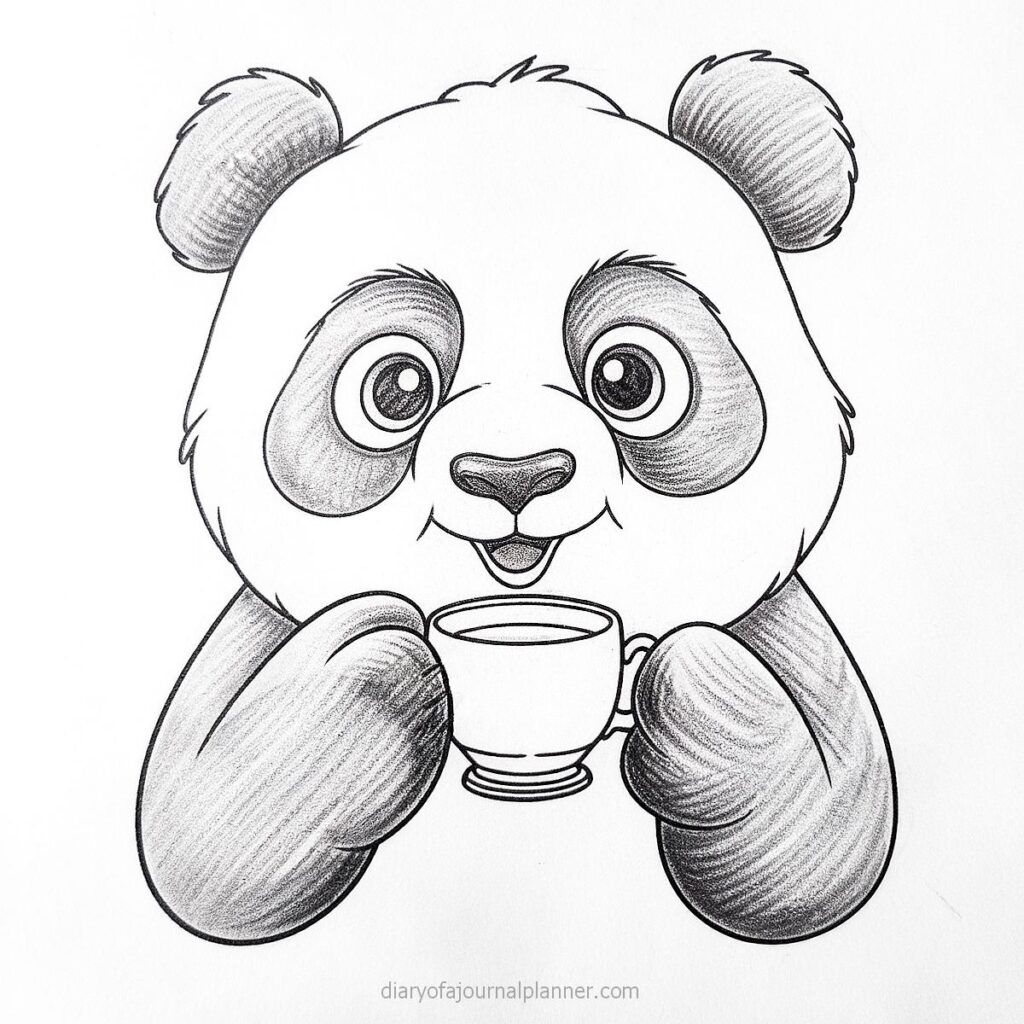
Cartoon drawing ideas often start with a simple doodle on a notebook, a quick sketch during a boring class, or a playful character imagined during childhood. Many artists, both beginners and professionals, discover their passion for drawing through cartoons because they are expressive, flexible, and incredibly fun to create.
Cartoon art has always been one of the most approachable forms of illustration. Unlike hyper-realistic drawing styles, cartoons allow artists to exaggerate shapes, emotions, and personalities. A big smile can stretch across half the face, and eyes can grow larger than life to express excitement or surprise.
The beauty of cartoons lies in creativity rather than perfection. Even a simple stick figure can become memorable when given personality. If you’ve ever wanted to explore drawing but didn’t know where to start, exploring different cartoon concepts is one of the best ways to develop artistic confidence.
In this guide, we’ll explore inspiring approaches, storytelling techniques, and creative exercises that can help you develop engaging cartoon characters and scenes while improving your drawing skills.
Why Cartoon Drawing Is Perfect for Beginners
Cartoon drawing is one of the most beginner-friendly art styles available. Unlike classical drawing styles that focus heavily on anatomy and realistic proportions, cartoons allow you to bend the rules.
Artists can experiment with shapes, expressions, and movement freely. A character’s head can be oversized, their arms stretchy, or their body simplified into geometric forms.
This flexibility makes it easier to learn fundamental drawing skills like composition, expression, and storytelling without worrying about perfection.
Another reason cartoon art is popular among beginners is that it helps build creative confidence. When artists experiment with different Cartoon drawing ideas, they begin to develop their own style naturally.
Every famous cartoonist once started with simple doodles. The process of turning those small sketches into memorable characters is what makes cartoon drawing exciting.
Finding Inspiration for Cartoon Characters
One of the biggest challenges artists face is coming up with original ideas. Inspiration for cartoons can come from everyday life.
Think about the people you see daily. A friend with a contagious laugh, a teacher who always raises an eyebrow when thinking, or a neighbor who walks their dog every evening can become the basis of a fun cartoon character.
Observing animals is another excellent source of inspiration. A sleepy cat, a playful puppy, or even a clumsy penguin can inspire imaginative sketches.
Artists often exaggerate small traits to make characters more memorable. A character who loves food might have a round belly and constantly carry snacks. A nervous character might have big eyes and shaky movements.
These exaggerations transform ordinary observations into entertaining cartoons.
Simple Cartoon Drawing Ideas to Start Practicing
When beginning your creative journey, it’s helpful to start with easy concepts that allow you to focus on expression and personality.
Characters based on food items are a fun place to start. Imagine a cheerful donut with sprinkles for hair or a sleepy coffee cup with droopy eyes. Turning everyday objects into characters encourages creativity.
Another engaging concept is animal cartoons with human traits. A turtle wearing glasses and reading books, or a rabbit who loves skateboarding, instantly adds humor and personality to your sketches.
Cartoon superheroes are also popular practice subjects. Instead of traditional heroic designs, you can create funny or unexpected heroes such as a shy superhero who hides behind their cape.
Exploring playful Cartoon drawing ideas like these can help artists discover their imagination and create unique characters.
How Shapes Help Create Memorable Cartoons
One secret many cartoonists use is building characters from basic shapes. Circles, squares, and triangles can form the foundation of nearly any cartoon design.
Round shapes often represent friendly and soft personalities. Characters designed with circles usually appear approachable and cheerful.
Square shapes can suggest strength, stability, or stubbornness. Many strong or determined characters are built using square forms.
Triangle shapes often indicate energy, mischief, or unpredictability. Villains or energetic characters frequently include sharp angles in their design.
When artists experiment with these shape combinations, they naturally generate new Cartoon drawing ideas without feeling stuck.
Using Facial Expressions to Bring Cartoons to Life
A cartoon character’s face is one of the most powerful storytelling tools in illustration. Small changes in eyebrows, mouth shape, or eye size can dramatically change a character’s emotion.
A wide smile with raised cheeks expresses joy. Drooping eyelids can show boredom or tiredness. Raised eyebrows can signal surprise or curiosity.
Many cartoon artists practice drawing the same character with multiple expressions. This exercise helps build emotional range and improves storytelling skills.
For example, imagine a cartoon panda experiencing different emotions throughout a day. In the morning, it might look sleepy. During lunch, it could appear excited while eating bamboo. By evening, it may look relaxed and happy.
These small emotional changes make characters feel alive.
Storytelling Through Cartoon Scenes
Cartoon drawing becomes even more exciting when artists place characters into small stories.
Instead of drawing a single character, imagine a short scene. A duck trying to fly with oversized wings or a robot attempting to cook breakfast can instantly create humorous moments.
Scenes allow artists to explore interaction between characters and their environment. Even a simple setting like a park or kitchen can add depth to a drawing.
Story-based Cartoon drawing ideas also help artists develop narrative skills, which are valuable in comics, animation, and illustration.
Developing Your Own Cartoon Style
Every artist eventually develops a personal drawing style. This style emerges naturally through practice and experimentation.
Some artists prefer bold outlines and exaggerated features. Others enjoy softer shapes and expressive eyes.
The key is to explore different techniques rather than copying one specific approach. Try experimenting with thicker lines, unique color combinations, or simplified shapes.
Over time, patterns will appear in your drawings. Those patterns often become the foundation of your signature style.
Many professional illustrators emphasize that style should evolve gradually rather than being forced.
Observational Practice for Better Cartoon Ideas
Even though cartoons are imaginative, observation remains an important skill for artists.
Watching how people move, how animals behave, or how objects interact with light can provide valuable inspiration.
Sketching in public places like parks or cafés can help artists capture interesting gestures and personalities. These quick sketches can later transform into playful cartoon characters.
For example, a person walking quickly with long strides could inspire a cartoon giraffe with exaggerated legs. A sleepy commuter on a bus could inspire a drowsy cartoon bear.
Observation turns ordinary moments into creative Cartoon drawing ideas.
The Role of Humor in Cartoon Art
Humor is often at the heart of cartoon illustration. Many cartoons succeed because they make people smile or laugh.
Visual humor can appear through unexpected situations. A fish riding a bicycle or a cat trying to act like a lion instantly creates a playful scenario.
Exaggeration is another powerful humor technique. Oversized glasses, giant hairstyles, or exaggerated body movements add comedic charm.
Artists who explore humorous Cartoon drawing ideas often discover that their drawings connect more strongly with audiences.
Daily Sketching to Improve Creativity
Consistency plays a major role in improving drawing skills. Many artists keep a small sketchbook where they doodle new characters or ideas every day.
Daily sketches do not need to be perfect or polished. The purpose is simply to explore creativity and practice visual storytelling.
Over time, these sketches form a library of ideas. A random doodle might eventually evolve into a fully developed cartoon character.
This habit also reduces creative pressure because artists focus on exploration rather than perfection.
Digital Tools for Cartoon Drawing
Modern artists often combine traditional sketching with digital tools. Tablets and drawing software allow illustrators to refine sketches, experiment with colors, and create polished artwork.
Digital platforms also provide opportunities to share cartoons with a global audience. Many artists build careers by posting their illustrations on social media or publishing webcomics.
However, the foundation of great cartoon art remains strong drawing fundamentals and creativity. Technology enhances the process but does not replace imagination.
Cartoon Drawing Ideas for Creative Challenges
Creative challenges are a great way to push artistic boundaries. Some artists set themes for themselves, such as drawing a new animal character every day for a month.
Others challenge themselves to redesign common objects as cartoon characters. A lamp, backpack, or pair of shoes can all become animated personalities with faces and emotions.
These exercises encourage artists to think outside the box and discover new Cartoon drawing ideas that they might not have considered otherwise.
Learning from Experienced Cartoonists
Studying the work of experienced artists can also inspire growth. By observing how professionals design characters and structure scenes, beginners can learn valuable techniques.
Notice how certain characters have simple yet distinctive silhouettes. Even without details, their shapes make them recognizable.
Experienced cartoonists also focus on clear expressions and storytelling. Their characters often communicate emotions instantly.
Learning from these techniques helps artists strengthen their own creative process.
Practicing Movement and Action
Cartoon characters often feel dynamic because they capture motion. A running character might have exaggerated leg movement, while a jumping character may appear suspended in mid-air.
Practicing action poses adds energy to drawings. Imagine a cartoon dog chasing a ball or a superhero leaping across buildings.
Artists often draw quick gesture sketches to capture movement. These loose sketches emphasize action rather than detail.
Incorporating motion into Cartoon drawing ideas makes illustrations more exciting and engaging.
Creating Memorable Cartoon Personalities
A strong cartoon character is not defined only by appearance. Personality plays an equally important role.
Think about what makes the character unique. Are they brave, shy, clumsy, or curious? These personality traits influence posture, facial expressions, and actions.
For example, a confident character might stand tall with a proud smile. A shy character might look downward with small movements.
Developing personality helps audiences connect with cartoon characters emotionally.
Turning Doodles into Finished Cartoons
Many successful cartoons begin as simple doodles. Artists often sketch quickly without overthinking details.
Later, they refine the most promising sketches by adding clearer lines, expressions, and colors.
This process allows creativity to flow freely while still producing polished artwork.
The transformation from rough doodle to finished illustration demonstrates how imagination evolves through practice.
The Creative Freedom of Cartoon Art
Cartoon art offers limitless creative possibilities. Artists can invent entire worlds filled with quirky characters and imaginative stories.
Unlike many artistic styles that demand strict realism, cartoons celebrate exaggeration and personality.
This freedom makes cartoon drawing one of the most enjoyable forms of artistic expression. Whether someone is sketching casually for fun or pursuing illustration professionally, exploring Cartoon drawing ideas can unlock endless creativity.
With consistent practice, observation, and playful experimentation, artists can transform simple sketches into vibrant characters that capture imagination and bring joy to audiences everywhere.
Read also:
3474915137
5854847673
9295022100
5864987122
+1 (844) 755-3258