
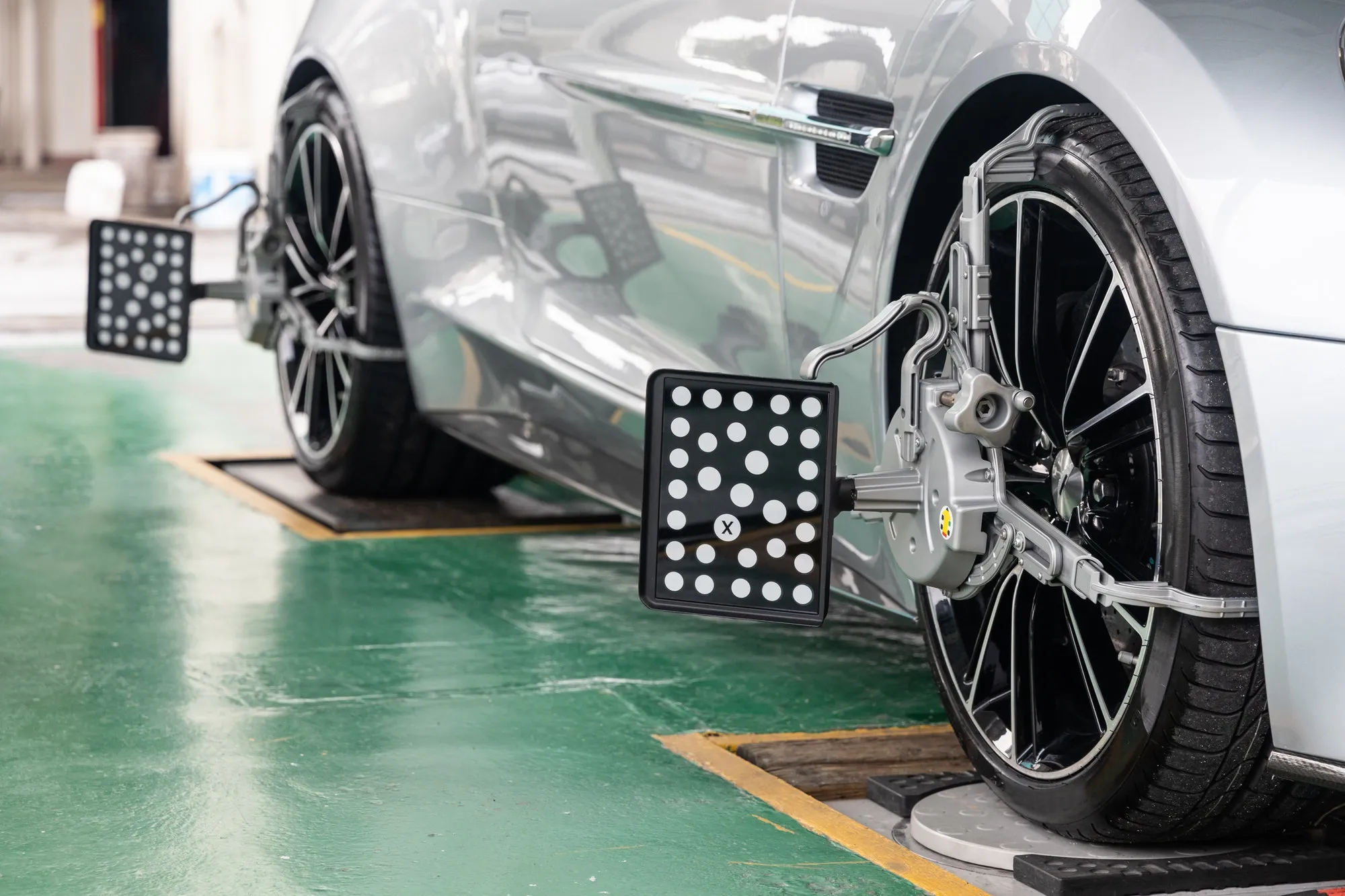
Wheel alignment service is one of those car maintenance tasks that many drivers ignore until something feels seriously wrong. The steering wheel starts pulling to one side, tires wear out faster than expected, or fuel efficiency quietly drops. These issues don’t appear overnight, but they all trace back to a misalignment that slowly affects how your car behaves on the road.
I once met a daily commuter who blamed traffic and rising fuel prices for his monthly expenses. After a routine check, he discovered his vehicle had been running with poor alignment for nearly a year. A simple correction changed his driving experience completely, from smoother handling to noticeable fuel savings. Stories like this are common, and they explain why alignment is not optional care but essential maintenance.
This guide explores what alignment really means, how it affects your car’s safety and performance, and why timely attention can save money in the long run. Everything here is written with real-world experience, expert insight, and trust-based automotive knowledge in mind.
Table of Contents
ToggleUnderstanding What Wheel Alignment Really Means
Wheel alignment refers to adjusting the angles of your vehicle’s wheels so they match the manufacturer’s specifications. These angles determine how tires contact the road and how your car responds when you steer, accelerate, or brake.
When alignment is correct, all four wheels work together as a single system. The car tracks straight, tires wear evenly, and steering feels predictable. When alignment drifts, even slightly, it can disrupt this balance and lead to long-term mechanical issues.
Most alignment problems develop gradually. Hitting potholes, driving on rough roads, or even everyday curb contact can knock wheels out of position. Over time, the misalignment becomes noticeable through subtle signs many drivers overlook.
Why a Wheel Alignment Service Is Critical for Safety
Safety is the most important reason to schedule a wheel alignment service, even though it’s often associated with comfort or tire wear. Misaligned wheels affect how your vehicle handles sudden situations like emergency braking or quick lane changes.
When wheels don’t point in the right direction, the car may respond slower than expected. This delay can be dangerous at highway speeds or in wet conditions. Proper alignment ensures that steering input translates directly to wheel movement, keeping the vehicle stable and predictable.
Professional mechanics often point out that alignment plays a major role in maintaining traction. Tires that meet the road evenly offer better grip, which is essential for avoiding skids and maintaining control during sharp turns.
How Alignment Impacts Tire Life and Fuel Efficiency
Tires are one of the most expensive wear items on a vehicle, and alignment directly affects how long they last. When wheels are misaligned, tires scrub against the road instead of rolling smoothly. This friction leads to uneven tread wear.
Many drivers replace tires prematurely without realizing alignment was the real problem. A properly aligned vehicle distributes weight evenly across the tire surface, allowing you to use the full lifespan of the rubber.
Fuel efficiency also takes a hit when alignment is off. Misaligned wheels create extra rolling resistance, forcing the engine to work harder. Even a small alignment issue can reduce mileage over time, adding up to significant fuel costs annually.
Common Signs You Need a Wheel Alignment Service
One of the challenges with alignment issues is that symptoms often appear gradually. Drivers adapt to the changes without realizing something is wrong.
A steering wheel that pulls left or right while driving straight is one of the clearest indicators. Uneven or rapid tire wear is another warning sign, especially when one side of the tire wears faster than the other.
Some drivers notice a vibration in the steering wheel or a crooked steering position even when the car is moving straight. These signs should not be ignored, as they often indicate alignment problems that worsen with time.
The Science Behind Alignment Angles
Alignment is based on three primary angles that technicians adjust during service. These angles determine how wheels are positioned relative to the vehicle and the road surface.
Camber controls how much the wheel tilts inward or outward when viewed from the front. Toe refers to whether the wheels point inward or outward when viewed from above. Caster affects steering stability and how well the wheel returns to center after a turn.
Each vehicle has specific alignment specifications designed by engineers to balance handling, comfort, and tire wear. A professional wheel alignment service ensures these angles are adjusted precisely, not estimated or guessed.
Professional vs DIY Alignment Adjustments
Some car owners attempt basic alignment fixes at home, especially after suspension upgrades or tire changes. While minor adjustments may seem possible, modern vehicles require precision tools and digital measurement systems.
Professional alignment machines use laser or camera-based technology to measure wheel angles down to fractions of a degree. This level of accuracy is impossible to achieve with manual methods.
Experienced technicians also understand how alignment interacts with suspension components. If parts like ball joints or tie rods are worn, alignment alone won’t solve the issue. Identifying these problems requires training and hands-on expertise.
How Often Should Alignment Be Checked
There is no universal schedule for alignment checks, but most experts recommend inspecting alignment at least once a year. It should also be checked whenever you install new tires or notice changes in handling.
Driving conditions play a major role. Vehicles driven on rough roads, construction zones, or uneven terrain may require more frequent checks. Even careful drivers can experience misalignment due to unavoidable road hazards.
Regular inspections prevent small issues from becoming expensive repairs. A routine alignment check often costs far less than replacing prematurely worn tires or suspension parts.
The Real Cost of Ignoring Alignment Problems
Ignoring alignment issues can lead to a chain reaction of mechanical wear. Tires wear unevenly, suspension components strain, and steering systems degrade faster than designed.
Over time, these problems increase maintenance costs and reduce the vehicle’s resale value. Buyers and inspectors often notice uneven tire wear or steering issues during evaluations.
In contrast, investing in a wheel alignment service protects multiple systems at once. It’s one of the few maintenance tasks that delivers immediate improvements in comfort, safety, and efficiency.
Wheel Alignment Service and Modern Vehicles
Modern cars are more sensitive to alignment than older models. Advanced suspension designs, electronic steering systems, and driver-assist features all rely on precise wheel positioning.
Features like lane-keeping assist and adaptive cruise control depend on accurate steering input. Misalignment can interfere with how these systems interpret road conditions, leading to inconsistent performance.
Manufacturers design vehicles with alignment tolerances that balance ride quality and handling. Professional service ensures these standards are maintained, preserving both performance and warranty compliance.
Choosing a Trustworthy Alignment Specialist
Not all service centers offer the same level of expertise. A reliable alignment specialist uses modern equipment, follows manufacturer specifications, and provides transparent explanations of the work performed.
Experienced technicians often take the time to show before-and-after measurements, helping customers understand the value of the service. This transparency builds trust and confidence in the repair process.
Look for workshops with certified technicians and a reputation for accuracy rather than speed. Proper alignment is a precise task that rewards patience and technical skill.
Real-World Driving Experience After Alignment
Many drivers describe alignment correction as feeling like they are driving a new car. Steering becomes lighter, straight-line stability improves, and road noise may even decrease.
One long-distance driver shared how alignment transformed his highway trips. Previously, he constantly corrected the steering wheel. After service, the car tracked straight effortlessly, reducing fatigue during long drives.
These improvements highlight how alignment affects not just the vehicle, but also the driver’s comfort and confidence behind the wheel.
Alignment and Long-Term Vehicle Ownership
For drivers who plan to keep their vehicles for years, alignment is an essential part of long-term care. Proper alignment reduces stress on suspension components, helping them last closer to their designed lifespan.
Consistent maintenance records that include alignment services also enhance resale value. Buyers appreciate vehicles that show evidence of responsible ownership and preventive care.
A well-maintained alignment supports smoother driving, lower operating costs, and a more enjoyable ownership experience overall.
Why Wheel Alignment Service Is an EEAT-Backed Essential
Automotive professionals, engineers, and safety experts consistently emphasize the importance of alignment. Their experience confirms that alignment affects nearly every aspect of vehicle performance.
From a trust perspective, alignment services are grounded in measurable data and manufacturer guidelines. There is no guesswork involved when done correctly, only precision and expertise.
This blend of expert knowledge, real-world application, and proven results makes wheel alignment service one of the most credible and impactful maintenance practices available to drivers today.
Final Perspective Without Finality
Alignment is not about fixing a problem once and forgetting it. It is part of an ongoing relationship between the driver, the vehicle, and the road conditions they face every day.
Roads change, vehicles age, and driving habits evolve. Alignment ensures that your car adapts to these changes safely and efficiently, mile after mile.
When drivers understand alignment and treat it as essential care rather than optional service, they unlock better performance, improved safety, and greater peace of mind every time they turn the key.
Read also:
6145035196
nasik fatafat nasik fatafat
नासिक फटाफट
877-870-8046