
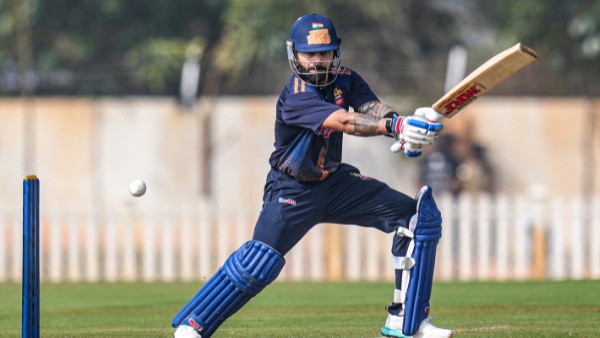
Cricket player performance has become the most discussed aspect of modern cricket, as fans, analysts, and selectors closely watch how players deliver under pressure. In today’s game, performance is no longer judged by runs or wickets alone. It reflects consistency, adaptability, mental strength, and impact in crucial moments.
Every innings played by Virat Kohli, every spell bowled by Jasprit Bumrah, and every match-winning knock by Ben Stokes tells a story of preparation meeting opportunity. These stories shape how cricket lovers understand greatness in the sport.
Understanding cricket player performance beyond statistics
Cricket player performance goes far deeper than scorecards. While numbers provide clarity, they often fail to capture the context of a match situation. A gritty fifty on a difficult pitch can outweigh a flashy century on a flat surface.
For example, Cheteshwar Pujara has built his reputation not on strike rates but on resilience. His ability to occupy the crease and wear down bowlers highlights how performance is sometimes about patience and purpose rather than flair.
Role of technique in cricket player performance
Solid technique remains the foundation of consistent cricket player performance. Players with sound basics adapt more easily to different conditions and formats. Footwork, balance, and shot selection directly influence outcomes at the highest level.
Batsmen like Kane Williamson showcase textbook technique that allows them to succeed across continents. Similarly, bowlers such as James Anderson rely on precision and control, proving that mastery of basics never goes out of style.
Mental strength shaping cricket player performance
Mental toughness plays a decisive role in cricket player performance, especially in high-pressure situations. The ability to stay calm during run chases or defend low totals separates good players from great ones.
MS Dhoni is often remembered for his calm demeanor in tense finishes. His leadership and clarity of thought elevated not only his own performance but also that of his teammates during critical moments.
Fitness and its impact on cricket player performance
Modern cricket demands peak physical fitness to sustain high levels of performance. With packed schedules and multiple formats, players must maintain stamina, agility, and strength throughout the year.
Fast bowlers like Pat Cummins exemplify how fitness management enhances longevity and effectiveness. Proper recovery routines and conditioning programs ensure players perform consistently without risking injuries.
Adaptability across formats and cricket player performance
Adaptability has become a key marker of elite cricket player performance. Players are expected to switch seamlessly between Tests, ODIs, and T20Is, each requiring a different approach.
Joe Root demonstrates adaptability through his ability to anchor innings in Tests while accelerating in limited-overs cricket. This versatility increases a player’s value and strengthens team balance.
Conditions and venues influencing cricket player performance
Playing conditions heavily influence cricket player performance. Factors such as pitch behavior, weather, and crowd atmosphere can alter the course of a match.
Subcontinental pitches often favor spin, benefiting players like Ravichandran Ashwin, while seaming conditions in England suit swing bowlers. Players who read conditions quickly gain a significant edge.
Team role and cricket player performance
A player’s role within the team directly affects cricket player performance. Openers, middle-order batsmen, finishers, and all-rounders face different expectations and pressures.
Hardik Pandya, for instance, thrives as a finisher, delivering explosive performances in limited overs. His success highlights how clarity of role boosts confidence and execution.
Pressure situations and defining cricket player performance
Pressure moments often define cricket player performance more than routine games. Finals, deciders, and close chases test composure and decision-making.
The unforgettable World Cup final innings by Ben Stokes showcased how performance under pressure can immortalize a player’s career. Such moments remain etched in cricket history.
Coaching influence on cricket player performance
Coaches play a vital role in shaping cricket player performance through guidance, analysis, and motivation. Modern coaching emphasizes data-driven insights alongside traditional mentorship.
Under effective coaching systems, players refine techniques, improve decision-making, and build confidence. This holistic approach enhances individual output and team success.
Technology and data analysis in cricket player performance
Technology has revolutionized the evaluation of cricket player performance. Video analysis, biomechanics, and advanced metrics provide detailed insights into strengths and weaknesses.
Teams now use data to optimize batting orders, bowling plans, and field placements. This analytical approach ensures players are better prepared for specific opponents and conditions.
Consistency as a measure of cricket player performance
Consistency remains one of the most valued traits in cricket player performance. Delivering match-winning contributions regularly reflects discipline and reliability.
Players like Babar Azam are admired for maintaining high standards across series and formats. Their dependable performances provide stability and confidence to the team.
Impact of leadership on cricket player performance
Leadership influences not only team dynamics but also individual cricket player performance. Captains set the tone through strategies, communication, and trust in players.
Under inspiring leadership, players often exceed expectations. A supportive environment encourages risk-taking and creativity, enhancing overall performance levels.
Crowd influence and cricket player performance
Crowd support can elevate cricket player performance, especially during home matches. The energy from fans boosts morale and intensity on the field.
Conversely, hostile environments test mental resilience. Players who thrive under such conditions earn respect and recognition for their composure and courage.
Career-defining phases in cricket player performance
Every cricketer experiences defining phases that shape their performance trajectory. Breakthrough seasons, comebacks from injury, or form slumps all contribute to growth.
Rohit Sharma’s transformation into a successful opener stands as a testament to adaptability and perseverance. Such phases highlight the evolving nature of performance.
Global benchmarks for cricket player performance
International rankings and awards provide benchmarks for cricket player performance. While not definitive, they offer recognition and motivation for players worldwide.
Achieving milestones like centuries, five-wicket hauls, or Player of the Match awards reflects excellence and reinforces a player’s standing in the cricketing community.
Evolution of expectations in cricket player performance
Expectations around cricket player performance continue to evolve with the game. Fans now expect athletic fielding, quick scoring, and tactical awareness alongside traditional skills.
This evolution challenges players to expand their skill sets continually, ensuring the sport remains dynamic and competitive across generations.
Read also:
pakistan national cricket team vs new zealand national cricket team match scorecard
pakistan national cricket team vs west indies cricket team match scorecard
railways cricket team vs delhi cricket team match scorecard
mumbai cricket team vs jammu and kashmir cricket team match scorecard